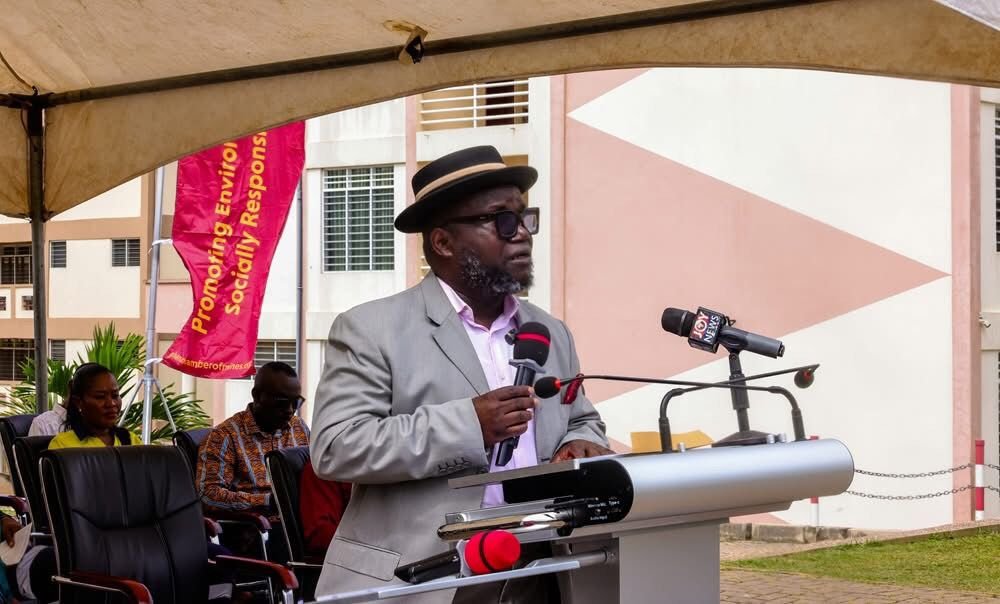
Ing. Kenneth Ashigbey, the Convener of the Media Coalition Against Galamsey and the CEO of Ghana Chamber of Mines, has stepped forward to acknowledge the operational bravery of the state’s task forces while simultaneously issuing a stern warning that the current cycle of “arrest and release” is insufficient.
He maintains that the state’s inability to transition from physical apprehensions to successful courtroom convictions creates a vacuum of accountability, allowing the environmental “terrorism” of galamsey to persist despite frequent frontline victories.
“How many prosecutions have we seen? How many convictions have we had? People are arrested, granted bail, and we don’t know where the cases end up.”
Ing. Kenneth Ashigbey
Expanding on this position, Ashigbey’s critique comes at a pivotal moment when the National Anti-Illegal Mining Operations Secretariat (NAIMOS) and the Forestry Commission’s Rapid Response Team have recorded impressive figures, including the recent arrest of 31 suspects in the Apampama Forest Reserve.
Data from 2025 indicates that the Forestry Commission has successfully reclaimed nine out of eleven severely degraded “red zone” reserves; however, the legal system has struggled to keep pace, with prosecution rates often hovering below 10% of total arrests.
This bottleneck in the judiciary, characterized by frequent bail grants to alleged kingpins and the mysterious disappearance of case files, suggests a systemic failure that threatens to render the physical risks taken by security personnel futile.
Paradox of Operational Success and Judicial Inertia
Under the current administrative framework, the establishment of NAIMOS was intended to centralize and sharpen the spear of enforcement.
From an extractive expert’s perspective, the successes achieved in 2025 are quantifiable; the Forestry Commission’s Chief Executive, Dr. Hugh Brown, recently reported that over 450 illegal miners were apprehended within the year, alongside the confiscation of heavy-duty equipment.
These operations have effectively categorized reserves into “orange,” “yellow,” and “green” zones, providing a clear roadmap for reclamation.
However, this “operational progress” is frequently undermined by what Ashigbey describes as a “lack of consistent prosecutions.”
When suspects, particularly well-funded financiers are returned to the streets shortly after their televised arrests, the deterrent effect of the law is fundamentally compromised.
Institutional Barriers to Effective Conviction

The “galamsey menace” is protected by a shield of political patronage and logistical delays. In 2024, out of 628 arrests, a staggering mere 11 reached a final conclusion in the courts.
This slow pace is often attributed to the “alarming low conclusion rate” of galamsey-related cases, where suspects use false identities or benefit from the “interference of influential individuals,” including local chiefs and political actors.
Ashigbey warns that we risk a repeat of “Operation Vanguard,” where high arrest statistics did not translate into environmental protection because the judicial “logical conclusion” was never reached.
The absence of specialized mining courts, though proposed by the Ministry of the Interior and supported by Chief Justice, remains a critical gap in the enforcement chain.
A Call for Judicial Accountability and Systemic Reform
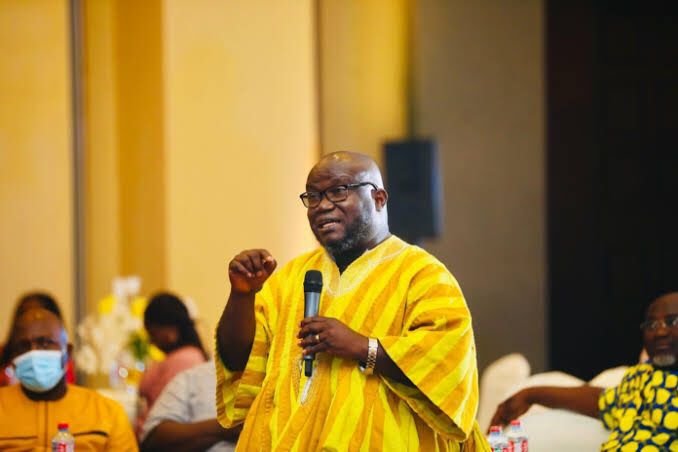
To win this protracted war against environmental degradation, the Media Coalition Against Galamsey is calling for a paradigm shift where the Judiciary is held to the same standard of performance as the security task forces.
Ing. Ashigbey’s appeal to the Chief Justice is not merely for more trials, but for a “close monitoring” of case trajectories to prevent the “impunity” that arises when legal proceedings are allowed to stall indefinitely.
He advocates for the “regular updates of the progress of these cases” to be made public, ensuring that the citizen-spectator becomes a witness to justice.
Without this transparency, the sophisticated tracking of excavators and the heroic efforts of forest rangers will remain a temporary bandage on a wound that requires the surgical precision of the law to heal.
READ ALSO: SLTF Completes 2024/2025 No Fees Stress Payments for Over 152,000 Students