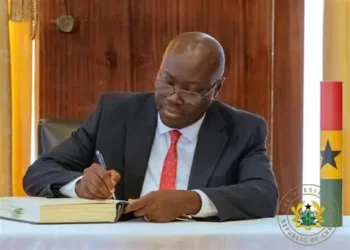
The President of Ghana, H.E. John Dramani Mahama, vaunts the resilient spirit of the Ghanaian people, which has translated into an economic recovery in a year, despite critics’ better judgment.
While delivering his New Year’s message to Ghanaians and the world, President Mahama attributed Ghana’s short-term economic recovery to prudent management and tough structural reforms.
“We were told that the recovery would take a generation, but I knew something our critics did not know. I knew the resilient spirit of the Ghanaian people.
“We’ve accomplished a lot together in the past 12 months, through prudent management and difficult but necessary reforms.”
President John Dramani Mahama
Prez Mahama’s Prudent Management and Reforms in 2025
President Mahama, after being sworn in on January 7, 2025, outlined an eight-pillar Economic Reset Plan to achieve economic recovery within a short period. These include completing the IMF program with discipline, reopening domestic and international capital markets, strengthening sovereign funds and local government financing, clearing verified arrears and rationalizing public investments, accelerating public financial management reforms, revitalizing exports through Ghana Exim Bank, building Ghana into a regional hub for trade and investment, and resuming infrastructure development to stimulate growth.
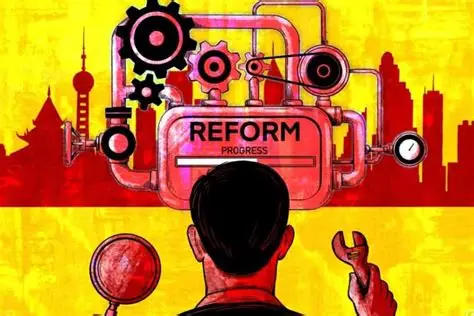
The President’s key reforms focused on fiscal discipline, tax overhauls, and structural changes, resulting in reported improvements in inflation and currency stability by the end of 2025.
The actions of the Mahama-led administration in 2025 were guided by an “Economic Reset Agenda” aimed at stabilizing the economy and fostering sustainable growth.
The government, to ensure fiscal discipline and responsibility, slashed the number of ministries from 30 to 23 and capped the number of ministers at 60 to reduce government size and wasteful expenditure. To curb waste and corruption in governance, strict public financial management reforms were initiated, including reactivating the Treasury Single Account (TSA).


To initiate the tax and levy reforms, Parliament approved significant tax amendments within 2025, aimed at easing financial burdens and boosting economic activity. Some of the repealed taxes and levies include the Electronic Transfer Levy (E-Levy), the Emissions Levy, a 10% withholding tax on betting winnings and gaming, and the 1.5% withholding tax on unprocessed gold from small-scale miners.

The government’s total payment to Eurobond holders in 2025 alone hit US$ 1.4 billion under the restructuring memorandum, comprising payments of US$ 349.52 million in January, US$349.52 million in July, and US$709.00 million in December.
These payments were made as part of the country’s debt restructuring agreement concluded in October 2024. Ghana’s ability to meet its debt on time helped restore investor confidence and stabilize the Cedi.
The government, as part of its economic strategy, launched the 24-Hour economy policy to maximize productivity and efficiency across various sectors and repositioned the Ghana Exim Bank to boost non-traditional exports and agro-processing.
Many other policy initiatives were launched across all sectors, such as the ‘Big Push’ to address deficits in roads, transport, energy, and digital infrastructure, utilizing oil revenues, royalties, and Public-Private Partnerships (PPPs). These initiatives were targeted at creating jobs, boosting economic growth, and ensuring equitable development across all regions by linking agricultural areas and revitalizing stalled projects, with significant funding allocated for major road and energy projects.

In the energy sector, reforms were initiated to enhance transparency and address the Electricity Company of Ghana’s (ECG) high losses. The Ghana Gold Board was established to ban foreigners from directly buying gold from local miners to ensure wealth remained within Ghana and promote local value addition.
The Agriculture for Economic Transformation Agenda (AETA), a flagship program with many subsidiary programs – like the Feed Ghana program and the Poultry Farm-to-Table project ‘Nkuko Nkitinkiti’ – was launched as a comprehensive strategy to transform agriculture into a resilient, productive, and market-driven engine of economic growth for Ghana.
The National Apprenticeship Program, among other youth programs, was also launched to equip youth with practical skills and address unemployment, with a GH¢300 million allocation in the 2025 budget.

These and many other reforms, alongside prudent management from the government, set the economy on a new trajectory toward economic recovery.
Outcomes – Economic Recovery
By the end of 2025, the Ghanaian economy had made significant progress and achieved notable achievements stemming from the initiatives, reforms, and prudent management of the economy.
Inflation dropped from over 23% in December 2024 to a single-digit figure of 6.3 percent in November 2025. The Cedi achieved relative stability, projected to be among the world’s best-performing currencies in 2025, and officially ended the year with a 40.67 percent appreciation against the US Dollar, trading at GHȻ 10.46 to a dollar (Bank of Ghana rate).

The actual fiscal deficit (cash basis) was reportedly reduced from 7.5 percent of GDP in 2024 to 1.4 percent in 2025 H1. Ghana’s debt-to-GDP was 48.9 percent in Q3 of 2025, according to the Bank of Ghana. The current policy rate set by the MPC is 18 percent. Ghana’s exports exceeded imports by US$ 8.5 billion as of October 2025.
Business confidence has been restored, investments have seen a significant increase in both domestic and foreign direct investment, Ghana’s credibility with international partners has also been restored, and the renegotiation of debt obligations has been successfully completed to protect Ghana’s sovereignty and ensure sustainability.

These measures were part of a comprehensive effort by the Mahama-led government to stabilize the economy and build a foundation for sustainable growth, moving toward an exit from the IMF program later this year.
READ ALSO: Ghana Draws the Line on Digital Assets with Tough AML Rules for VASPs