

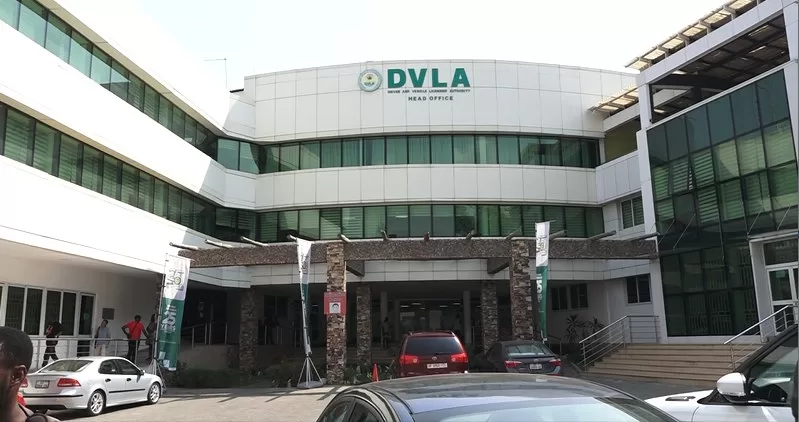
The Driver and Vehicle Licensing Authority has moved to calm public anxiety over recent reports on its vehicle onboarding process, with Chief Executive Officer Julius Neequaye Kotey assuring motorists that there are no restrictions on vehicle use and no sudden policy changes affecting road users.
In a clarification issued on January 8, 2026, the DVLA explained that the onboarding system being discussed in the media is a long-standing process that has been in operation for several years as part of a broader digital transformation of vehicle registration in Ghana.
According to Mr Kotey, the onboarding process is not a new directive and should not be interpreted as an immediate requirement that prevents motorists from driving their vehicles.
He stressed that the system has been active for about three years and is fully integrated with the Vehicle Registration System launched in February 2024. The current phase, he explained, represents a gradual technical update rather than a sudden nationwide mandate.
His intervention followed media reports that suggested vehicle owners who had not completed onboarding could face restrictions, a claim the DVLA said is inaccurate.
Mr Kotey emphasised that no motorist is barred from driving simply because onboarding has not yet been completed. He noted that while the Authority encourages owners of vehicles registered before 2023 to update their records, there is no urgency or punitive deadline attached to the process.

Deliberate Design
The DVLA has deliberately designed the system to allow vehicle details to be updated conveniently during routine interactions, particularly at the point of Roadworthy Certificate renewal. This approach, he said, ensures that compliance does not disrupt daily activities or impose unnecessary burdens on motorists.
The DVLA Chief Executive urged the public to disregard what he described as sensational headlines and to rely on verified information released through official channels.
He said accurate updates would always be shared on his official timelines and through the Authority’s communication platforms, adding that misinformation only creates confusion and undermines public confidence in ongoing reforms. His reassurance forms part of a broader effort by the DVLA to improve transparency as it modernises its operations.
The clarification comes at a time when the DVLA is implementing one of its most ambitious reform programmes in recent years. In 2026, the Authority is deepening its shift toward digital service delivery, with multiple initiatives aimed at improving efficiency, security and accessibility.
DVLA New Number Plate
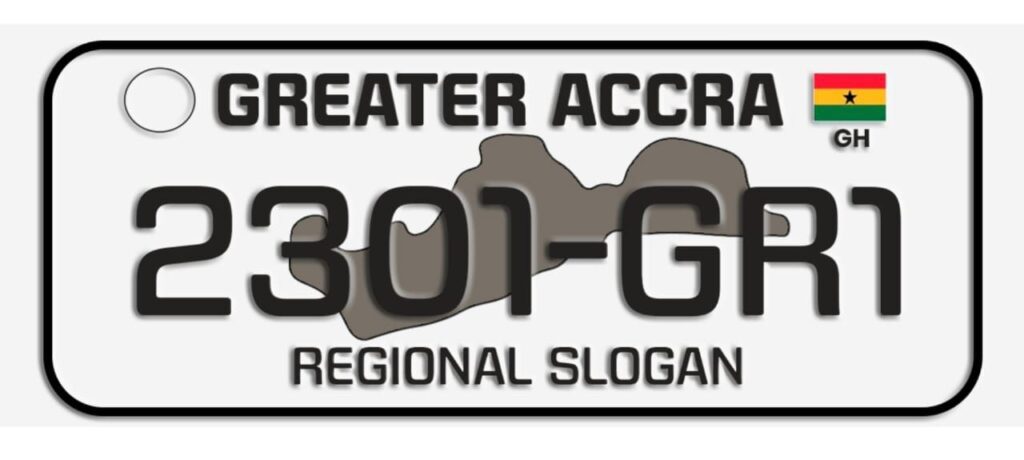
Central to this agenda is a new number plate system, which was initially scheduled to begin in early January 2026 but has been temporarily delayed due to legal processes.
The rollout of the advanced number plate system has been suspended pending parliamentary approval of amendments to Legislative Instrument 2180. Until the legal framework is finalised, vehicles registered in early 2026 will continue to use the existing year based suffix system, such as plates ending with the number 26.
Once implemented, the new plates are expected to introduce significant changes, including the replacement of year identifiers with zonal codes and the issuance of plates in the name of individual owners rather than being tied solely to the vehicle. These features are intended to enhance traceability, ownership verification, and road safety enforcement.
Digital Drive from Port Stickers
Despite the delay in the number plate rollout, other aspects of the DVLA’s digital reforms are already in effect. One notable change is the full transition from the old aluminium Drive from Port plates to the digital Drive from Port stickers.
Implemented toward the end of 2025, the new stickers come with enhanced security features designed to prevent reuse across multiple vehicles. They also allow real time tracking of vehicles from the port, reducing opportunities for fraud and improving oversight during the registration process.
The Authority has also expanded its operational capacity to improve service delivery nationwide. Beginning in January 2026, all regional DVLA offices are expected to operate on a 24 hour basis.
This measure is aimed at reducing backlogs, shortening waiting times and offering greater flexibility to motorists who may find it difficult to access services during regular working hours. The move is part of a broader strategy to make DVLA services more customer focused.
In addition, the DVLA has taken steps to promote inclusivity in driver licensing. Plans are underway to introduce driver licensing tests in selected local languages by early 2026.
This initiative is intended to support non English speakers and ensure that language barriers do not prevent qualified drivers from obtaining licences. The Authority believes this reform will improve road safety by allowing candidates to better understand testing requirements and traffic regulations.
Decentralisation has also featured prominently in the DVLA’s reform agenda. In the months leading into 2026, nine new offices were commissioned, including facilities at Abuakwa and Bonwire.
These centres are designed to bring services closer to communities in remote districts and reduce the need for long distance travel to access registration and licensing services. The expansion reflects a commitment to equitable access and regional balance.

Mr Kotey’s clarification on vehicle onboarding underscores the DVLA’s position that reform should be orderly, transparent and citizen centred. By assuring motorists that there are no immediate restrictions and that onboarding can be completed gradually, the Authority hopes to sustain public trust while advancing its digital transformation.
As legal processes around the new number plate system continue, the DVLA said it remains focused on improving service delivery and ensuring that reforms ultimately benefit both motorists and the broader transport system.
READ ALSO: Lebanese Army Completes First Phase Of Disarming Non-state Groups