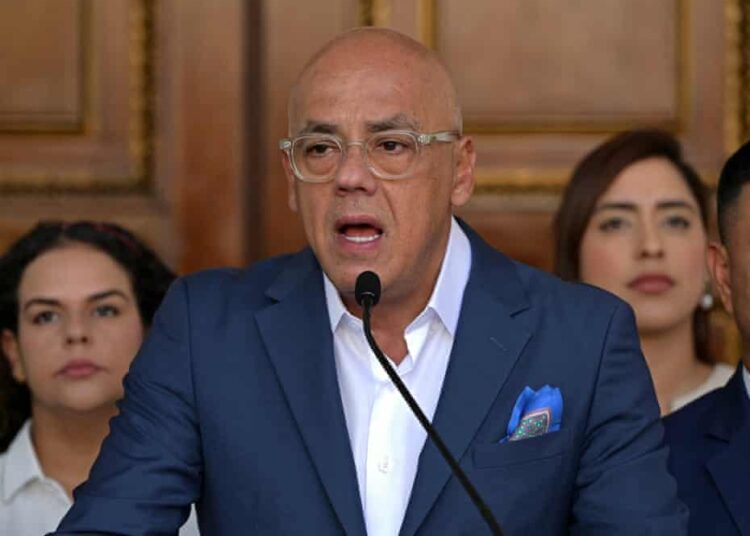
Venezuela has released a number of imprisoned high-profile opposition figures, activists and journalists.
In what the government described as a gesture to “seek peace,” the release comes less than a week after former President Nicolás Maduro was captured by US forces to face drug-trafficking charges.
Jorge Rodríguez, brother of the acting President and Head of Venezuela’s National Assembly, said a “significant number” of people would be freed. “Consider this a gesture by the Bolivarian (Venezuelan) government, which is broadly intended to seek peace,” he announced.
Among those released was Biagio Pilieri, an opposition leader who was part of Nobel Peace Prize winner María Corina Machado’s 2024 presidential campaign, according to Foro Penal, an advocacy group for prisoners based in Venezuela’s capital, Caracas. Also released was Enrique Márquez, a former electoral authority and candidate in the 2024 presidential election, the organization said.
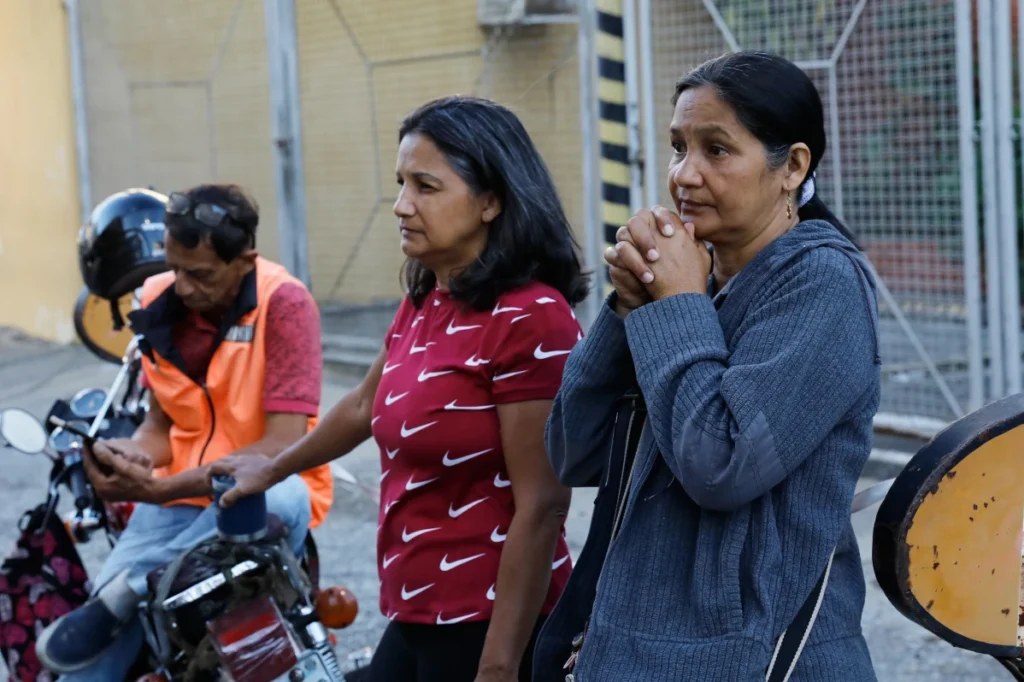
The Spanish government said that five of its citizens, including dual national San Miguel, had been released from custody in Venezuela and would soon return to Spain.
Spain’s foreign ministry called the development “a positive step in the new phase Venezuela is entering.”
Spanish Foreign Minister José Manuel Albares identified the other Spanish nationals released as Andrés Martínez, José María Basoa, Ernesto Gorbe and Miguel Moreno.
Two of them, Martínez and Basoa, were arrested in Venezuela in September 2024 and accused of plotting to destabilize Maduro’s government as Spanish spies — allegations vehemently denied by Spain
Venezuela’s government has a history of releasing people imprisoned for political reasons, including real and perceived opponents, during moments of high tension to signal openness to dialogue.
Ronal Rodríguez, a researcher at the Venezuelan Observatory at the University of Rosario in Bogotá, Colombia, iterated that the government releases prisoners at politically strategic moments.
In July last year, Venezuela released 10 jailed US citizens and permanent residents in exchange for the repatriation of over 200 Venezuelans deported by the Trump administration to El Salvador, where they had been held in a prison built to house criminal gangs.
He said of prisoners in Venezuela, “The regime uses them like a bargaining chip.” It will be telling to see not only how many people the government releases, he added, but also under what conditions and whether the releases include anyone high-profile.
Human rights groups and members of the opposition were encouraged by the move, though it wasn’t clear yet what it represented — whether the growing pains of a government in transition or a symbolic overture to placate the Trump administration, which has allowed Maduro’s loyalists to stay in power as it exerts pressure through crippling sanctions.
Venezuela’s Opposition Leader Hails Release
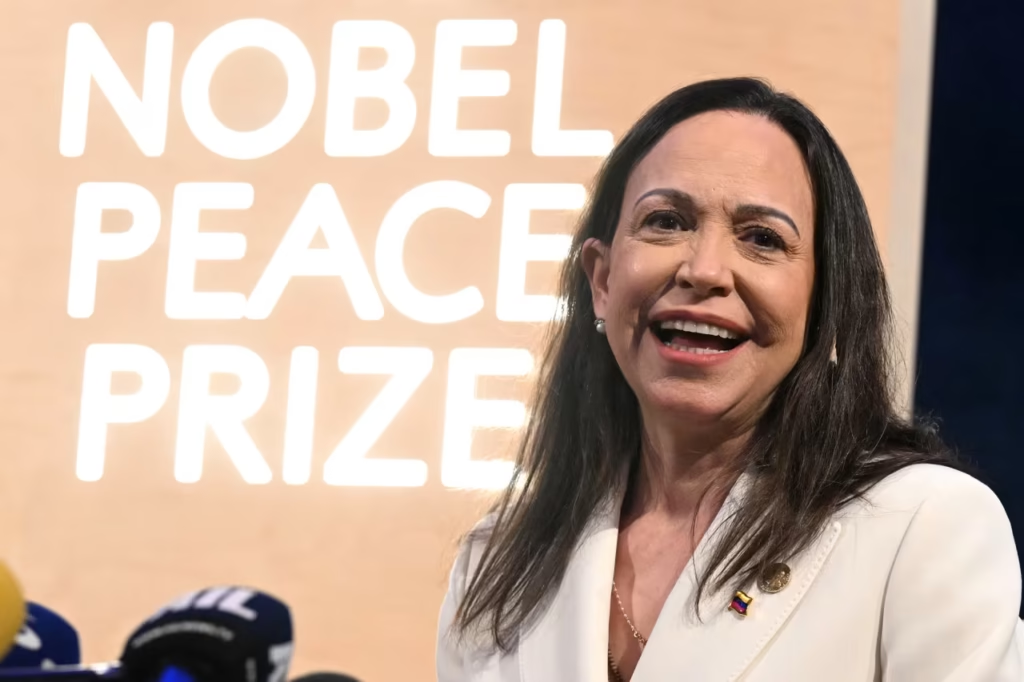
Venezuela’s opposition leader, María Corina Machado, in an audio message published on social media, hailed the releases.
“This is an important day because it shows what we have always known: that injustice will not last forever and that truth, although it be wounded, ends up finding its way.”
Machado
For Machado, the gesture was “an act of moral restitution.” “Nothing brings back the stolen years,” she said in an audio message from exile addressed to families of released detainees, urging them to take comfort in the knowledge that “injustice will not be eternal.”
Alfredo Romero, President of Foro Penal, expressed cautious hope “that this is indeed the beginning of the dismantling of a repressive system in Venezuela … and not a mere gesture, a charade of releasing some prisoners and incarcerating others.”
It is unclear how many people are being freed. Human rights organisations working in the country estimate that Venezuela holds between 800 and 1,000 political prisoners, most of them detained for taking part in protests after the 2024 election, widely believed to have been stolen by Maduro.
READ ALSO: Lebanese Army Completes First Phase Of Disarming Non-state Groups