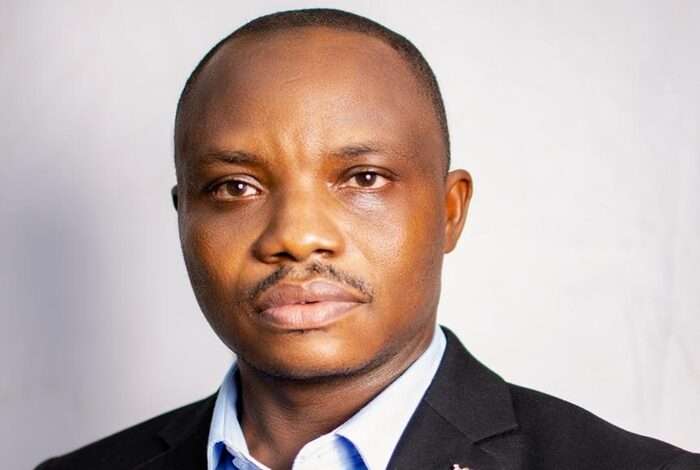
Author: Ishmael Kwabla Hlovor (PhD): International Relations Analyst and Lecturer, Department of Political Science Education, University of Education, Winneba
When President John Dramani Mahama returned to power on 7 January 2025, Ghana had changed profoundly from the country he once governed. The economy was only beginning to recover from its latest cyclical crisis, arguably the most severe in recent history. Long-standing domestic economic vulnerabilities were brutally exposed and amplified by the COVID-19 pandemic and the Russia–Ukraine war.
In this sense, Mahama was not unfamiliar with crisis management. During his first term as president, Ghana experienced a similar period of economic distress. An internal power crisis, combined with a sharp decline in global commodity prices between roughly 2011 and 2015, pushed the economy into turmoil, culminating in yet another IMF programme in 2015.
IMF bailouts remain Ghana’s preferred painkiller, offering short-term relief while largely treating the symptoms rather than the structural weaknesses of the economy. Regionally, Mahama also steered Ghana through the deadly Ebola crisis, underscoring his experience in navigating overlapping domestic and transnational shocks.
To some extent, therefore, the Ghana Mahama returned to lead bore similarities to the one he left behind in January 2017 when he embarked on a deserved prolonged presidential sabbatical, which offered him time for self-introspection and better appreciation of the task he now seems to confront with much more audacity.
Yet, fundamentally, the context of his return in 2025 was markedly different. Ghana now faced a far deeper economic crisis, one requiring a debt restructuring of unprecedented scale, an economic shock comparable, metaphorically, to a magnitude-9.6 Mw earthquake (The Chilean earthquake of 1960, the largest in history, measured 9.5Mw).
Overnight, investments were wiped out, with even pensioners not spared. Although prices of goods and petroleum products were beginning to show signs of relative stability, the social scars of the adjustment process remained raw and widespread.
Beyond Ghana’s borders, West Africa had also undergone a troubling transformation. Terrorism and insurgency, once largely confined to the Sahel, had intensified and moved steadily southward, posing an existential threat to coastal states, including Ghana. ECOWAS, the region’s long-standing security anchor had become deeply divided following the withdrawal of Mali, Burkina Faso, and Niger.
These military-led states, resentful of ECOWAS’ zero-tolerance stance on coups, formed the Alliance of Sahel States (ASS), united by shared militray uniformed leaders, security concerns and a confrontational posture toward both terrorism and perceived external interference.
While their success against insurgency remains uncertain, the crisis is not merely a Sahelian problem; it represents a direct and growing threat to the entire ECOWAS sub-region. We can only pray they get it rights and prove the cynics wrong.
Ghana’s foreign policy orientation had also shifted in important ways. Under President Akufo-Addo, Ghana initially pursued an assertive vision of African agency, articulated through initiatives such as “Africa Beyond Aid” or locally “Ghana Beyond Aid” and renewed calls for reparations.
However, mounting economic pressures and global geopolitical realities gradually forced a recalibration toward closer strategic alignment with Western partners in the pursuit of economic survival, even if that takes reporting Burkina Faso to the United States concerning Russian mercenary activities.
Strategic alignment with major powers, however, is not new in Ghana’s foreign policy tradition. The PNDC regime similarly reversed its early ideological posture in the 1980s after failed engagements with Eastern bloc partners, turning instead to the IMF while seeking to preserve the revolutionary spirit at home.
Thus, Mahama’s return to power in 2025 did not occur in a context of non-alignment but rather within pragmatic strategic alignment. This time, however, the stakes were higher. Intensifying superpower rivalry among the United States, China, Russia, and their respective allies has made the international system more polarized and more sensitive.
It is against this complex backdrop of domestic economic fragility, regional insecurity, and global power competition that Mahama was called upon to craft a foreign policy capable not only of safeguarding Ghana’s sovereignty but also of enabling the country to exercise influence without power in an increasingly contested international order.
Against popular expectations that President Mahama would appoint an older, more conventional diplomatic figure to manage Ghana’s increasingly complex external relations, he instead selected Samuel Okudzeto Ablakwa to lead the country’s foreign policy renewal and reorientation.
The choice was far from accidental. Ablakwa had served as the Ranking Member on Parliament’s Select Committee on Foreign Affairs in the 7th and 8th Parliaments, where he built a reputation for deep engagement with Ghana’s external relations and for consistently articulating principled positions on sovereignty, diplomacy, and African agency.
Often described as an ideologue, Ablakwa is an avowed adherent of Kwame Nkrumah’s Pan-African vision and intellectual tradition. This ideological lineage was unmistakable during his parliamentary vetting, where nearly every response was framed through direct quotations from, or paraphrased reflections on, Nkrumah’s ideas.
There was little doubt that, in both intent and outlook, the new Foreign Minister seeks to reanimate Nkrumah’s foreign policy ethos, albeit within a global system profoundly different from that of the Cold War era in which Nkrumah operated.
President Mahama himself, though fundamentally pragmatic, has long demonstrated a selective embrace of Nkrumahist principles, particularly in his emphasis on African unity, strategic autonomy, and developmental sovereignty. The appointment of Ablakwa, therefore signals not a rupture with pragmatism but an attempt to fuse Nkrumahist idealism with contemporary realism.
In effect, Mahama appears to be betting that a younger, ideologically grounded Foreign Minister can project moral clarity, Pan-African symbolism, and diplomatic assertiveness, while operating within the constraints imposed by economic fragility, regional insecurity, and intensified great-power rivalry.
A year into President Mahama’s return to office, Ghana’s foreign policy has begun to yield tangible gains, even as significant challenges remain. One of the most consequential pragmatic shifts was the abandonment of Ghana’s earlier hardline position on the Sahelian states. Under President Akufo-Addo, Ghana’s stance largely mirrored ECOWAS’ strategy of coercive pressure to force Mali, Burkina Faso, and Niger back to civilian rule.
This posture was not merely institutional but deeply personal. Akufo-Addo’s political identity as a human rights lawyer, pro-democracy activist, and leading opposition figure during periods of military rule in Ghana left him with little tolerance for coups, regardless of the intentions claimed by their perpetrators.
In foreign policy, personality can be as influential as material power, and Akufo-Addo appeared firmly committed to the principle that even a dysfunctional democracy is preferable to military rule. This position is not without merit. The sub-region’s history suggests that military regimes often begin with popular legitimacy and reformist rhetoric, only to deteriorate into repression, mismanagement, and prolonged instability.
Mahama, however, has approached the crisis from a more pragmatic and developmental perspective. He appears to recognize that democracy must ultimately earn its legitimacy through the delivery of tangible social and economic benefits. This understanding has made his administration more open to engagement rather than isolation of the Sahelian states.
It is also important to note that by the time Mahama assumed office, re-engagement with the Sahelian states had become a more rational and pragmatic course of action, particularly as these countries had already begun the process of withdrawing from ECOWAS. At the same time, Ghana’s strategic interests with Burkina Faso were too significant to justify maintaining a hardline stance in the face of this evolving reality.
This strategic recalibration has significantly transformed Ghana’s position within the emerging fault line between the Alliance of Sahel States (AES) and ECOWAS. Rather than being perceived as an extension of ECOWAS’ punitive posture, Ghana has repositioned itself as a mediator state, one capable of dialogue with both blocs. This shift has enhanced Ghana’s diplomatic agency and reinforced its claim to regional leadership at a moment of profound insecurity in West Africa.
Other initiatives soon followed, reinforcing this posture of assertive diplomacy. Ghana launched the Accra Reset Initiative on Health Sovereignty, signaling an expanded understanding of security that extends beyond military threats to include structural vulnerabilities in health systems.
Simultaneously, Ghana has intensified its leadership role in global calls for reparations. President Mahama, an astute and effective communicator, has used high-profile platforms such as the United Nations General Assembly to demand greater respect for African dignity and agency, and to press for the recognition of slavery as a crime against humanity.
Humanitarian deployments, such as Ghana’s response to the devastation caused by hurricanes in Jamaica, have been strategically leveraged to project the country as a welcoming home for the African diaspora and as a committed partner in global humanitarian efforts. By providing timely assistance, Ghana signals its willingness to support Black and African communities wherever they may be, reinforcing a broader Pan-African and diasporic solidarity.
Similarly, donations to Palestine have positioned Ghana as a nation willing to accept international humanitarian responsibilities, demonstrating concern that transcends regional boundaries. While these actions are consistent with Ghana’s historical approach to international solidarity, they are not unprecedented.
For instance, President John Kufuor’s donation of relief to the United States following Hurricane Katrina in 2005 showcased a similar willingness to extend support beyond Africa, highlighting a longstanding tradition of humanitarian engagement as a tool for both moral leadership and soft-power projection.
At the continental level, Ghana’s enhanced diplomatic visibility was further underscored when ECOWAS endorsed President Mahama as its sole candidate for the Chairperson of the African Union Commission when the region’s turn arrives in 2027.
This endorsement not only reflects regional confidence in Mahama’s leadership credentials but also signals recognition of Ghana’s recalibrated foreign policy posture, one that combines mediation, pragmatism, and normative advocacy.
Relations with the United States, however, initially posed a significant challenge. Early tensions culminated in travel restrictions and the imposition of tariffs by the Trump administration, measures that threatened to compound Ghana’s fragile economic recovery.
These frictions were eventually defused through a distinctly pragmatic, transactional approach. By accepting a controversial deportation arrangement, which allows the United States to deport third-country West African nationals to Ghana under what was framed as a “humanitarian” mechanism, Accra secured the lifting of visa restrictions and a substantial reduction in tariffs.
The agreement generated intense domestic and regional controversy, particularly over concerns about sovereignty, precedent-setting, and the ethical implications of hosting deportees from third countries. Nonetheless, from a narrowly strategic perspective, the deal succeeded in its immediate objective: stabilizing and improving Ghana–U.S. relations at a critical moment.
It demonstrated Mahama’s willingness to absorb political costs at home in exchange for diplomatic and economic relief abroad, reinforcing the administration’s broader foreign policy philosophy of pragmatic engagement over ideological rigidity.
The Foreign Minister’s style has been defined by a distinctive blend of combativeness, occasional abrasiveness, and calculated pragmatism. As an avowed Nkrumahist, Okudzeto Ablakwa’s willingness to recalibrate Ghana’s long-standing position on the Morocco–Sahrawi Arab Democratic Republic (SADR) conflict is particularly striking.
The shift, which effectively conceded full sovereign independence for the Sahrawi cause in favour of autonomy within Morocco sits uneasily with classical Nkrumahist commitments to self-determination and anti-imperial solidarity. Yet Ablakwa, recognising the pragmatic realities of contemporary diplomacy and the tangible economic and strategic benefits accruing to Ghana, accepted this repositioning as a necessary compromise.
A defining feature of Ablakwa’s foreign policy engagement has been his deliberate public-facing approach. He has sought to connect directly with citizens and remain politically visible, perhaps intentionally, and not without speculation, as part of a longer-term political trajectory.
This visibility has, at times, translated into a confrontational posture on issues that might traditionally have been handled through quiet, backdoor diplomacy. While this approach has occasionally generated friction and controversy, it also reflects a broader attempt to democratise foreign policy by bringing it into the public domain.
If diplomacy is ultimately judged by outcomes rather than style, Ablakwa can credibly claim measurable results, even where his methods invite criticism, criticism that I have, at times, openly expressed. Under his leadership, Ghana’s diplomatic service has undergone notable reforms aimed at improving responsiveness and accountability. Passport processing times have been significantly reduced, enhancing citizen access to consular services.
The temporary closure of Ghana’s embassy in Washington, D.C., to address allegations of financial impropriety, though no individual has yet been prosecuted, signaled an unprecedented willingness to confront institutional malpractice.
Most consequentially, the introduction of a formal Key Performance Indicator (KPI) framework for diplomats marks a historic departure from tradition, subjecting Ghana’s foreign service to measurable performance standards tied to clearly defined national objectives.
Relations with key international partners, particularly China, have also improved under the Mahama administration. At one point, the previous administration struggled to secure Chinese agreement on debt restructuring, even publicly appealing to Germany and other partners to intervene.
In contrast, Mahama’s government, perhaps benefiting from a closer ideological and diplomatic alignment with Beijing, has successfully obtained notable assistance, including a $30 million grant for the construction of a modern market at Aflao on the border with Togo, a project aimed at boosting regional trade and local development.
At the same time, Ghana’s position on the Russia–Ukraine conflict has moved from strong open condemnation of Russia to strategic engagement with Ukraine and Russia. Initial public condemnation of Russia has largely been moderated, reflecting a more pragmatic posture. During a meeting with the President of Ukraine,
Mahama seemed primarily focused on gaining access to drone technology for border security purposes, rather than taking a definitive stance on the conflict itself. While some critics raised concerns about potential diplomatic repercussions, particularly with the Sahelian states, such critiques overlook the administration’s broader strategy of non-alignment.
By prioritizing practical national interests over ideological signaling, Ghana demonstrates a foreign policy calibrated to preserve strategic space and flexibility in an increasingly contested international system. Yet, no one should be persuaded by Ghana’s forward-looking approach to foreign policy and diplomacy.
Even under the Akufo-Addo administration, the early years signaled a promising new direction, but over time, evolving realities often undermined that vision. Key challenges remain, particularly the need to better integrate foreign policy with culture, tourism, and the creative industries.
One area for immediate improvement is the coordination of Ghana’s December festive events. Foreign Minister Ablakwa and the Minister of Tourism, Arts, and Culture, Abla Gomashie, should consider a field visit to the banks of the Volta River to recalibrate how the creative arts and cultural diplomacy can reinforce Ghana’s international image.
This year’s December festivities appear uncoordinated: scheduling conflicts have arisen between artists’ performances and state-sponsored events, which undermines Ghana’s reputation as a premier holiday destination. Early planning, with a publicly agreed timetable for major cultural events, would prevent such clashes and allow for strategic promotion.
For ticketed events, state subsidies could ensure participation while amplifying Ghanaian brands like Stonebwoy, Shatta Wale and Sarkodie, whose global recognition makes them assets of cultural diplomacy.
Similarly, state support is crucial for the Ghanaian film industry. Movies that tell Ghana’s story effectively serve as tools of soft power, projecting the nation’s values and culture to global audiences. By providing funding and institutional support, Ghana can strengthen its cinematic output and global reach.
In comparison, Nigeria’s film industry has achieved virtual cultural hegemony, although many Nollywood films sometimes convey negative images that raise questions about the broader understanding of cinema’s role in shaping national perception. Ghana has the opportunity to strategically harness its creative industries to enhance foreign policy objectives, combining culture, tourism, and diplomacy into a cohesive soft-power strategy.
The deportation deal with the United States raises serious questions regarding legality and the implications for Ghana’s relations with its ECOWAS neighbours. A lack of a coordinated, region-wide approach weakens collective bargaining power and leaves member states vulnerable to unilateral pressures from major powers. Ghana, in its role as a regional leader, should champion a common ECOWAS strategy to strengthen the sub-region’s negotiating position and protect national interests.
Another major challenge confronting Ghana’s foreign policy lies in its potential role as a mediator between the Economic Community of West African States (ECOWAS) and the Sahel States. While this posture offers important diplomatic advantages—such as enhancing Ghana’s profile as a peace broker and stabilizing regional relations—it also presents significant credibility risks.
Maintaining a stance of neutrality necessary for effective mediation may raise concerns about Ghana’s commitment to ECOWAS collective decisions, particularly if tensions between the two blocs persist or deepen. In such circumstances, neutrality could be interpreted as a reluctance to fully support regional solidarity and enforcement mechanisms.
A similar dilemma arises in the context of intensifying geopolitical competition between the United States on one hand and Russia, China, alongside other emerging powers on the other.
Ghana’s strategy of non-alignment or strategic neutrality may allow it to diversify partnerships and safeguard national interests; however, this approach can also generate suspicions among external partners regarding Ghana’s long-term strategic orientation and reliability.
As global rivalries sharpen, sustaining a balanced foreign policy without undermining trust or credibility becomes an increasingly complex challenge. Domestically, the opposition also needs to recover quickly from its 2024 electoral defeat. Too often, its spokesperson on foreign affairs articulates positions that diverge sharply from the historical trajectory of Ghanaian diplomacy.
A notable example is the party’s stance on the Israel–Palestine conflict, which often appears disconnected from Ghana’s long-standing principles of non-alignment and support for self-determination. In this regard, the deputy ranking member, who is conceptually grounded and historically informed, may be better suited to provide credible, frontline guidance. This adjustment is needed for the benefit of both the party and the nation.
Economically, the challenges remain significant. Talks about extending IMF support should not be construed as a defeat; if such measures alleviate societal pain and stabilize the economy even in the short term until credible long-term measures bear fruit, they are pragmatically justified.
Overall, after one year in office, President Mahama’s foreign policy can be scored as 7 out of 10. While notable achievements such as strengthened humanitarian diplomacy, regional mediation, and assertive advocacy for Africa’s interests are evident, persistent challenges remain in coordinating regional policy, maintaining non-alignment, and integrating domestic development goals with international engagement.
Nevertheless, the trajectory suggests a foreign policy approach that is both pragmatic and forward-looking, balancing ideology, national interest, and global realities.
READ ALSO: Mahama Attends World Economic Forum, Set to Hold Meeting on Accra Reset Initiative