Ghana has been urged to take a leadership role in driving a regionally integrated minerals market across Africa, as the continent seeks to unlock greater value from its vast natural resources.
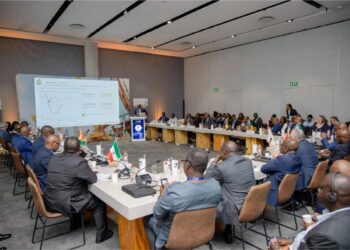
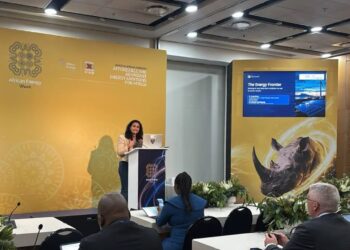
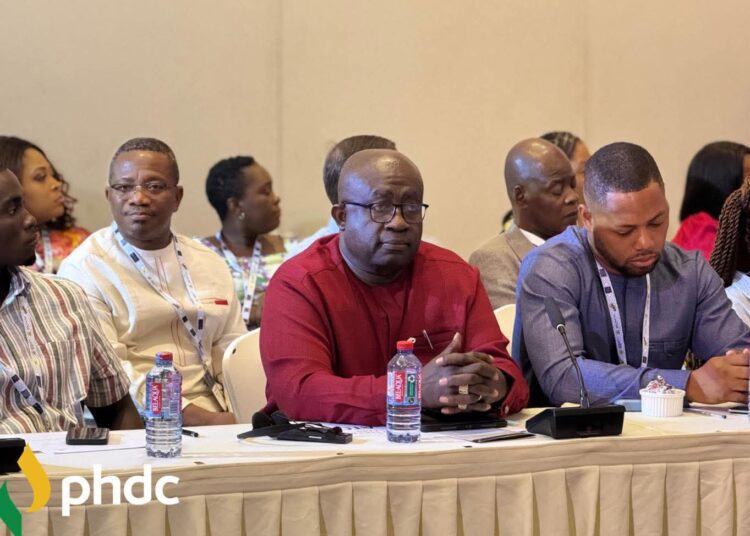
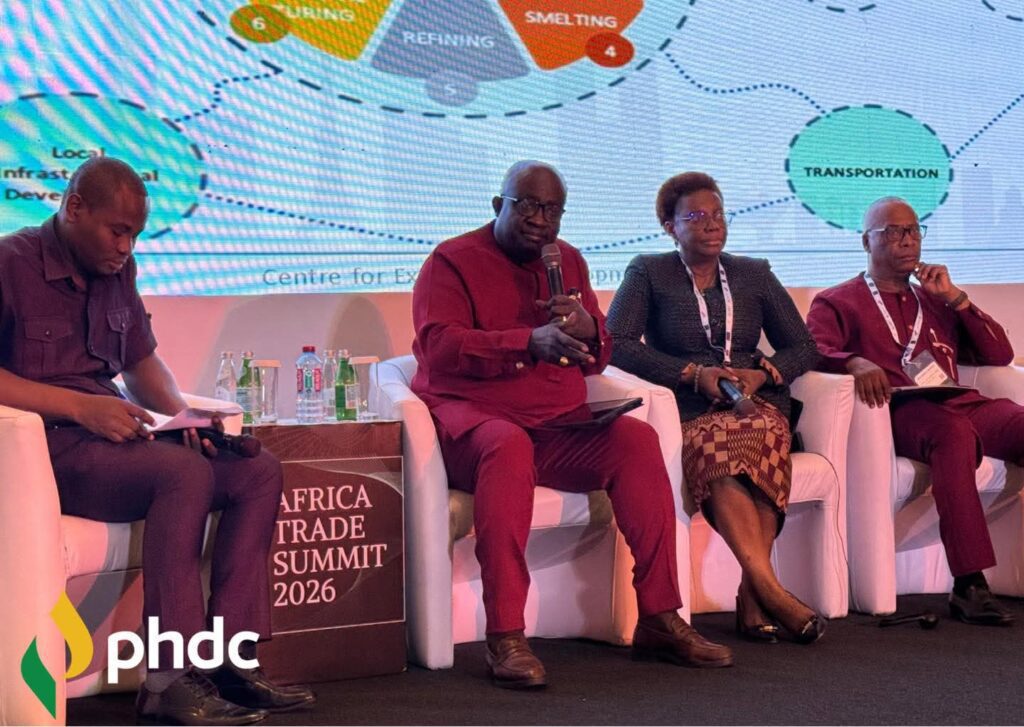
The call was made by the Chief Executive Officer of the Petroleum Hub Development Corporation, Dr Toni Aubynn, during a panel discussion at the Africa Trade Summit.
Speaking on the theme “Aligning Policy, Regulation and Institutions for Integrated Minerals Markets,” Dr Aubynn said Ghana is well-positioned to spearhead efforts that could transform Africa’s minerals sector from one focused on raw exports to a more value-driven, industrialised ecosystem.
“Ghana must take the lead in advancing a regionally integrated minerals market, as the country stands to gain significantly from such achievement.”
Dr Toni Aubynn, Chief Executive Officer of the Petroleum Hub Development Corporation
He noted that Ghana’s relatively stable regulatory environment, established mining sector, and growing institutional capacity provide a strong foundation for leadership in shaping regional minerals policy.
By taking the initiative, he argued, Ghana could help set standards that promote efficiency, transparency, and competitiveness across African mineral markets.
Breaking Silos Through AfCFTA

Dr Aubynn stressed that Africa’s mineral-rich countries must move away from fragmented, country-by-country approaches to resource development.
“Rather than operating in silos, African countries should capitalise on the opportunities presented by the African Continental Free Trade Area and collaborate to maximise the benefits derived from their natural resources.”
Dr Toni Aubynn, Chief Executive Officer of the Petroleum Hub Development Corporation
He explained that AfCFTA offers a unique platform to harmonise policies, reduce trade barriers, and enable cross-border investment in mineral processing and manufacturing.
Such cooperation, he said, would allow African countries to pool strengths, share infrastructure, and build regional value chains that are globally competitive.
A key pillar of Dr Aubynn’s argument was the need for Africa to move beyond the export of unprocessed minerals.
“Integration efforts should prioritise value addition and mineral refining over the raw export of minerals,” he said, warning that continued reliance on raw exports limits job creation and industrial development.
By investing in refining, smelting, and downstream industries, Dr Aubynn said African countries could capture a larger share of the minerals value chain.
This shift, he added, would not only increase export revenues but also support skills development, technology transfer, and long-term economic resilience.
“To achieve greater local participation in the mining sector, African countries must deliberately provide targeted incentives to their domestic investors.”
Dr Toni Aubynn, Chief Executive Officer of the Petroleum Hub Development Corporation
GoldBod Praised as Strategic Intervention

In his remarks, Dr Aubynn also commended recent policy measures taken by the Ghanaian government to strengthen oversight in the minerals sector.
He singled out the Ghana Gold Board, known as GoldBod, describing it as a strategic initiative to improve regulation and control of gold exports from the small-scale mining sector.
He said the establishment of GoldBod reflects a growing recognition of the need for stronger institutions to support effective minerals governance.
By formalising exports and improving traceability, he noted, such initiatives could help curb smuggling, increase state revenues, and enhance Ghana’s credibility in international markets.
Throughout the discussion, Dr Aubynn underscored the importance of alignment between policy, regulation, and institutions in achieving an integrated minerals market.
He argued that without coherence across these areas, integration efforts risk being undermined by inconsistencies and weak enforcement.
He called on African policymakers to adopt a long-term, coordinated approach that balances national interests with regional goals. According to him, success will depend on political will, institutional capacity, and sustained collaboration among governments, regulators, and the private sector.
As Africa’s demand for minerals continues to grow amid the global energy transition, Dr Aubynn said the continent has a narrow window to reposition itself within global supply chains.
He maintained that regional integration, anchored by strong leadership and value-driven policies, offers the best path toward shared prosperity.
READ ALSO: Ghana Stocks End Week on Upbeat Note