
Fuel prices across Ghana are expected to rise from today, February 1, 2026, following renewed pressure on the Ghanaian cedi and a sharp upswing in international crude oil prices.
The anticipated adjustments mark the first upward revision in fuel prices this year, ending a period of relative stability that characterised earlier pricing windows.
The projected increases are outlined in the latest pricing outlook released by the Chamber of Oil Marketing Companies (COMAC), which provides guidance for pricing decisions by oil marketing companies (OMCs) operating in the downstream petroleum sector.
According to COMAC’s projections, petrol prices are expected to rise modestly but noticeably. The Chamber indicated that “petrol prices are expected to increase by up to 2.10 per cent per litre, potentially pushing pump prices to around GH¢11.48 per litre from February 1.”
Diesel prices are forecast to record a steeper increase over the same period. COMAC projects that diesel will “rise by between 4.00 per cent and 5.10 per cent, with a litre expected to sell at approximately GH¢12.77.” This increase is likely to have broader economic implications, given diesel’s heavy use in transportation, agriculture and industry.
Liquefied Petroleum Gas (LPG), a key household fuel for many Ghanaians, is also expected to see a marginal increase. The outlook suggests LPG prices will “edge up by 0.61 per cent, resulting in a kilogram selling at about GH¢13.50.”
Pressure from Currency Depreciation

COMAC attributed much of the anticipated price increases to sustained pressure on the Ghanaian cedi since the beginning of January 2026.
“The cedi has remained under pressure since the beginning of January 2026, largely driven by increased foreign exchange demand from businesses restocking for the year and multinational firms undertaking dividend-related transfers.”
Data from the Bank of Ghana’s January Economic and Financial Statistics support this assessment, showing that the cedi depreciated by approximately 4 per cent against the US dollar over the period.
Since petroleum products are largely imported and priced in dollars, any weakening of the local currency directly affects fuel pricing at the pumps.
For the February 1 pricing window specifically, COMAC noted that the cedi weakened from GH¢10.90 to GH¢10.98, representing a depreciation of about 0.77 per cent.
Rising Global Crude Oil Prices Add Pressure
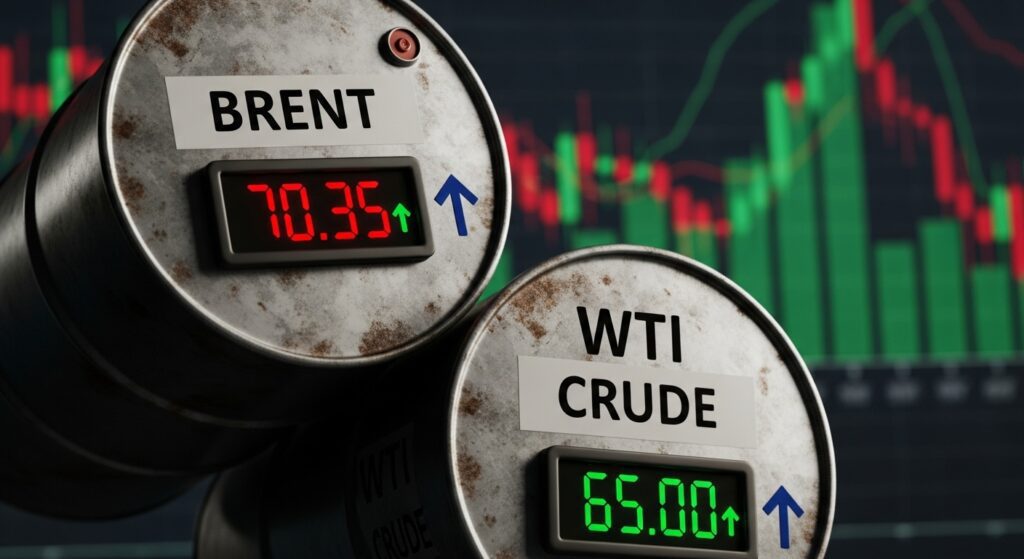
In addition to currency movements, rising international crude oil prices have compounded the cost pressures facing oil marketing companies.
COMAC reported that crude prices rose sharply during the review period, jumping from about US$64 per barrel to nearly US$70 per barrel within two days.
The Chamber further observed that crude oil prices rebounded strongly in early February, climbing from around US$62.50 per barrel to approximately US$67.40 per barrel. This rebound came despite earlier expectations of a global supply glut and was supported by several external factors.
These include disruptions to oil exports from Kazakhstan, tightening global energy market conditions, and renewed geopolitical tensions, notably fresh threats by the United States towards Iran. Such developments have heightened uncertainty in global energy markets, pushing prices upward.
In tandem with higher crude oil prices, international refined petroleum product prices also recorded significant increases during the period under review.
COMAC noted that petrol prices on the international market rose by 2.12 per cent, diesel by 6.73 per cent, while LPG prices increased by 3.66 per cent.
These increases at the international level have fed directly into domestic pricing models, making upward adjustments difficult to avoid for many OMCs.
Central Bank Assurance on Price Stability

Despite the mounting pressures, COMAC said it has received assurances from the Bank of Ghana regarding efforts to stabilise the economy.
This reassurance may provide some confidence to consumers and businesses already grappling with higher living and operating costs.
Although the pricing outlook points to increases from February 1, COMAC indicated that intense competition within the downstream petroleum sector could soften the immediate impact at the pumps. Some OMCs may choose to temporarily absorb part of the cost increases to protect market share.
Industry sources suggest that certain OMCs may delay implementing price changes, opting instead to observe how major market players respond before adjusting their own prices.
Petroleum pricing has become increasingly sensitive over the past two years, given its direct impact on volumes sold, profitability and overall revenue.
As a result, while fuel price increases are expected, the extent and timing may vary across retail outlets in the short term.
For consumers, the projected increases signal renewed pressure on household and business budgets. As fuel costs rise, there are concerns about knock-on effects on transport fares and the prices of goods and services.
Much like political developments such as the NPP presidential primaries shape national discourse, fuel pricing remains a critical issue that affects everyday life for millions of Ghanaians.
As global and domestic economic conditions evolve, attention will remain firmly on currency movements, crude oil prices and policy responses in the weeks ahead.
READ ALSO: Iran Declares European Armies As Terrorist Groups