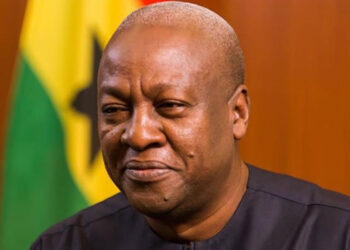

President John Dramani Mahama has been ranked the fifth most powerful individual in global development for 2026 by Devex, a leading international media platform covering development finance, policy, and humanitarian affairs.
The recognition places the Ghanaian leader among influential figures shaping the future of global development at a time of major shifts in aid, finance, and international cooperation.
The ranking follows President Mahama’s return to office in January, 2025, marking his second term as President of the Republic of Ghana. Although not a consecutive tenure, his comeback has drawn international attention, particularly for his efforts to reposition Africa within the global development architecture.
President Mahama previously served as President from 2012 to 2017, after holding roles as Vice President, Member of Parliament, and cabinet minister. He also brings multilateral experience, having served as the first cochair of the United Nations Advocacy Group on the Sustainable Development Goals.
Devex cited President Mahama’s leadership of what has become known as the Accra Reset as the primary reason for his inclusion in the top five of its Power 50 list.
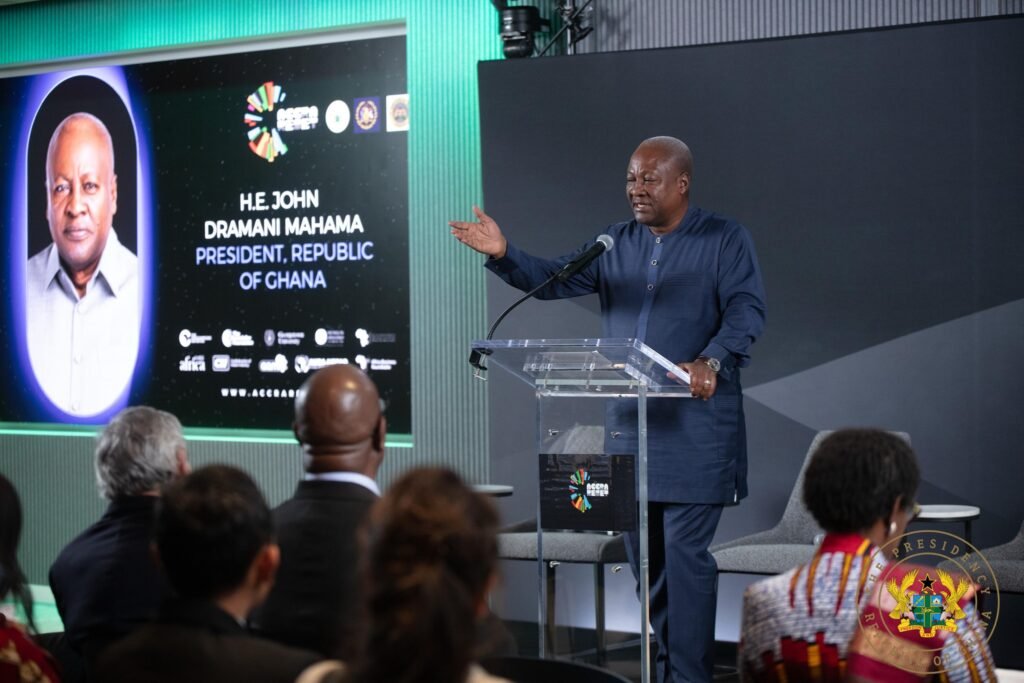
The Accra Reset is a reform agenda that challenges traditional approaches to development and calls for a fundamental rethinking of how African countries engage with global partners. Rather than adjusting to declining aid flows, President Mahama has argued that Africa must actively renegotiate its position in the global economic system.
According to Devex, President Mahama has emerged as one of the most vocal advocates for a new deal for African development. His interventions have focused on debt relief, trade reform, climate finance, and development governance.
He has consistently made the case that African economies cannot rely on a shrinking aid model, but must instead pursue greater ownership, fairer global rules, and innovative financing mechanisms that reflect current realities.
Accra Reset Gained International Momentum
The Accra Reset gained international momentum in August last year when President Mahama convened African leaders, policymakers, and global health experts in Ghana’s capital.
The meeting produced a shared vision for African health sovereignty, emphasizing national leadership, domestic capacity, and more equitable partnerships with global institutions. Participants agreed that the continent must move away from dependency-driven models and toward systems that strengthen resilience and long-term sustainability.
That initial health-focused framework was later expanded during the United Nations General Assembly in September, where President Mahama and his partners broadened the scope to cover development more generally.
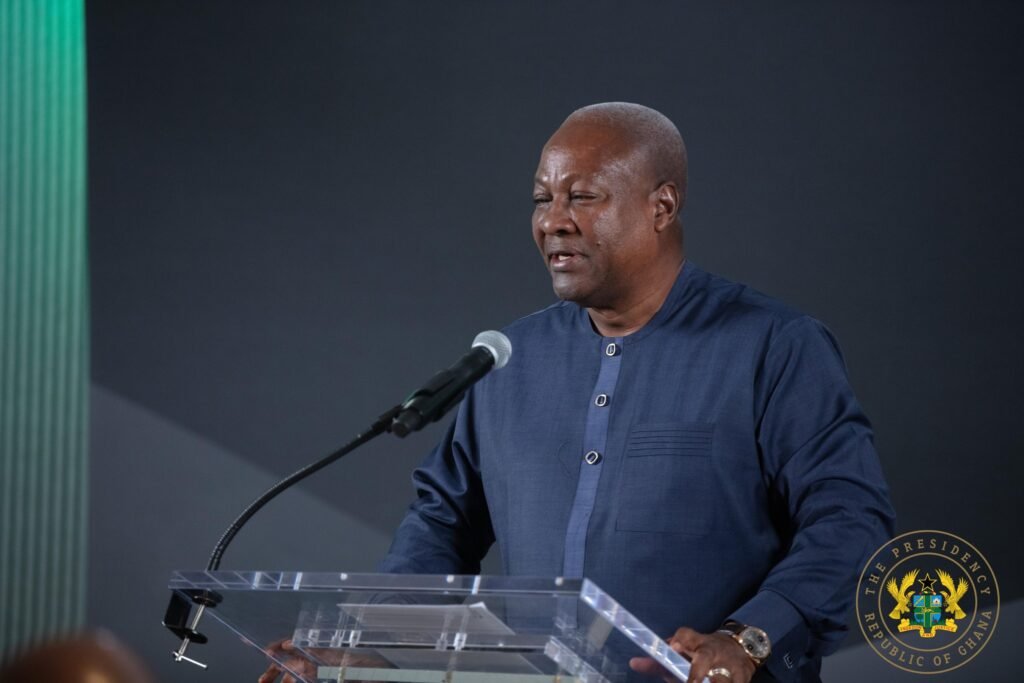
The discussions extended beyond Africa, positioning the Accra Reset as a global response to what President Mahama has described as the end of development as usual. Central to the agenda is the call for new governance, business, and financing models, particularly in light of recent cuts to United States foreign assistance.
Devex noted that Mahama has played a hands on role in advancing this vision, engaging directly with governments, international organizations, and civil society actors.
Former Nigerian President Olusegun Obasanjo has served as a senior adviser to the initiative, lending further political weight to the effort. Together, they have framed the Accra Reset as both a practical and philosophical shift in how development challenges are addressed in a changing world.
In its background analysis, Devex explained that power in the development sector does not always align with financial wealth, but instead reflects the ability to influence policies, institutions, and funding decisions.
The Power 50 list seeks to identify individuals who are shaping outcomes behind the scenes across government, philanthropy, technology, multilateral finance, and global health. The 2026 list reflects a year of significant transformation, as traditional donors reduce aid budgets while new actors and models step forward.

Alongside President Mahama, the top five includes the Chief Executive Officer of the United States International Development Finance Corporation, the President of the African Development Bank, the Vice President of Global Impact at OpenAI, and the Chief Executive of a leading philanthropic organization.
Mahama’s Growing Influence
President Mahama’s inclusion underscores the growing influence of political leaders from the Global South in setting the development agenda, rather than merely responding to it.
The recognition reinforces Ghana’s reemergence as a hub for ideas shaping Africa’s engagement with the world. Since returning to office, President Mahama has emphasized diplomacy, regional cooperation, and intellectual leadership as key pillars of Ghana’s foreign and economic policy.
His government has signaled that development debates must move beyond aid volumes to questions of fairness, agency, and long-term impact. The Accra Reset has also resonated at a moment when artificial intelligence, private capital, and development finance institutions are being asked to fill gaps left by declining bilateral aid.
Devex highlighted these trends, noting that while funding shortfalls remain significant, new tools and actors are redefining what progress looks like in a post-aid era. For President Mahama, the ranking represents both personal recognition and validation of an agenda he has championed since before his return to office.

It reflects his effort to place African voices at the center of global decision making and to argue that sustainable development must be built on partnership rather than prescription.
As global attention increasingly turns to alternative models of cooperation, Mahama’s Accra Reset continues to shape conversations about the future of development in Africa and beyond.