
Ghana’s ambition to move beyond the export of raw minerals is gaining renewed momentum following a high-level inspection of the Gold Coast Refinery by the Ministry of Finance.
The facility, which has a refining capacity of up to two tonnes of gold per week, is being positioned as a cornerstone of the country’s industrial and economic transformation.
Finance Minister Dr. Cassiel Ato Forson described the refinery as a landmark achievement that reflects Ghana’s long-term vision of retaining greater value from its natural resources.
“I inspected the Gold Coast Refinery, a facility that represents a major step in Ghana’s industrial and economic transformation,” Dr. Forson said, commending those behind its establishment and daily operations.

According to the Finance Minister, the Gold Coast Refinery is not an isolated project but the realization of a policy direction articulated nearly a decade ago.
“This is the fulfilment of a national vision first expressed by President John Dramani Mahama in 2016: that Ghana must refine its own gold and retain greater value from its natural resources.”
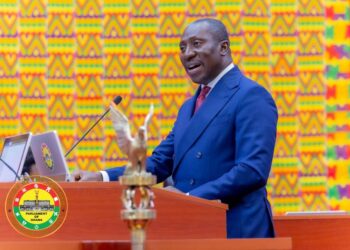
Finance Minister Dr. Cassiel Ato Forson
For decades, Ghana has been one of Africa’s leading gold producers, yet much of its output has been exported in raw or semi-processed form.
The establishment of the Gold Coast Refinery marks a decisive shift toward changing that model by ensuring that more stages of the value chain are completed locally.
Moving Beyond Raw Gold Exports

With the Gold Coast Refinery now operational, Ghana is taking concrete steps toward exporting fully refined gold under its own brand.
“With a refining capacity of up to two tonnes of gold per week, Ghana is moving beyond exporting raw gold toward exporting fully refined Ghanaian gold.”
Finance Minister Dr. Cassiel Ato Forson
Dr. Forson emphasized that this shift would “deepen value addition, create skilled jobs, and strengthen our foreign exchange earnings.”
Industry analysts say domestic refining could also reduce Ghana’s exposure to price fluctuations and external processing costs, while enhancing the country’s reputation in the global precious metals market.
Beyond refining, government plans linked to the Gold Coast Refinery include building robust scientific infrastructure to support transparency and accurate valuation in the gold sector.
Dr. Forson revealed that the Ministry of Finance is collaborating with GoldBod to establish a modern fire assay laboratory before the end of the year.
“For the first time since independence, Ghana will have the domestic scientific capacity to determine the true value and purity of its gold.”
Finance Minister Dr. Cassiel Ato Forson
The introduction of a fire assay laboratory is expected to improve royalty assessments, reduce disputes, and enhance confidence across the gold value chain. It will also strengthen regulatory oversight and support more accurate revenue mobilization for the state.
Economic Reset Through Value Addition

Dr. Forson framed the progress at the Gold Coast Refinery as part of a broader economic reset aimed at maximizing national benefits from natural resources.
He stressed that refining gold locally and strengthening institutions are central to ensuring that resource wealth translates into tangible development outcomes.
“This is how we reset the economy: by adding value to our resources, strengthening our institutions, and ensuring that Ghana’s natural wealth benefits the Ghanaian people first.”
Finance Minister Dr. Cassiel Ato Forson
As Ghana continues to pursue industrialization and economic diversification, the Gold Coast Refinery stands out as a symbol of what targeted investment, policy continuity, and institutional collaboration can achieve.
For government officials, industry players, and citizens alike, the refinery represents not just a facility, but a shift in how Ghana harnesses and benefits from its gold.
READ ALSO: Kennedy Agyapong Rules Out Independent Bid but Slams Betrayal