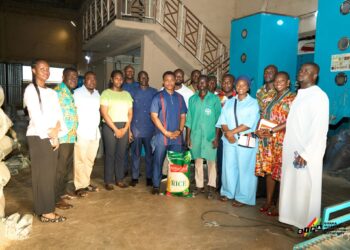
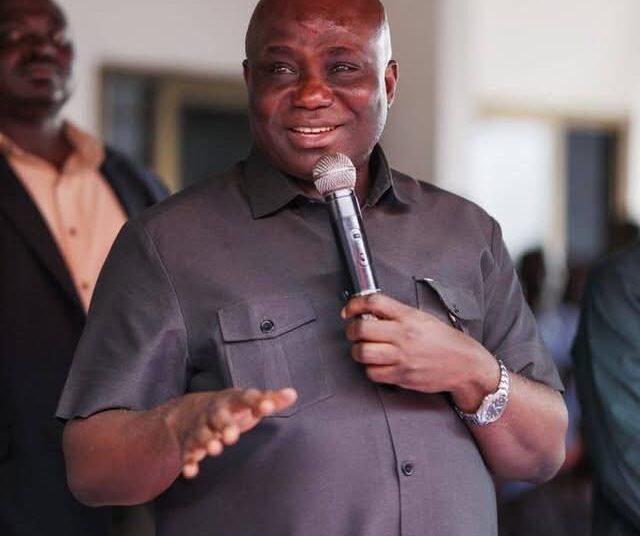
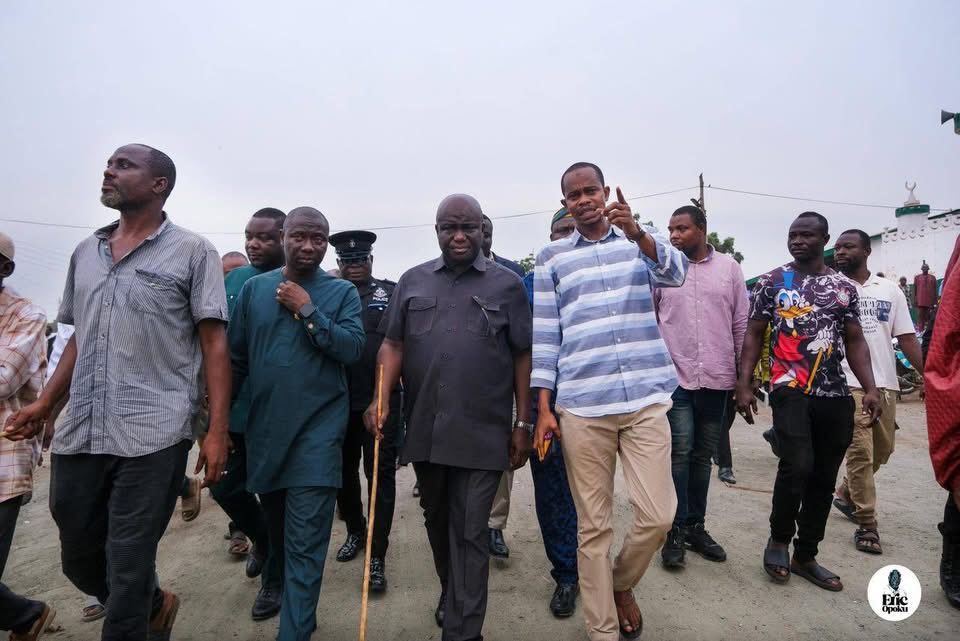
In a move described by industry veterans as “historic,” the Minister of Food and Agriculture, Hon. Eric Opoku, conducted an extensive working tour of the Ashaiman Tulaku Livestock Market, marking the first time a sector minister has officially toured the facility – the largest of its kind in West Africa – since its establishment in the 1960s.
The tour was not merely ceremonial; it served as a high-stakes reaffirmation of the Mahama administration’s commitment to the Livestock Development Project (LDP) and the broader “Feed Ghana,” agenda.
“I made a historic visit to the Ashaiman Tulaku livestock market – towards the Government’s commitment to the implementation of the Livestock Development Project (LDP). The project will boost meat and dairy production, introduce improved breeds, create jobs, and strengthen hygiene and safety standards across the sector”
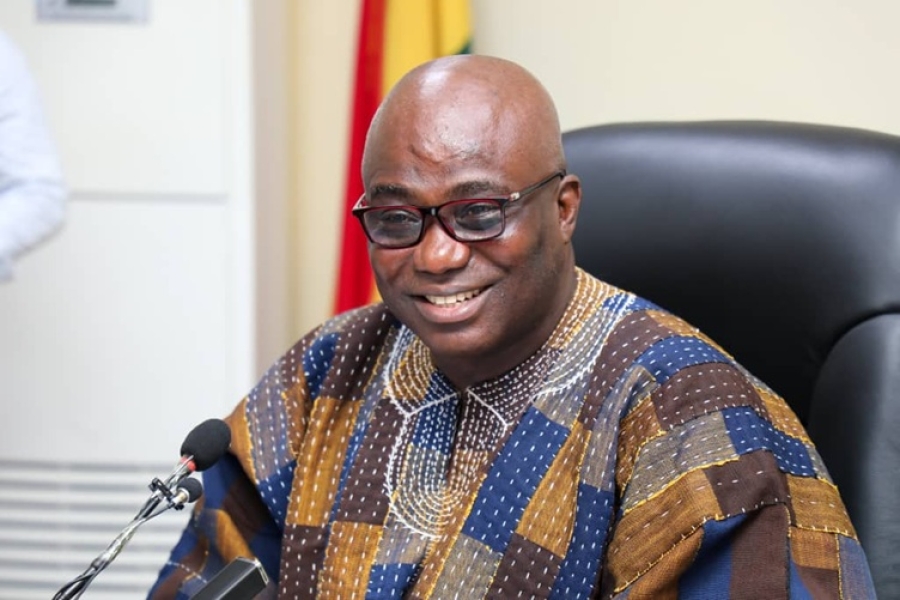
Hon. Eric Opoku, Minister of Food and Agriculture
The Ashaiman Tulaku market is a critical node in the regional sub-sector, serving as a 24-hour hub for livestock from Burkina Faso, Mali, Niger, and Nigeria. Despite its international significance and its role in providing livelihoods for over 80,000 people, the market has long struggled with infrastructure and sanitation deficits.
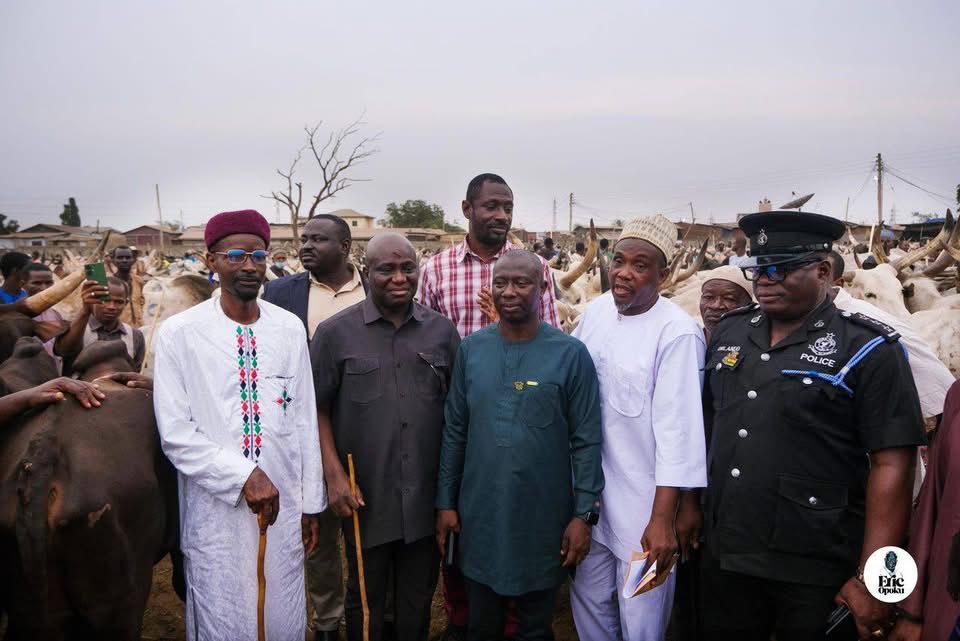
Hon. Opoku’s visit signaled a pivot toward modernization, aiming to transform the site into an ultra-modern agribusiness enclave. He explained that the Livestock Development Project (LDP) is designed to shift Ghana’s livestock industry from traditional subsistence to a high-value commercial model.
The implementation will focus on introducing superior breeds for cattle, piggery, and small ruminants, alongside the establishment of capacity-building centers. These centers are intended to equip herdsmen and traders with modern animal husbandry techniques to ensure consistency in meat and dairy quality.
Crucially, the government is eyeing a “Zero Waste,” circular economy within the market. Hon. Opoku revealed that a technical team is currently exploring the conversion of cow dung into organic fertilizer – a move that would turn a major sanitation headache into a lucrative secondary industry for the traders.
“The Project when implemented will focus on boosting meat and dairy production especially of cattle, piggery and small ruminants farming, introducing better breeds, and establishing capacity-building centers to enhance meat and dairy production”
Hon. Eric Opoku, Minister of Food and Agriculture
Immediate Interventions
Addressing the immediate “bottleneck,” challenges of security and hygiene, the Minister facilitated a swift donation of 50 streetlight bulbs to the market leadership.
This intervention is specifically designed to support the market’s 24-hour trade cycle, ensuring that transporters arriving from neighboring countries during the night can offload in a safe, well-lit environment.
Furthermore, to combat the chronic sanitation issues that plague the market during the rainy season, the Ministry of Food and Agriculture (MoFA) provided a mini dump waste truck and a GHS 30,000 grant to hire a payloader for emergency waste clearance “to ensure better hygiene and food safety standards.”
These measures are seen as interim steps toward the ultimate goal of constructing a modern slaughterhouse and a centralized meat processing facility.
The leadership of the Ashaiman Tulaku Livestock Traders Association expressed profound gratitude, noting that the Minister’s presence validated their decades of contribution to Ghana’s protein supply. Hon. Eric Opoku assured the traders that the Ministry would maintain an open-door policy, ensuring they are central to the redesign process of the market.
By integrating the LDP with the Big Push infrastructure drive, the government’s goal is to reduce Ghana’s heavy reliance on meat imports, which currently drains significant foreign exchange. The revitalized market is expected to become the centerpiece of an export-ready livestock value chain.
READ ALSO: Mandelson Retires From House Of Lords