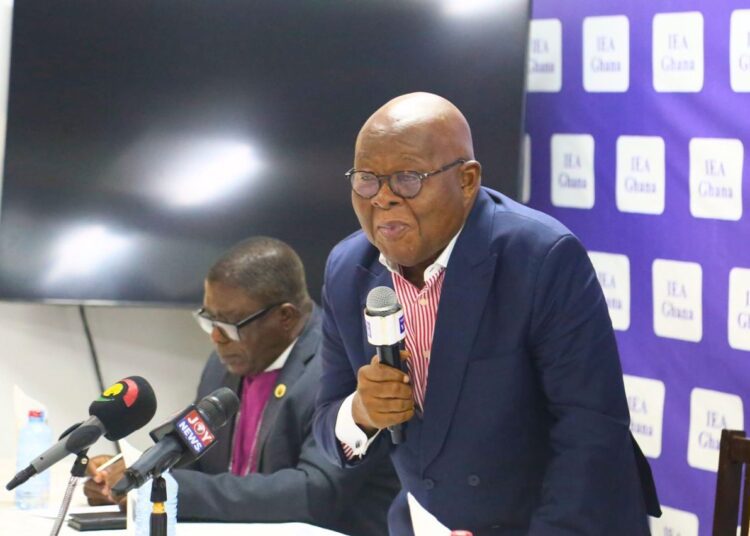
Former Speaker of Parliament and Institute of Economic Affairs (IEA) fellow, Rt. Hon. Professor Aaron Mike Oquaye, has renewed a scathing critique of Ghana’s persistent reliance on mineral royalties, describing the practice as an obsolete colonial heritage that keeps the nation in a cycle of economic servitude.
Addressing the long-standing disconnect between Ghana’s immense natural resource wealth and its frequent recourse to International Monetary Fund (IMF) bailouts, Pof. Mike Oquaye argued that the current fiscal regime is fundamentally flawed, serving only to enrich foreign entities while leaving the state with “minimal returns.”
“That this is a thing of the past. Ladies and gentlemen, you are entitled to also ask yourselves. If Dubai now would go from time to time, all these countries who have gone far with their oil, is that how they manage this? Did they just give it all away to some foreigners and then took royalties?.”
Rt. Hon. Professor Aaron Mike Oquaye
As Ghana navigates its latest economic recovery program, Oquaye insists that the time has come to link the country’s mineral assets including gold, lithium, and oil directly to the well-being of its citizens.
He contended that the “royalty-based” model, which typically sees the state collecting a mere 3% to 6% of gross production, is a relic of an era when colonial powers owned the land and its fruits.
He noted that while modern revolutions in industry and ICT have transformed the globe, Ghana’s extractive sector remains stuck in a mid-20th-century mindset, effectively “giving our natural resources away for free” instead of leveraging them to fund qualitative education, healthcare, and basic infrastructure.
Trap of Royalty Dependence and IMF Cycles
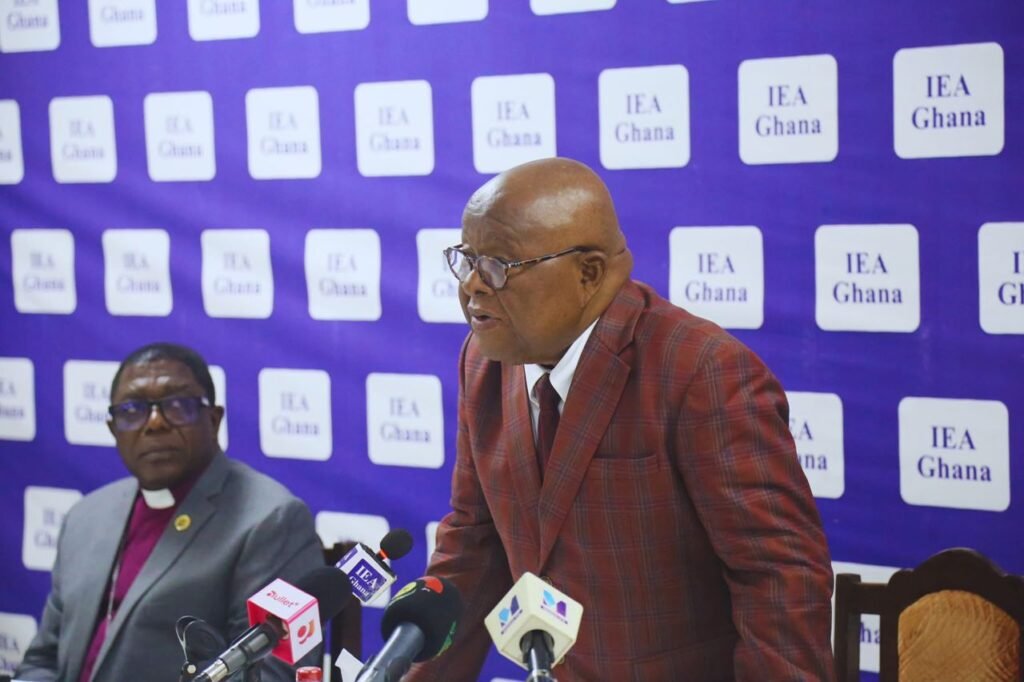
Unlike ownership models, royalties are tied to production volume rather than total profitability, meaning the state’s revenue fluctuates wildly with global commodity prices which Prof. Mike Oquaye believe disadvantaged the country.
He also pointed out that Ghana has turned to the IMF “70 bad times” because the current system fails to generate enough capital to lead a “good life” or maintain social safety nets like school feeding programs.
This perennial dependence on external borrowing is a direct symptom of failing to secure a significant stake in the value chain of the nation’s own minerals.
A Call for National Participation and Ownership
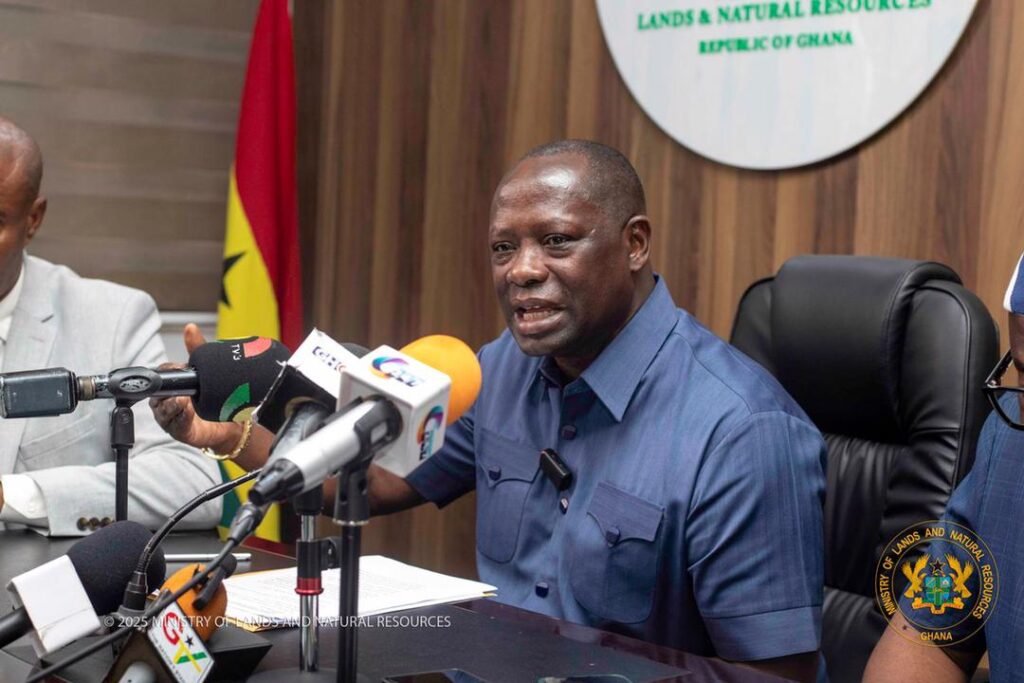
The former Speaker is advocating for a radical shift toward “national participation” or full ownership, similar to models seen in Norway or the emerging strategies in Mozambique.
He questions why Ghana continues to act as a “rent collector” when successful resource-rich nations retain controlling stakes and manage their resources through state-led entities.
In the context of the recent lithium debate, Oquaye dismissed concerns over potential financial losses from unratified contracts, arguing that national interest must supersede the “worries of lawyers.“
He stressed that without a move toward equity and ownership, the promised benefits of the “green revolution” will bypass Ghanaians just as previous booms did.
Designing a Sovereign Pathway for the Future
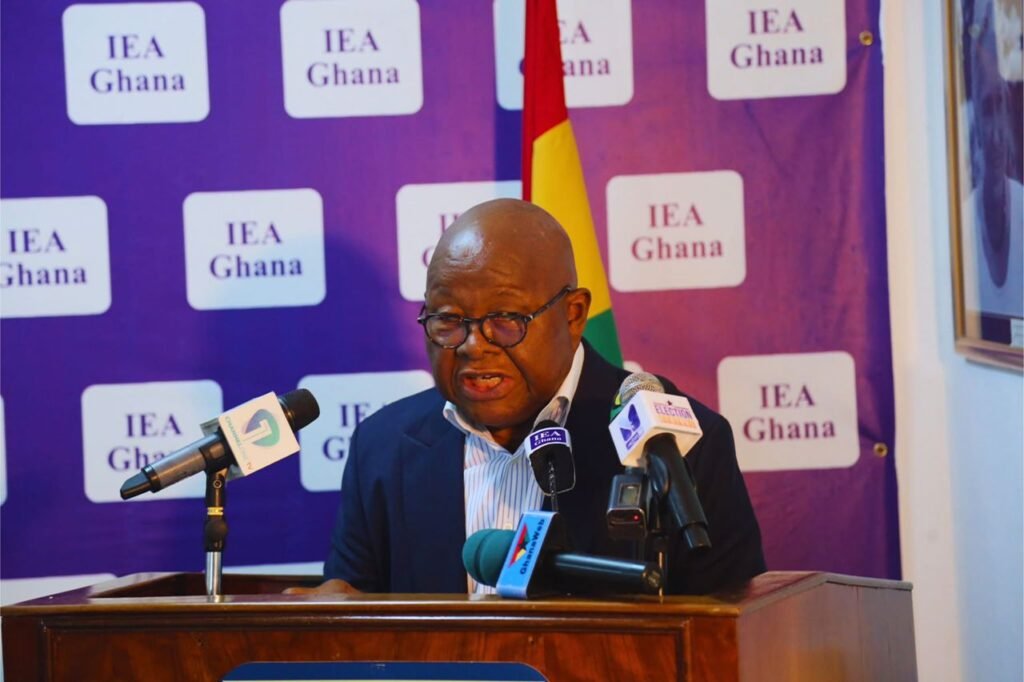
To break the cycle of “colonial arrangements,” Mike Oquaye and the IEA propose a ‘national conference’ to redefine Ghana’s relationship with its subsoil wealth.
This transition from being a passive recipient of royalties to an active owner would allow the state to fund “food, clothing, and shelter” naturally, without the strings of international lenders.
“What do you do with what you have when you are down?” Oquaye asked, urging the government to take a “hard look” at the lithium deals and other extractive contracts.
For Ghana to be truly “alright,” Mike Oquaye insisted that the nation must move beyond being a mere host for foreign capital and become the primary beneficiary of its own “gold, diamond, bauxite, manganese, and lithium.”
READ ALSO: Energy Commission Pushes Sustainable Cooling Agenda