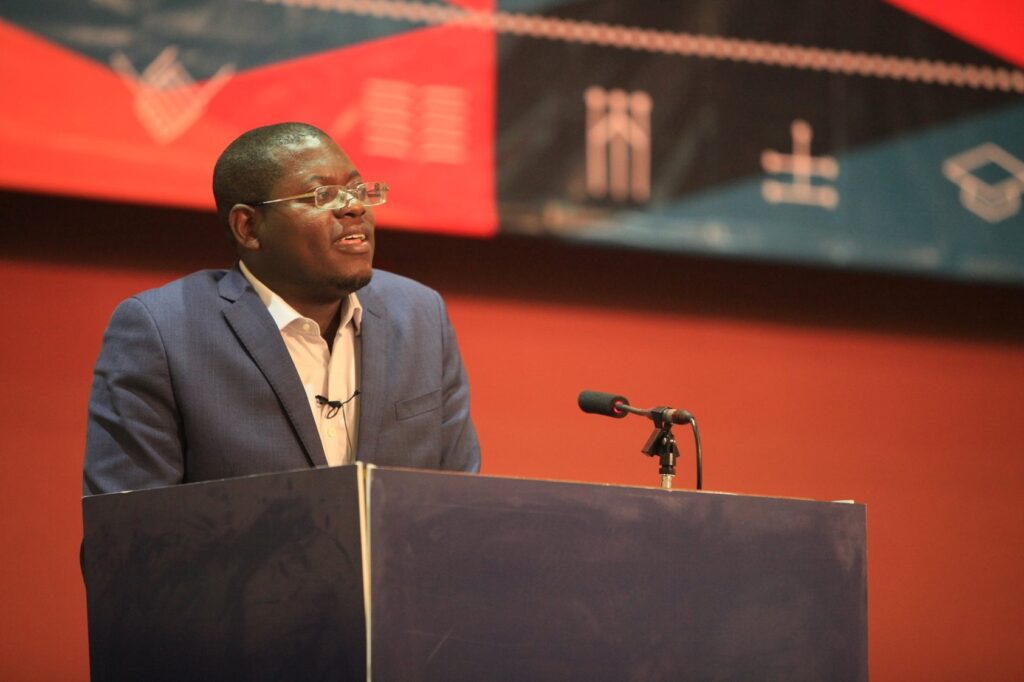
Bright Simons, Policy Analyst and Vice President of the IMANI Centre for Policy Education, has issued a clarion call to the Ghanaian public to exercise rigorous oversight over the country’s mineral resources, arguing that mining governance must not be left solely to corporate actors and state regulators.
According to the policy analyst, because all mineral deposits in Ghana are constitutionally vested in the presidency on behalf of the citizenry, any mismanagement, contractual manipulation, or opacity in the sector directly compromises national wealth.
“Why is any of this my business? Because in Ghana, all mining assets are ultimately public assets. Their governance thus requires all citizens to scrutinise happenings in the industry.”
Bright Simons
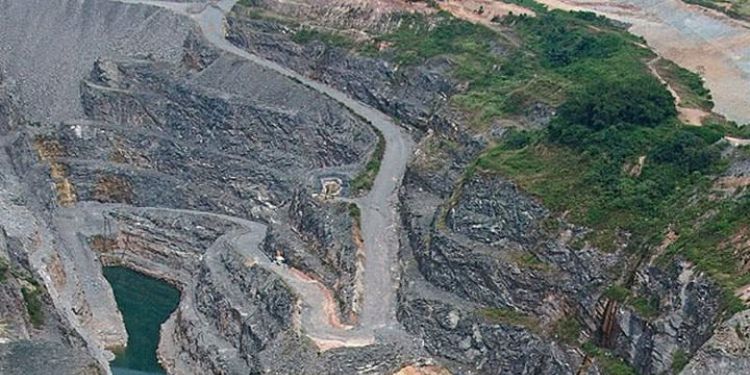
Bright Simons’ remarks come in the wake of a highly contentious corporate dispute involving local mining firm Engineers and Planners (E&P) and international investors over the ownership and development of the Black Volta gold project and its operating company, Azumah Ghana.
He cautions that the complex legal battles, allegations of document forgery, and sudden shifts in corporate control surrounding these strategic mineral reserves represent systemic vulnerabilities that require vigilant civic engagement.
By analyzing the breakdown of the multi-million-dollar deal, he highlights how regulatory loopholes can threaten the viability of high-value national assets.
Unpacking the Earn-In Agreement and Financial Default
Under the initial September 2023 contractual framework, E&P entered into what is technically classified as an “earn-in agreement,” allowing the local firm to progressively secure equity in the Black Volta project by fulfilling specific financial obligations.
The structure dictated that E&P’s capital injections would systematically retire existing debts in exchange for shares, while simultaneously requiring the company to raise over $200 million in developmental capital to unlock the mine’s full operational potential.
This planned capital mobilization was projected to escalate the asset’s market valuation by hundreds of millions of dollars. However, Bright Simons points out that E&P failed to secure even the initial $100 million “entry ticket” within the agreed timeframe, dragging the transaction out before finally completing the payment in October 2025.

This persistent capitalization delay, coupled with the inability to procure the critical $200 million development fund, prompted the foreign investors to terminate the deal.
E&P subsequently initiated arbitration before the International Chamber of Commerce (ICC), only to abruptly withdraw its claims in early September 2025.
The Controversial Share Transfer and Unmet Conditions
The dispute reached a boiling point on September 3, 2025, when the corporate secretary of Azumah Ghana transferred the investors’ shares to E&P.
This controversial transaction, which Simons notes was executed by an individual who “never invested a pesewa in the project,” triggered an immediate interim award from the arbitral tribunal against E&P.
The investors have vehemently challenged the legality of this transfer, alleging “forgery so crude” that the lead investor’s name was misspelled on official registry forms.
In an attempt to salvage the situation, both parties signed a “Confirmation Agreement” and a “Novation Agreement” on September 23, 2025. Yet, E&P reportedly missed the critical 24-hour and 72-hour payment deadlines.
Crucial elements including cleared-funds verification, liability costs, default interest, a perpetual unlimited indemnity, and a personal guarantee from E&P’s head, Ibrahim Mahama remained unfulfilled.
Furthermore, E&P has issued conflicting narratives; while telling the Ghanaian public it has fully assumed operations of Azumah Ghana, its legal counsel informed global media outlet Semafor that the firm is “neither occupying nor operating” the concession.
Why Citizens Must Monitor National Resource Governance
Beyond the immediate legal skirmishes of the Azumah Ghana saga, a broader socio-economic reality underscores the necessity of public vigilance over mineral concessions.
In resource-rich developing nations like Ghana, mineral wealth represents a critical sovereign anchor that funds infrastructure, healthcare, and education.
When private entities engage in disputes that stall the development of major deposits, the state suffers substantial opportunity costs in unrealized royalties, corporate taxes, and employment generation.
Robust citizen oversight prevents the “resource curse” a phenomenon where abundant natural resources lead to institutional decay, corruption, and economic stagnation due to lax monitoring.

Environmental degradation and community displacement also require public scrutiny to ensure that mining operations adhere to sustainable practices and that local communities are adequately compensated.
By actively tracking corporate compliance and demanding transparency in joint ventures, civil society and individual citizens act as vital checks against predatory practices, ensuring that national gold reserves actively benefit the public treasury rather than serving the narrow interests of well-connected corporate elites.
Ultimately, because mining concessions impact macro-fiscal stability, every citizen holds a legitimate stake in ensuring that legal commitments are fully honored.
READ ALSO: Ato Forson to Reveal Ghana’s Next Fiscal Strategy in Crucial July 23 Mid-Year Budget