Ghana’s latest petroleum import profile reveals a reality that is often overshadowed by the growing attention on solar projects, electric mobility, natural gas expansion and future nuclear ambitions: the country’s economic engine is still being powered overwhelmingly by petroleum products.
The data point to a fuel structure in which diesel, petrol and liquefied petroleum gas (LPG) continue to dominate energy consumption across transport, industry, commerce and households.
The significance of the trend lies not simply in the volume of imports, but in what it says about the stage Ghana has reached in its energy transition.
The evidence suggests that Ghana is not yet experiencing a meaningful displacement of petroleum demand.
Instead, the country appears to be adding new energy sources while existing fossil-fuel consumption remains resilient.
This distinction matters because it changes the policy question.
The challenge is no longer whether Ghana is investing in cleaner energy; it is whether those investments are beginning to alter the underlying structure of national energy demand.
Diesel remains the economy’s anchor fuel
Among all imported petroleum products, diesel continues to occupy the most strategically important position in the economy.
Mining operations, haulage fleets, construction equipment, agricultural machinery, manufacturing plants and backup power systems all depend heavily on diesel.

As a result, the country’s productive capacity remains closely tied to international gasoil prices and the cedi-dollar exchange rate.
When diesel prices rise, the effects extend far beyond the fuel station.
Transport costs increase, food distribution becomes more expensive, construction margins tighten and industrial operating costs come under pressure.
The import profile shows that diesel is not merely a transport fuel; it is a foundational economic input whose price influences production, logistics and inflation across the economy.
Ghana Statistical Service
This helps explain why movements in global refined-product markets continue to have such a powerful effect on Ghana’s inflation outlook and business environment.
Petrol demand is proving more resilient than expected
The persistence of strong petrol demand is equally revealing.
Public discussion increasingly focuses on electric vehicles and cleaner transport technologies, yet the import profile suggests that conventional road transport still dominates mobility patterns.
The vehicle fleet remains overwhelmingly petroleum-powered, and the pace of electrification is still too limited to materially affect national fuel consumption.
This is not unusual for a developing economy. New technologies can grow rapidly in percentage terms while remaining small in absolute terms.
The data therefore caution against assuming that early growth in electric mobility is already transforming the transport energy mix.
For now, petrol remains deeply embedded in household and commercial transportation.
LPG is growing, but it is not reducing import dependence
The rise in LPG demand points to another important shift.
Ghana’s clean-cooking agenda appears to be gaining traction as households and businesses increasingly adopt LPG in place of traditional biomass fuels.
From a public-health and environmental perspective, this is a positive development.
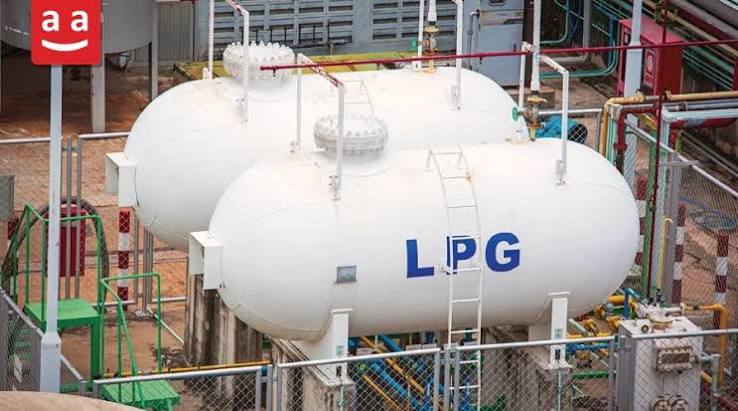
However, the import profile also reveals a paradox: a cleaner household fuel is being supplied largely through imported energy.
In other words, Ghana may be reducing dependence on charcoal and firewood while simultaneously increasing dependence on international LPG markets.
The implication is that the clean-cooking transition is not automatically a transition toward greater energy self-sufficiency.
Renewables are growing, but they are not yet displacing petroleum
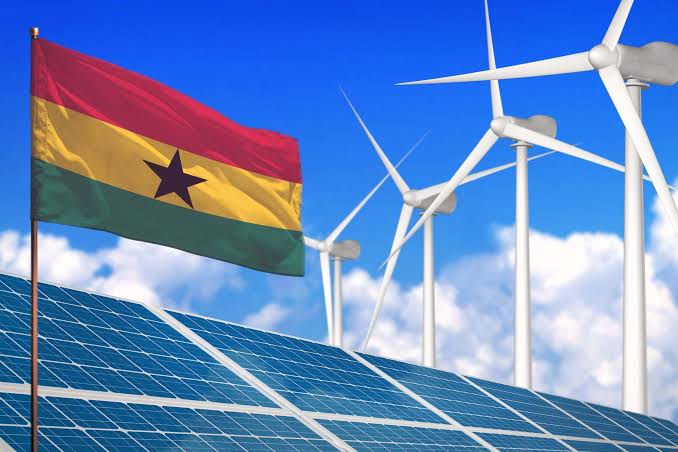
Ghana has expanded utility-scale solar projects, rooftop programmes and other renewable-energy initiatives.
Natural gas infrastructure has also grown significantly.
Yet the import data suggest that these developments have not yet produced a measurable reduction in petroleum demand.
This points to a transition characterised more by energy addition than energy substitution.

New sources of electricity are being introduced, but they are not yet replacing large volumes of diesel and petrol consumption in transport, industry and distributed power use.
The distinction is crucial for long-term planning.
An energy system can become cleaner at the margin while remaining structurally dependent on imported petroleum products.
The foreign-exchange exposure remains substantial
The continued dominance of imported fuels has important macroeconomic consequences.
Every additional litre of imported petrol, diesel or LPG requires foreign currency.

When global oil prices rise or the cedi weakens, the pressure is transmitted directly into the import bill and eventually into domestic fuel prices.
This is why petroleum dependence is not only an energy-sector issue; it is also a foreign-exchange and economic-management issue.
The import profile suggests that Ghana’s energy demand remains highly exposed to external shocks, including geopolitical disruptions, shipping constraints and movements in international refined-product markets.
A transition that requires sequencing, not slogans
The deeper lesson from the data is that successful energy transitions are rarely driven by a single technology or policy announcement.
For Ghana, the transition is likely to depend on the sequencing of several interconnected reforms.
Domestic refining must become more reliable and commercially sustainable.
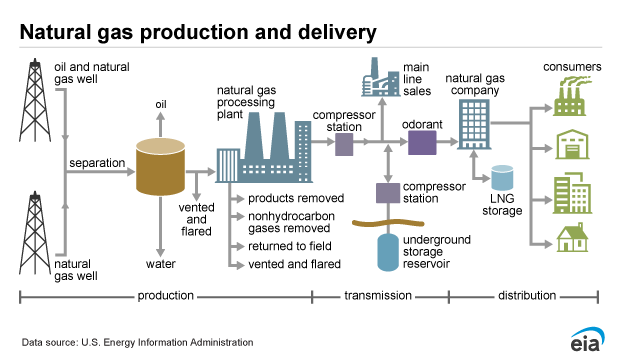
Natural gas utilisation needs to expand where it can reduce the use of more expensive liquid fuels.
Renewable energy must grow faster, but it must also be integrated into a system that can provide reliable power for industry.
Energy-efficiency measures need to reduce waste across buildings, transport and manufacturing.
Over time, transport electrification will have to move beyond pilot programmes and begin affecting fuel demand at scale.
None of these changes will happen quickly, and the import data show that the economy is still in the early stages of that transformation.
The strategic question for Ghana
The most important insight from the petroleum import profile is not that Ghana imports fuel; that has long been known.
The deeper insight is that petroleum demand is continuing to grow while domestic alternatives are not yet scaling fast enough to change the overall balance of the energy system.
This creates a strategic challenge for policymakers.
If refinery expansion, gas development, renewable deployment and efficiency improvements are pursued in a coordinated manner, Ghana could gradually reduce the foreign-exchange intensity of its energy system and strengthen long-term energy security.
If those reforms remain fragmented, rising energy demand could translate into a steadily larger import bill and greater vulnerability to external shocks.
The transition is therefore not simply about adding cleaner energy. It is about changing the structure of energy dependence.
For an economy seeking industrial transformation, the decisive question is whether future growth will continue to be powered mainly by imported petroleum products, or whether Ghana can build a more diversified system in which domestic refining, natural gas, renewable electricity and efficiency gains begin to reduce the country’s exposure to global fuel and currency volatility.
The latest import data suggest that the journey has begun, but the destination remains some distance away.
READ ALSO: Arsenal and Emirates Renew Partnership in a Long-Term Deal