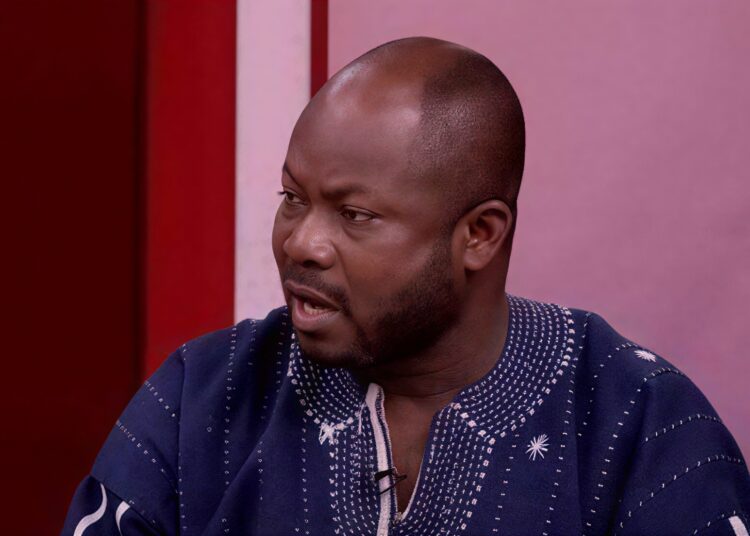
The Deputy Secretary of NPP, Haruna Mohammed has criticised the government’s handling of the opposition’s petition, arguing that the manner in which it was received undermines the significance of the demonstration. He indicated that assigning a presidential staffer to accept the petition failed to match the stature of the delegation that presented it.
Mr Mohammed explained that the demonstration was organised in response to the politically motivated persecution, selective application of justice and disregard for due process. According to him, these developments pose a serious challenge to democratic governance and the effective functioning of state institutions.

Addressing the government’s response, the Deputy Secretary contended that the Presidency ought to have demonstrated greater commitment by assigning a more senior official to receive the petition. He argued that the event brought together the full leadership of the New Patriotic Party alongside representatives from other political parties, making the occasion deserving of higher official recognition.
“The entire party leadership appeared before the Presidency. The Presidency should have respected that leadership by sending a very senior officer to receive our petition.”
Haruna Mohammed
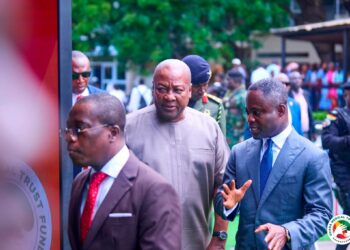
Furthermore, Mr Mohammed noted that the delegation included General Secretary Justin Kodua Frimpong, Minority Leader Alexander Afenyo-Markin, Members of Parliament and other senior executives of the party. He observed that representatives of the People’s National Convention and other opposition parties also joined the demonstration in solidarity.
From his perspective, the composition of the delegation alone required a response that reflected the importance of the issues presented. He argued that the government’s approach creates the impression that it is unwilling to engage the opposition on matters affecting Ghana’s democratic institutions.
Analysing the events, the Deputy Secretary intimated that the demonstration is on strengthening democracy through fairness and accountability. He emphasised that the petition highlighted issues which, if left unattended, could weaken public confidence in governance and constitutional rule.

Additionally, Mr Mohammed asserted that democratic engagement flourishes when opposing political parties receive equal recognition from state institutions. He explained that meaningful dialogue becomes possible when government demonstrates readiness to listen to differing political viewpoints.
Against this backdrop, the NPP official interpreted the reception of the petition as an indication that sufficient priority has not been attached to the opposition’s message. He added that public institutions should always create room for constructive engagement, particularly when national governance is under discussion.
Moreover, Mr Mohammed referenced a Dagomba proverb to illustrate his disappointment with the government’s response. He conveyed that the manner in which an issue is received often reveals the level of commitment attached to resolving it.
Equal Justice Must Guide Every Court Decision, Opposition Insists
The Deputy Secretary of the New Patriotic Party, Haruna Mohammed also alleged that recent judicial decisions have raised questions about fairness in the administration of justice. He argued that the party’s petition calls for constitutional processes to be applied consistently to every citizen, irrespective of political affiliation.
Mr Mohammed explained that the demonstration is to urge the government and the judiciary to uphold due process in every legal proceeding. He indicated that prosecutions should be based on evidence and the law, while political considerations should never influence judicial outcomes.
Discussing the issues raised in the petition, the Deputy Secretary identified three areas that require urgent attention, namely politically motivated persecution, selective application of justice and disregard for due process. He argued that public confidence in the justice system depends on institutions applying the law fairly and impartially.
“The Constitution gives clear guidance on due process. Every citizen is equal before the law, and justice should never be selective.”
Haruna Mohammed
Furthermore, Mr Mohammed referred to the legal proceedings involving Kwame Baffoe, popularly known as Abronye DC, to illustrate what he believes are inconsistencies in judicial decisions. He argued that comments made during one of the judgments departed from the constitutional principle that every Ghanaian stands equal before the law.
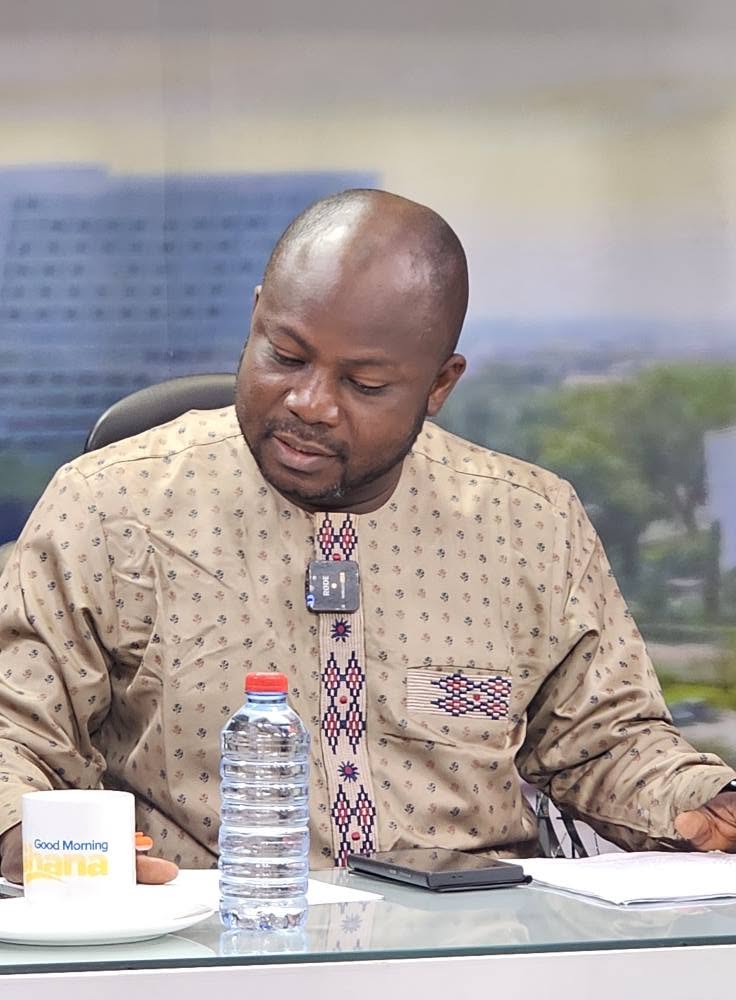
According to the Deputy Secretary, the judge’s reference to Animal Farm and comparisons with the rule of Idi Amin attracted widespread public discussion following the ruling. He added that the judge was later elevated to the High Court, a development that the party believes raises further questions about accountability within the judicial system.
Turning to a subsequent case involving Abronye DC, Mr Mohammed argued that the decision to rearrest him after he has been granted bail undermines confidence in due process. He contended that the explanation that another offence might be committed amounted to prejudging a matter that has not yet been determined by the court.
Additionally, the Deputy Secretary cited the case involving Baba Amando before Court 9, where he claimed to have witnessed proceedings in person. He recounted that Minority Leader Alexander Afenyo-Markin represented the accused, while the prosecution did not oppose bail during the hearing.
Mr Mohammed further alleged that the presiding judge took the initiative to ask prosecutors how much time they required to complete investigations before ordering that Baba Mandu be remanded in custody. He argued that such developments have fuelled perceptions that some courts handle politically related matters differently from others.
READ ALSO: Ghana Urged to Sovereign Fund High Gold Receipts Against Shocks