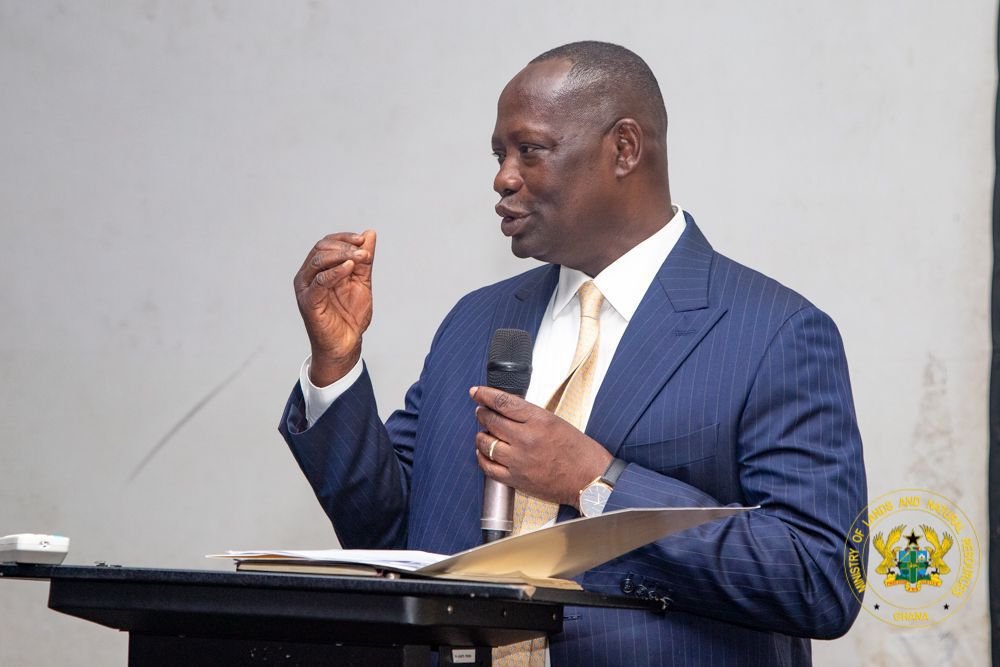
Reindolf Ofosu-Hene, the Head of Natural Resources at Absa CIB Ghana, has identified the discovery of lithium in commercial quantities as a transformative “new frontier” for the nation’s extractive industry.
He argued that this discovery provides a strategic pathway for Ghana to diversify its mineral base and reduce its heavy reliance on gold, which currently accounts for nearly 90% of total mineral export revenue.
By shifting focus toward critical minerals like lithium, manganese, and bauxite, the state aims to leverage its current gold windfall to build a more resilient and balanced mining economy that can withstand global price cycles and geopolitical shifts.
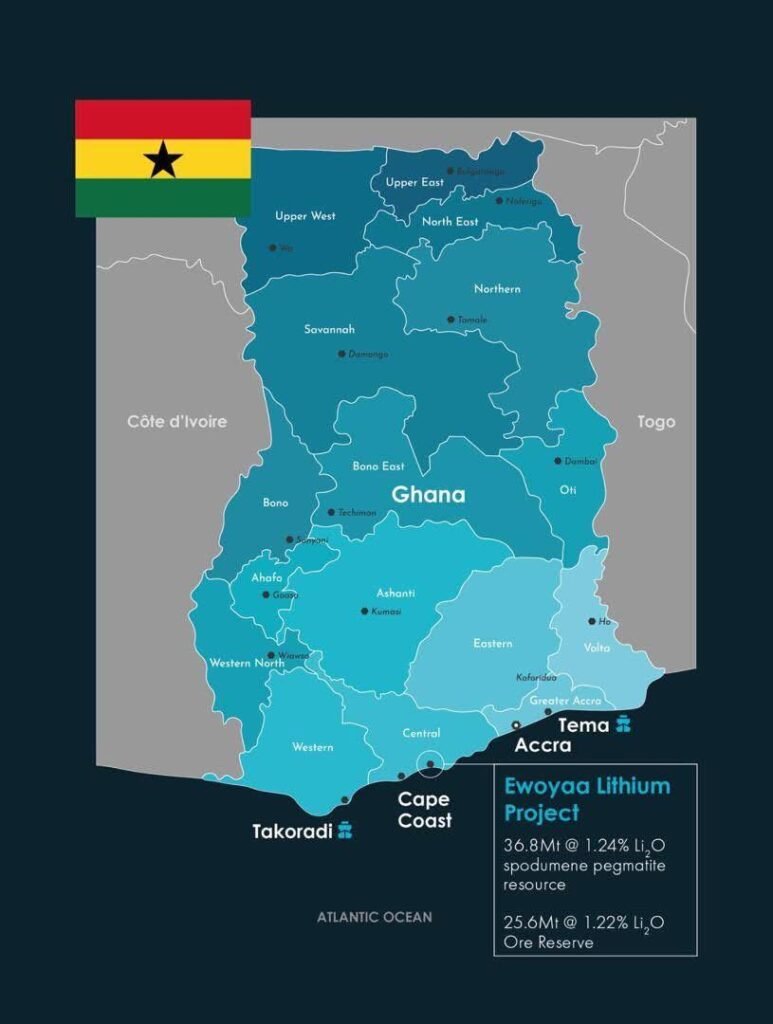
“Lithium discoveries in commercial quantities have opened a new frontier, though subdued international prices have delayed full-scale development. The underlying intent is clear: to use the current gold windfall to finance a transition toward a more balanced and resilient mining economy.”
Reindolf Ofosu-Hene
The emergence of this frontier is supported by a sweeping reform agenda designed to align Ghana’s fiscal terms with modern industrial standards and the Africa Green Minerals Strategy.
Key reforms include the transition to time-bound licenses where renewals are strictly tied to social and environmental performance and the implementation of local content laws that reserve specific mining activities for Ghanaian entities.
Specifically, 100% of surface mining contracts must now be held by Ghanaian companies, while underground operations require a minimum of 30% local ownership.
These measures, combined with a move to redirect revenue flows directly to host communities through fixed-percentage contributions, signal a departure from the old era of centralized and discretionary development agreements.
Leveraging Value Addition for National Prosperity
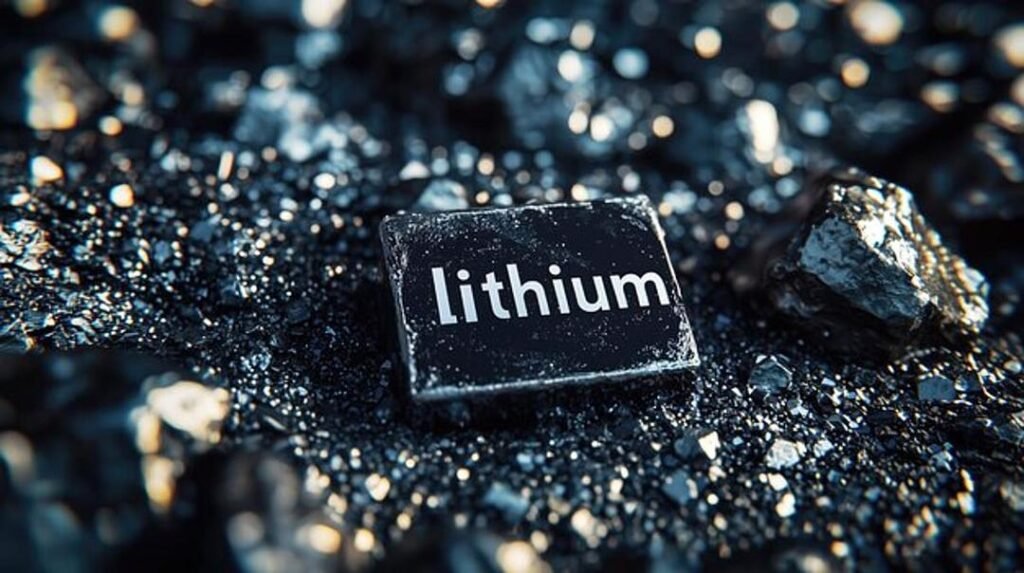
According to Ofosu-Hene, the primary profit for Ghana lies not just in the extraction of lithium ore but in the development of a downstream value chain.
By moving beyond raw exports, Ghana can attract investment into processing and manufacturing, which creates higher-paying jobs and develops specialized technical skills within the local workforce.
This strategy is essential to avoid the “raw material trap” and ensures that the country captures a larger share of the global battery and electric vehicle (EV) market.
The expert emphasizes that creating an integrated value chain is the only way to turn mineral wealth into sustainable socio-economic development.
Strengthening Fiscal Resilience and Community Stakes
The new framework replaces centralized revenue management with a more transparent system that empowers host communities.
By mandating fixed-percentage contributions, the state ensures that the benefits of lithium mining are “anchored visibly” in the local economies where the resources are found.
This approach reduces the risk of social unrest and ensures that mining projects contribute to long-term infrastructure and social services.
Furthermore, the review of stability agreements allows the government to adjust fiscal terms in real-time to match project lifecycles, ensuring the nation remains competitive while maximizing its tax and royalty intake.
Rebuilding Investor Confidence Through Predictability
Ofosu-Hene highlights that Ghana’s strengthening investment climate is a direct result of pragmatic policy and macroeconomic stability.
The recent appreciation of the cedi and the rebuilding of foreign reserves have provided the “financial predictability” that large-scale mining investors require.
By creating a jurisdiction where regulation and macro management reinforce each other, Ghana is positioning itself as a top-tier destination for capital-intensive projects.
This stability is crucial for attracting the international partnerships needed to develop new frontiers like copper exploration and high-capacity manganese production alongside the burgeoning lithium sector.
READ MORE: Agribusiness Chamber Demands Immediate Food Price Reductions