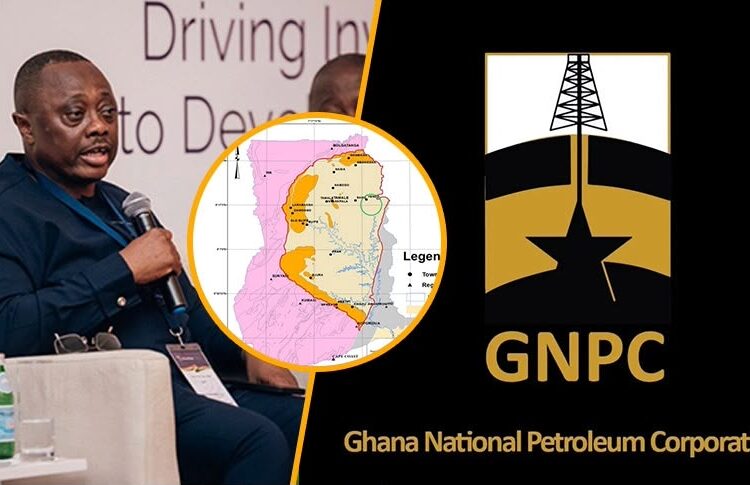
Ghana is reinforcing its drive to position itself as a regional petroleum and energy investment destination, with the Ghana National Petroleum Corporation (GNPC) joining African national oil companies in a renewed continental effort to mobilise financing, expand refining capacity and strengthen intra-African energy cooperation.
The move comes as preparations gather momentum for the eighth African Petroleum Producers’ Organisation (APPO) National Oil Company Chief Executives Forum, which will be held during African Energy Week (AEW) 2026 in Cape Town.
It also complements Ghana’s broader plans to showcase its upstream petroleum opportunities, gas infrastructure projects and investment pipeline at the same event.
GNPC’s participation signals Ghana’s intention not only to attract fresh upstream investment but also to influence conversations around how African countries finance and develop their petroleum resources amid tightening global capital for fossil fuel projects.
Continental financing takes centre stage

A key issue expected to dominate discussions is the operationalisation of the African Energy Bank (AEB), an institution being established by APPO and the African Export-Import Bank (Afreximbank) to provide African-led financing for oil, gas and energy projects.
The initiative comes as many international financial institutions continue to scale back support for fossil fuel developments despite Africa’s relatively low contribution to global greenhouse gas emissions and its persistent energy access deficit.
According to Norvan Reports, the information released ahead of African Energy Week, the forum will focus on financing mechanisms that can unlock investment across upstream oil and gas, refining, petrochemicals and strategic infrastructure while strengthening energy security across the continent.
The forum will focus on advancing the African Energy Bank, expanding refining capacity and strengthening intra-African collaboration among national oil companies.
African Energy Week organisers
For Ghana, the discussions are particularly significant. The country has repeatedly stressed the need for a balanced energy transition that protects petroleum investments while expanding renewable energy and improving energy access.
GNPC’s participation aligns with Ghana’s investment agenda
GNPC’s attendance also aligns with Ghana’s broader participation at African Energy Week, where the country is expected to market several strategic investment opportunities to global financiers and industry players.
As previously announced, Ghana will showcase new exploration acreage, gas infrastructure opportunities, mature field optimisation projects and broader upstream investment prospects as part of efforts to attract fresh capital into the petroleum sector.

That investment drive has become increasingly important as Ghana works to reverse years of declining crude oil production while sustaining investor confidence in its upstream industry.
Recent drilling successes at the Jubilee Field, ongoing appraisal activities and renewed exploration programmes have strengthened optimism that production can stabilise if supported by continued investment.
By participating in both the investment showcase and the APPO chief executives’ forum, Ghana is effectively pursuing two complementary objectives: attracting private capital into domestic projects while helping shape continental financing solutions capable of supporting Africa’s long-term energy ambitions.
Refining remains a strategic priority
Beyond upstream production, another major priority expected to feature prominently at the forum is Africa’s refining deficit.
Despite being a major producer of crude oil, the continent still imports a significant proportion of its refined petroleum products, exposing many economies to volatile international fuel prices, foreign exchange pressures and supply disruptions.

Industry leaders argue that expanding refining capacity within Africa could help retain greater economic value, strengthen energy security and create employment across the petroleum value chain.
The discussions also resonate with Ghana’s own ambition to establish itself as a regional petroleum hub.
Government has continued efforts to promote investment across refining, storage, logistics and downstream petroleum infrastructure while positioning the country as a gateway for petroleum trade in West Africa.
Strengthening regional refining capacity could complement those ambitions by creating new markets for crude supplies, supporting petrochemical industries and improving supply resilience across the sub-region.
The forum will explore strategies to expand refining capacity, strengthen regional collaboration and unlock investment across Africa’s petroleum value chain.
African Energy Week organisers
African collaboration gaining momentum
GNPC’s participation also reflects a broader trend toward deeper cooperation among African petroleum producers.
National oil companies are increasingly looking beyond national borders to develop common responses to financing constraints, energy security concerns and changing global investment patterns.
Greater collaboration is expected in areas including technology transfer, petroleum infrastructure, gas monetisation, local content development and knowledge sharing among state-owned energy institutions.
Such cooperation has become increasingly important as African producers seek to maximise the value of existing hydrocarbon resources while preparing for a more diversified energy future.
Rather than competing individually for shrinking pools of international capital, policymakers believe stronger continental coordination could improve Africa’s bargaining position and create more sustainable financing mechanisms.
Balancing investment with the energy transition
The discussions also come at a time when many African governments continue to advocate for a pragmatic energy transition that reflects the continent’s development needs.
While supporting cleaner energy, African producers have consistently argued that oil and natural gas will remain critical to industrialisation, electricity generation, economic growth and poverty reduction for decades to come.
For Ghana, that balancing act has become central to national energy policy.
Alongside investments in renewable energy, electric mobility and energy efficiency, the country continues to pursue new upstream investment, gas processing infrastructure and petroleum development projects designed to strengthen energy security and generate fiscal revenues.
Participation in the APPO forum therefore extends beyond petroleum production alone. It provides Ghana with an opportunity to contribute to broader continental discussions on how Africa finances its energy future, develops its natural resources and strengthens regional cooperation at a time of rapidly evolving global energy markets.
As African Energy Week approaches, Ghana’s strategy appears increasingly clear: attract investment into domestic projects while supporting African-led institutions capable of financing the continent’s own energy priorities.
By aligning GNPC’s participation with its wider investment promotion efforts, Ghana is positioning itself not only as an investment destination but also as an active contributor to Africa’s evolving energy architecture.
READ ALSO: 26% of Ghanaian Youth Abuse Drugs Before 15