Ghana is stepping up efforts to transform its downstream petroleum industry through expanded local refining, stronger investment in energy infrastructure and policies aimed at extracting greater value from the country’s petroleum resources, as government intensifies its drive to position the country as a leading energy hub in West Africa.
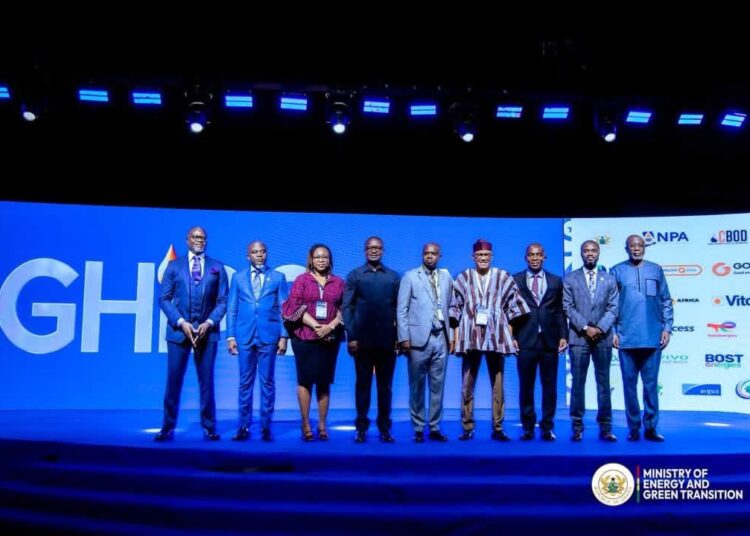
The renewed direction was outlined by the Minister for Energy and Green Transition, Dr. John Abdulai Jinapor, during the Ghana International Petroleum Conference (GHiPCON) 2026, where government, regulators, international oil companies, financiers and industry leaders gathered to deliberate on the future of Ghana’s petroleum industry.
The conference comes at a pivotal moment for Ghana’s energy sector. While recent drilling campaigns have helped reverse declining crude oil production, government is increasingly shifting attention towards strengthening the downstream segment of the industry by expanding refining capacity, encouraging local value addition and reducing dependence on imported petroleum products.
The strategy reflects a broader objective of ensuring that Ghana derives greater economic benefits from its hydrocarbon resources by processing more of its crude locally, strengthening industrial growth and creating new employment opportunities across the petroleum value chain.
Local refining central to government’s strategy
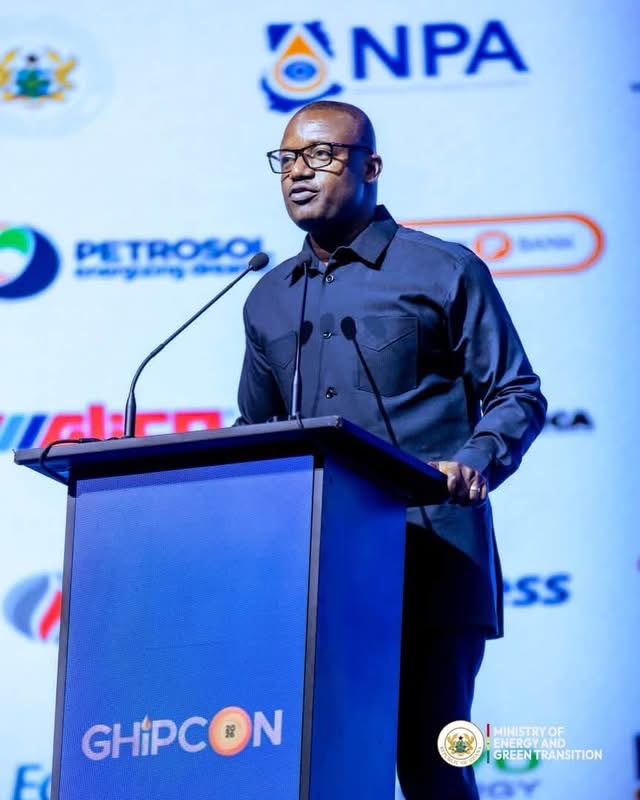
Delivering the keynote address, Dr. Jinapor said the future competitiveness of Ghana’s petroleum industry would depend not only on the country’s natural resource endowment but also on policy certainty, investor confidence and sustained investment in critical infrastructure.
Ghana’s energy future will be shaped not only by our natural resources, but by the quality of our policies, the confidence of investors and our willingness to invest in infrastructure, technology and local refining. Building resilience today is essential to securing our energy needs and driving long-term economic growth.
Dr. John Abdulai Jinapor, Minister for Energy and Green Transition
The Minister reiterated government’s commitment to expanding domestic refining capacity as part of President John Dramani Mahama’s broader vision of building a more integrated petroleum industry.

According to him, strengthening local refining remains essential for improving energy security, creating jobs and retaining more value from Ghana’s petroleum resources within the domestic economy.
The policy direction complements recent government decisions to allocate portions of Ghana’s indigenous Jubilee crude to local refineries, including the Tema Oil Refinery (TOR), as authorities seek to strengthen the link between upstream production and downstream processing.
In recent months, TOR has received successive one-million-barrel crude consignments, including Jubilee crude, under government’s renewed efforts to revive domestic refining operations.
Building a competitive downstream industry
Dr. Jinapor noted that recent progress in increasing crude oil production demonstrates government’s determination to support both upstream growth and downstream industrialisation.
Our recent progress of increasing crude oil production, and the strategic allocation of Jubilee crude to local refineries demonstrate our resolve to add value to our own resources, enhance energy security, and create jobs for Ghanaians.
Dr. John Abdulai Jinapor
Industry analysts have long argued that exporting crude while importing refined petroleum products limits the economic benefits derived from Ghana’s petroleum sector.

Local refining has therefore become an increasingly important component of government’s energy strategy, with policymakers seeking to strengthen domestic processing capacity while supporting petrochemicals, storage infrastructure, logistics and associated downstream services.
Expanding refining capacity is also expected to reduce exposure to international supply disruptions and foreign exchange pressures associated with importing finished petroleum products.
Government believes a stronger downstream industry will not only improve fuel security but also create opportunities for private investment across multiple segments of the petroleum value chain.
Investor confidence remains critical
Beyond infrastructure development, the Minister stressed that maintaining investor confidence would remain fundamental to the sector’s long-term growth.
The downstream petroleum industry requires significant capital investment, technological expertise and long-term financing to expand refining facilities, storage terminals, pipelines and distribution networks.
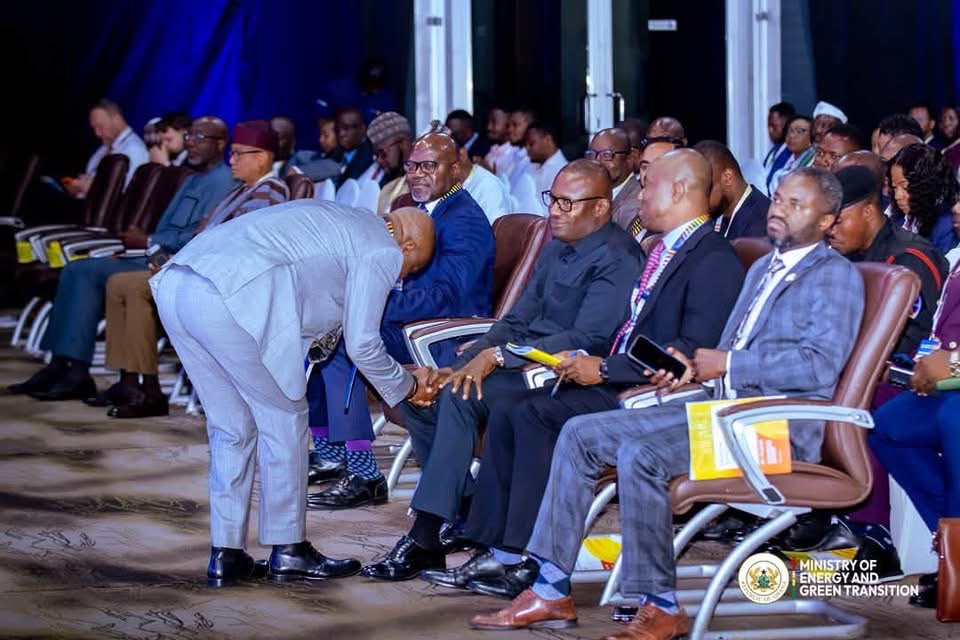
Government therefore continues to emphasise regulatory stability and policy consistency as essential conditions for attracting both domestic and international investment.
This approach aligns with recent engagements between the Ministry of Energy and Green Transition and several international energy companies, where discussions have focused on upstream investment, gas development, renewable energy integration and petroleum infrastructure expansion.
Officials believe strengthening partnerships between government and the private sector will be necessary to accelerate implementation of major energy projects while supporting industrial development.
West African energy hub ambition
The downstream strategy also forms part of Ghana’s broader ambition to become a regional petroleum and energy hub.
Government has consistently argued that the country’s strategic location, expanding petroleum infrastructure, stable regulatory environment and growing energy market position it to serve not only domestic demand but also neighbouring countries across West Africa.
At GHiPCON, Dr. Jinapor said sustained collaboration between public institutions and industry stakeholders would be critical to achieving that objective.
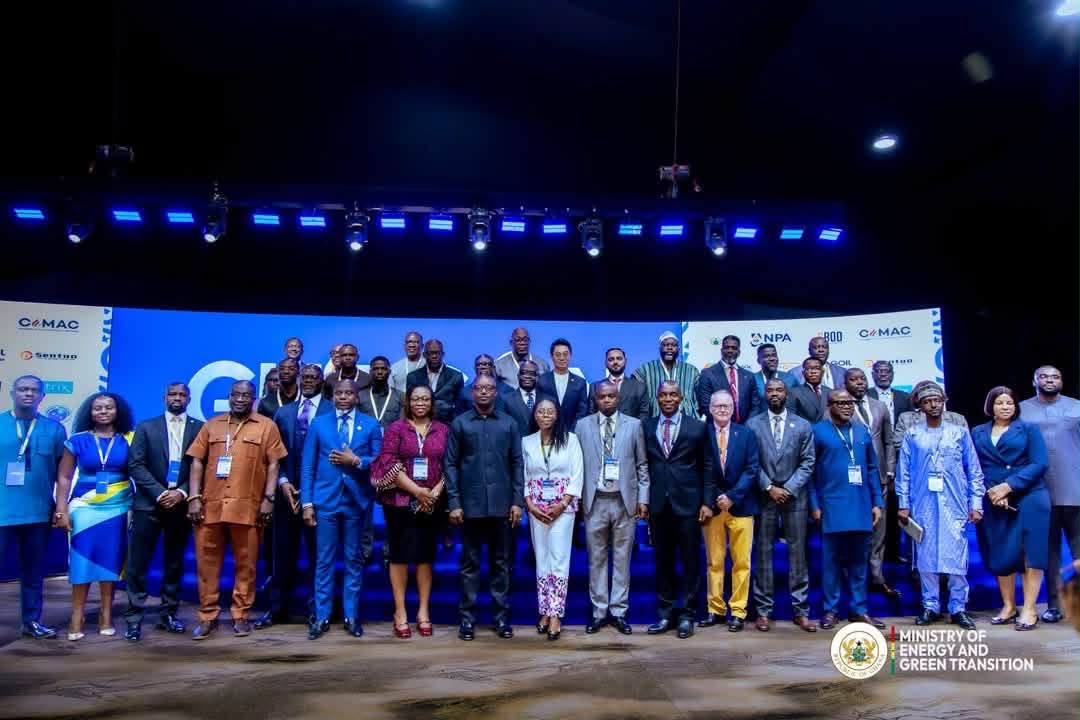
With sustained collaboration between government and industry, Ghana is well positioned to build a more competitive downstream sector and strengthen its role as a leading energy hub in West Africa.
Dr. John Abdulai Jinapor
The remarks reinforce similar messages delivered throughout the conference, where regulators and industry leaders highlighted the importance of investment, local content development and regional cooperation in strengthening Ghana’s petroleum industry.
As countries across Africa seek to balance energy transition objectives with continued investment in oil and gas, Ghana’s strategy increasingly centres on ensuring that petroleum resources support industrialisation while creating lasting economic value through domestic refining and downstream development.
For government, the message emerging from GHiPCON 2026 is clear: increasing crude production alone is no longer enough.
The greater priority now is to ensure that more of Ghana’s petroleum resources are processed, refined and utilised within the country to support economic growth, improve energy security and strengthen Ghana’s position in the regional energy market.
READ ALSO: Ministry of Health Unveils 24,000 Medical Equipment for Health Facilities