African ministers, continental institutions, and private sector leaders are demanding an urgent shift from raw material exportation to localized industrialisation, positioning the continent’s critical minerals as a strategic tool for economic transformation.
This collective call for regional value addition aims to ensure that Africa’s vast natural wealth directly fuels domestic job creation and industrial growth, particularly targeting economic inclusion for women and young people.
By transitioning away from the historical extraction model, the continent seeks to establish a competitive manufacturing base and retain the technological know-how that has traditionally been exported alongside its unprocessed resources.
“By bringing together African governments, investors, development financing institutions, technical and financial partners here in Abidjan, we have opened a new chapter in relations between Africa and the rest of the world regarding the exploitation and management of critical minerals. We need to make a paradigm shift to establish a new partnership for the continent so it can better manage its resources and derive all necessary benefits for its populations.”
Dr. Sidi Ould Tah, President of the African Development Bank Group

Gathering at the Ministerial Forum on Critical Minerals, Value Chains, and Beneficiation in Abidjan, stakeholders highlighted that while Africa holds nearly 30% of the world’s most critical mineral reserves, it captures only a negligible share of the global economic value.
National fragmentation and a lack of integrated supply chains have historically weakened Africa’s bargaining power in global markets. To counter this, participants urged the development of robust regional value chains, localized processing capacities, and supportive regulatory frameworks.
These coordinated efforts are designed to connect geological knowledge, energy systems, and transport corridors, creating a unified and competitive African production system capable of driving sustainable development.
Overcoming the Paradox of Abundance
For decades, African economies have operated under a transactional extraction model that limits their role to primary suppliers of raw materials to global markets.
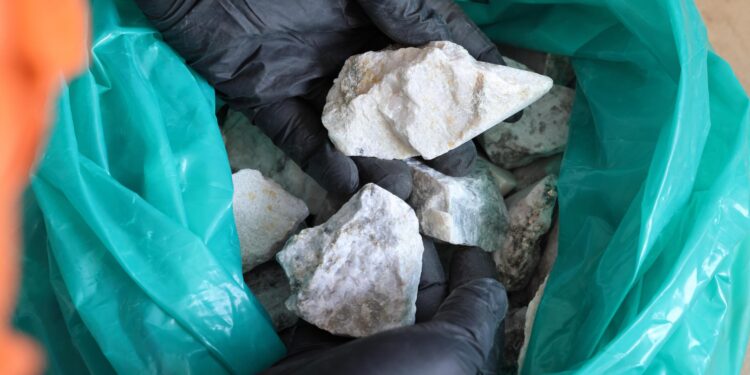
Although the continent boasts dominant global shares of cobalt, lithium, manganese, and platinum group metals, the absence of local processing plants means that the high-value stages of refining and manufacturing occur elsewhere.
This dynamic effectively exports potential high-skilled jobs, intellectual property, and industrial diversification to industrialized nations.
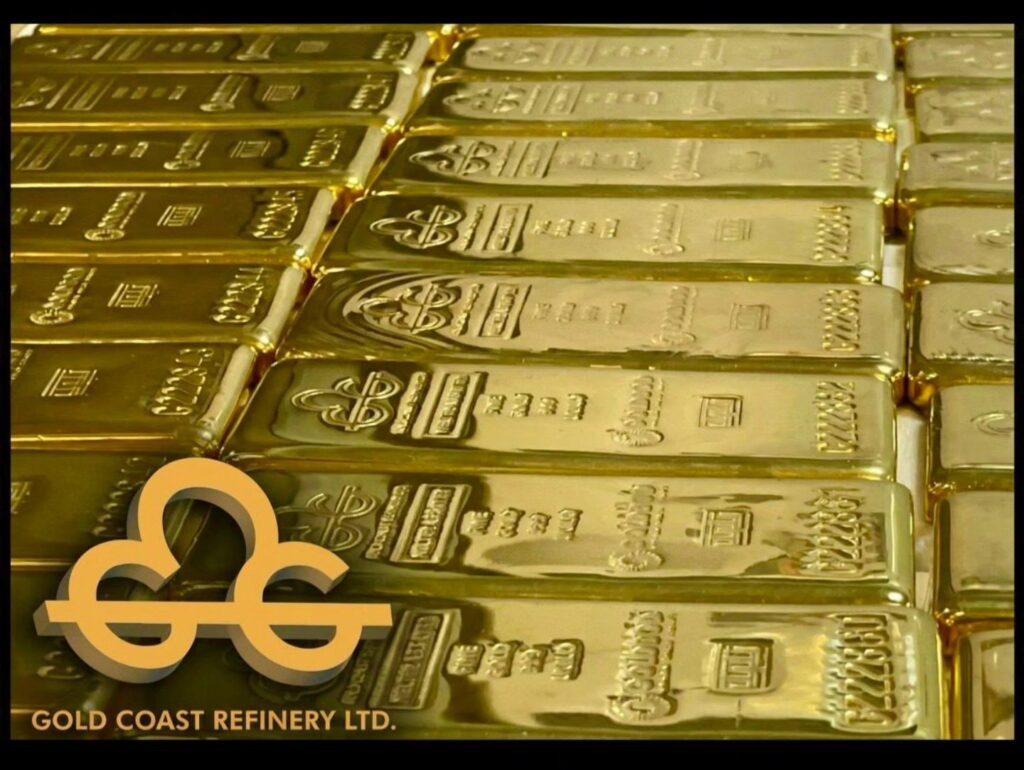
Breaking this cycle requires a deliberate strategy of beneficiation the process of improving the chemical or physical properties of ore to add value before export.
To successfully harness these resources, African countries must align national policies to restrict raw mineral exports while offering targeted incentives for local processing.
Developing sovereign geological databases will further strengthen negotiating positions, allowing governments to secure equitable joint-venture partnerships with global tech and automotive manufacturers who rely heavily on African battery minerals.
Regional Integration as an Industrial Catalyst
No single African country possesses the entire spectrum of inputs, energy capacity, and infrastructure required to build a fully integrated end-to-end critical mineral value chain.
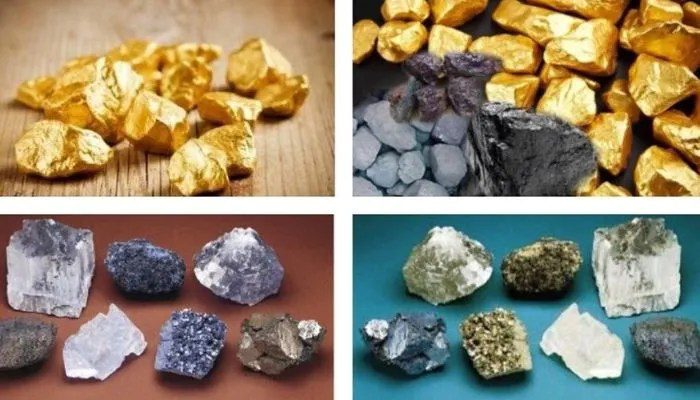
Therefore, regional cooperation serves as the essential bridge to connect dispersed mineral deposits with regional energy systems, transport corridors, and industrial hubs.
By leveraging the African Continental Free Trade Area (AfCFTA) framework, countries can pool resources to establish cross-border manufacturing ecosystems.
Under this cooperative model, one nation’s lithium can be paired with another’s copper and nickel, using regional transport networks to feed a centralized battery manufacturing plant.
This collective approach dramatically increases bargaining power, mitigates individual infrastructure deficits, and creates larger internal markets that are highly attractive to long-term investors.
Integrating these fragmented systems into a unified regional market is vital to achieving the scale necessary for competitive mineral processing.
Building the Infrastructure for Local Processing
Transforming Africa into an industrial hub for critical minerals requires substantial investments in foundational infrastructure, particularly in clean energy and transport corridors.
Smelting and refining minerals are energy-intensive processes that cannot rely on unstable grids; thus, tapping into regional hydropower, solar, and geothermal reserves is critical to powering clean-energy-compliant processing zones.
Additionally, governments must prioritize the regulatory frameworks governing natural resources to foster transparency, stability, and investor confidence.
By establishing coherent public policies, standardizing investment codes, and investing in specialized technical training for the local workforce, Africa can build an enabling environment that attracts sustainable capital.
Securing these strategic investments in transport, power, and human capital will allow African nations to successfully convert geological wealth into enduring economic prosperity.
READ ALSO: Evalue-Ajomoro-Gwira MP Calls For Unity In Parliamentary Decisions