

The Ministry of Fisheries and Aquaculture Development (MoFAD) has signaled a high-speed transition from policy to practice for Ghana’s blue economy in a pivotal meeting with the Marine Protected Areas Technical Advisory Committee (MPA-TAC).
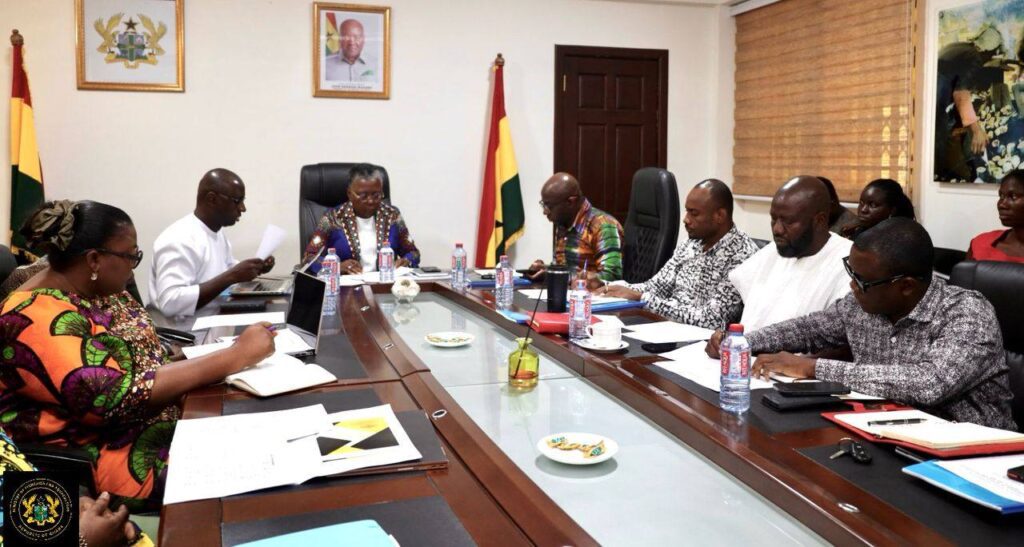
The Minister for Fisheries and Aquaculture, Hon. Emelia Arthur, engaged with MPA-TAC to review the roadmap for the nation’s first-ever Marine Protected Areas (MPAs). Located in the biodiversity-rich Greater Cape Three Points area of the Western Region, these MPAs represent a historic shift in Ghana’s ocean governance.
According to MoFAD, the project is designed to serve as a biological “savings account” for the nation – protecting critical breeding grounds while ensuring the long-term survival of the artisanal fishing sector.
“The engagement brought the Minister up to speed on key milestones achieved so far, following Cabinet approval on 7th October 2025 for the establishment of the MPAs”
MoFAD

Recognizing that the success of conservation depends on community “buy-in,” the Minister and the MPA-TAC prioritized a comprehensive MPA Communication Roadmap. This strategy moves beyond traditional government bulletins, introducing creative tools such as a “dedicated MPA song sheet and detailed FAQs designed for coastal dwellers.”
The socialization of this strategy is not limited to the Ministry; it is being integrated into the workflows of the Fisheries Commission and the Ministry of Food and Agriculture (MoFA).
Furthermore, to ensure accurate public discourse, MoFAD is launching capacity-building training initiatives for selected journalists, transforming the media into a bridge between scientific conservation and local understanding.
Governance and Management Frameworks
Beyond communication, the technical backbone of the project – the MPA governance framework – is nearing completion. This framework defines the legal and operational “rules of engagement” within the protected zones.
Unlike traditional “no-take” zones that exclude human activity, Ghana is adopting a mixed-use approach that permits regulated sustainable fishing while safeguarding the most sensitive habitats.
The status of the MPA management plan was also a core agenda item. This plan outlines the day-to-day oversight of the 700-square-kilometer area, stretching from Ampatano to Domunli. It includes monitoring protocols to track the recovery of sardinellas and other high-value species, providing the data necessary for adaptive management as environmental conditions shift.
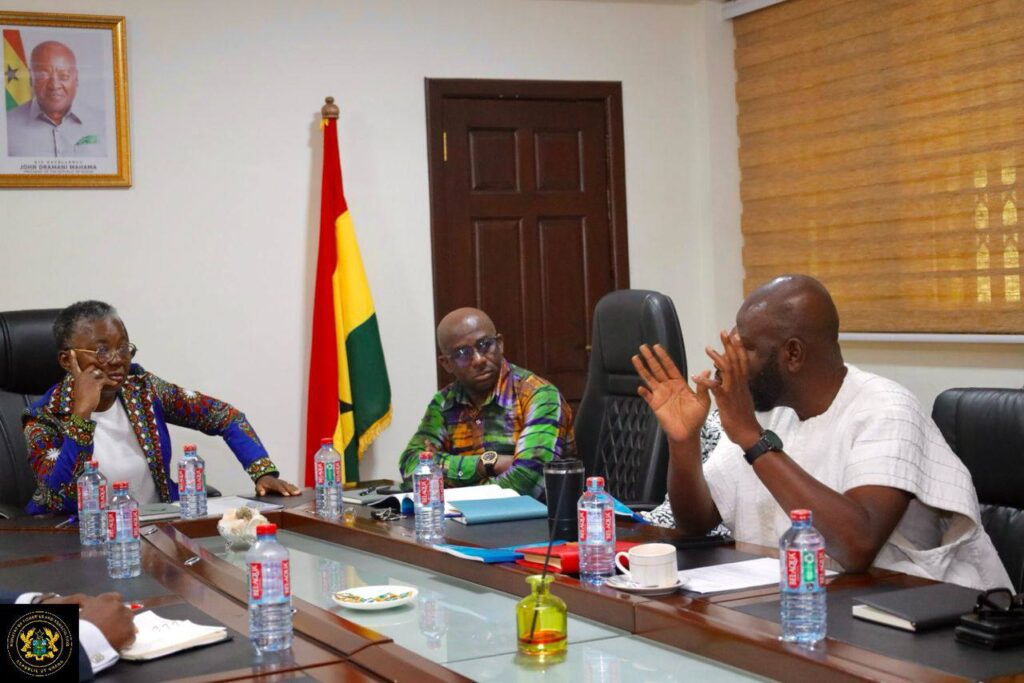
Hon. Emelia Arthur reaffirmed that the government’s approach is rooted in inclusion and transparency.
The establishment of the MPAs is not merely an environmental goal; it is a socio-economic intervention intended to reverse the decline in domestic fish production and reduce the nation’s reliance on imports.
“The Minister reaffirmed Government’s commitment to transparent, inclusive and well-communicated implementation of the MPAs to protect marine ecosystems while safeguarding the livelihoods of coastal communities”
MoFAD
By securing the nursery grounds in the Greater Cape Three Points, the Ministry is betting on a “spillover effect” – where fish stocks regenerate inside the protected area and then migrate into open waters, increasing the daily catch for local fishers.
This “triple win” for biodiversity, food security, and rural income remains the driving force behind the nation’s first-ever Marine Protected Areas roadmap in 2026.
READ ALSO: Ewoyaa Lithium Project: Residents Threaten Protest Over Delayed Compensation