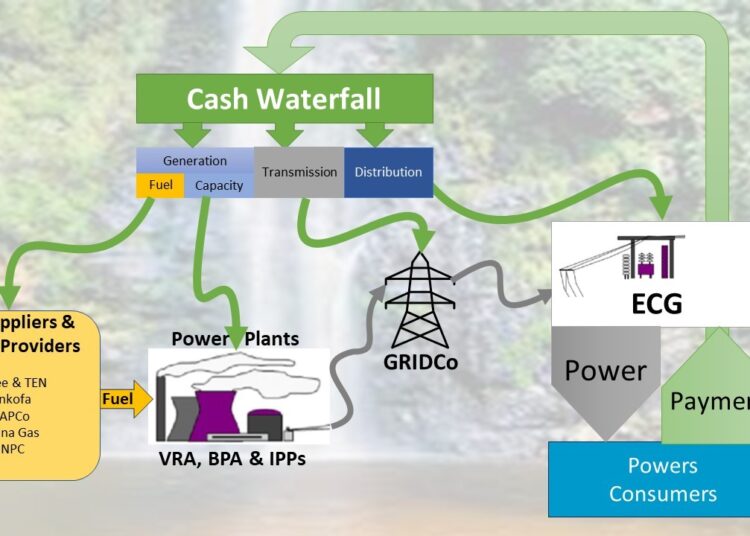
The Electricity Company of Ghana (ECG) has reiterated its unwavering commitment to the Cash Waterfall Mechanism (CWM), a critical financial framework aimed at ensuring transparency, fairness and sustainability across Ghana’s electricity supply value chain.
Speaking on the company’s position, the Acting Managing Director of ECG, Ing. Kwame Kpekpena, stressed that the Cash Waterfall Mechanism plays a vital role in ensuring that revenue collected from electricity consumers is distributed equitably among key stakeholders in the power sector.
“ECG will continue to honour its commitment under the Cash Waterfall Mechanism because ensuring stable and reliable electricity supply is critical to supporting businesses, driving economic growth, and improving the lives of our customers.”
Ing. Kwame Kpekpena, Acting Managing Director of ECG

The reaffirmation comes at a time when the energy sector continues to face financial pressures linked to legacy debts, revenue leakages and rising operational costs.
ECG’s leadership says continued adherence to the CWM remains essential to stabilising the sector and guaranteeing reliable power supply for households and businesses.
The Cash Waterfall Mechanism was introduced to address long-standing payment challenges within the electricity supply chain by prioritising payments to Independent Power Producers (IPPs), State-Owned Enterprises (SOEs), fuel suppliers and grid operators.
By reducing payment delays and uncertainty, the framework helps sustain power generation and transmission while limiting the accumulation of sector debt.
Improved Revenue Collection Boosts Confidence
Ing. Kpekpena attributed ECG’s renewed confidence in meeting its obligations under the CWM to improvements in revenue mobilisation and broader positive economic indicators.
According to him, enhanced collection systems and stricter internal controls have strengthened the company’s financial position.
He explained that better revenue performance has allowed ECG to narrow payment gaps to power producers, a development widely seen as crucial for maintaining generation capacity and avoiding supply disruptions.
Industry analysts have long argued that consistent application of the Cash Waterfall Mechanism is one of the most effective tools for restoring confidence among investors and power producers, many of whom have previously complained about delayed payments and mounting arrears.
Board Commends Fiscal Discipline
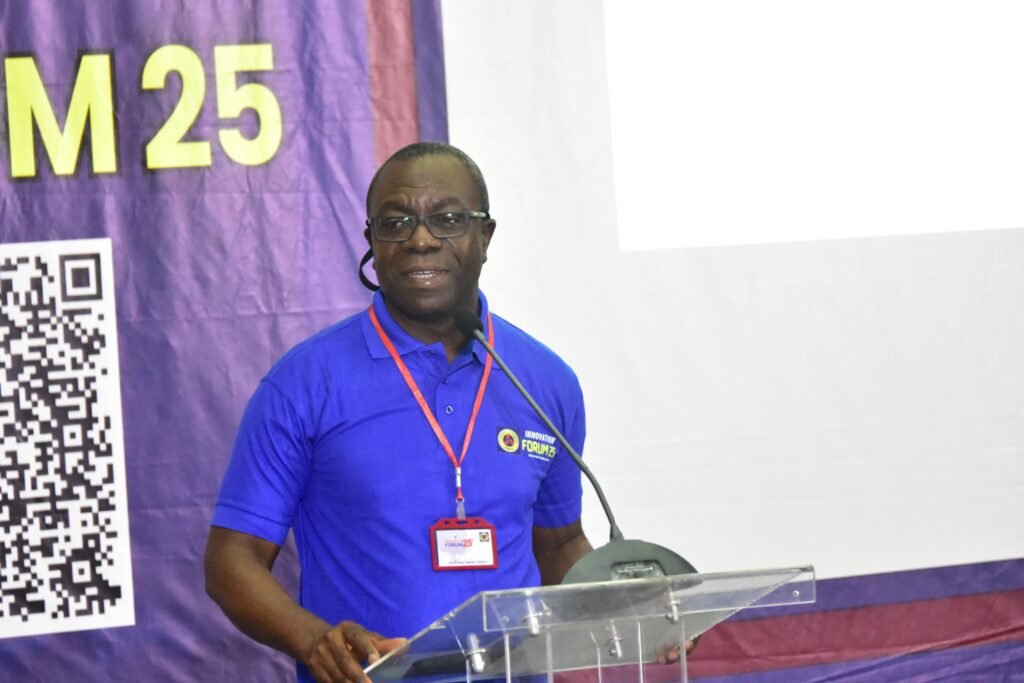
The Board Chairman of ECG, Ing. Dr. William Amuna, commended management for strengthening fiscal discipline within the company, describing it as a necessary step toward operational efficiency and long-term sustainability.
He acknowledged that tighter financial controls and accountability measures have contributed to ECG’s improved ability to honour its obligations under the Cash Waterfall Mechanism.
Dr. Amuna noted that restoring financial discipline within ECG is not only about meeting payment schedules but also about rebuilding public trust and ensuring value for money for electricity consumers.
One of the persistent challenges undermining ECG’s revenue mobilisation remains illegal electricity connections. Dr. Amuna disclosed that the company is developing innovative strategies to combat the problem, which continues to result in significant revenue losses and system inefficiencies.
Illegal connections, he said, place undue strain on infrastructure, increase technical losses and unfairly shift costs onto compliant customers. Addressing the issue is therefore central to ECG’s broader reform agenda.
Management believes that reducing power theft will further strengthen revenue flows, making it easier for the company to sustain its commitments under the Cash Waterfall Mechanism and invest in network upgrades.
Sustaining Power Sector Stability
ECG’s renewed commitment to the Cash Waterfall Mechanism signals a broader effort to stabilise Ghana’s power sector through discipline, transparency and strategic planning.
With improved revenue collection, targeted infrastructure development and tougher enforcement against losses, the company says it is positioning itself to better support national economic growth.
As Ghana continues to pursue industrialisation and expanded electricity access, stakeholders across the energy sector are watching closely to see whether consistent application of the CWM will translate into lasting financial stability and improved service delivery for consumers nationwide.
READ ALSO: Government Launches Nationwide Coconut Farmer Training Program