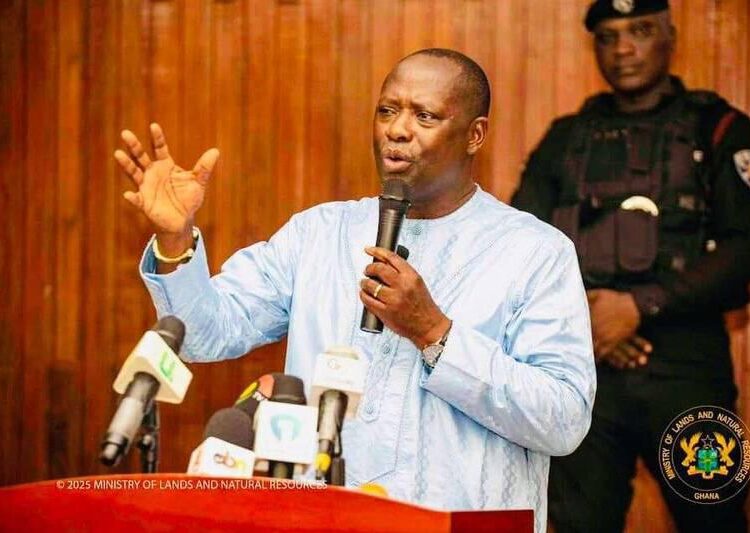
Minister for Lands and Natural Resources and Acting Minister for Environment, Science, and Technology, Hon. Emmanuel Armah-Kofi Buah, has taken steps to enhanced bilateral cooperation between Ghana and Australian mining stakeholders to catalyze the development of Africa’s vast mineral wealth.
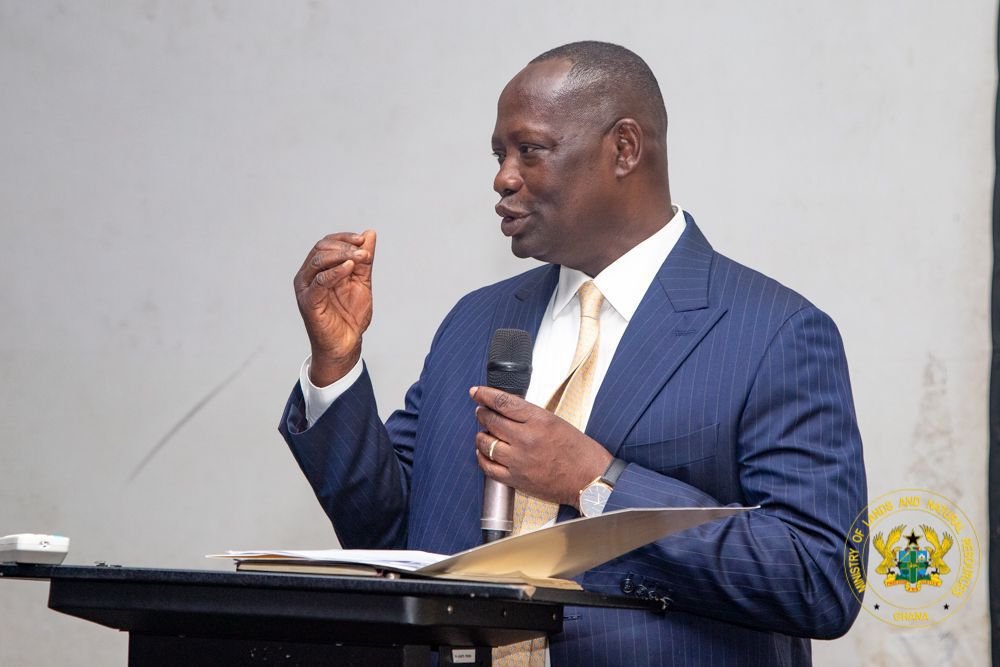
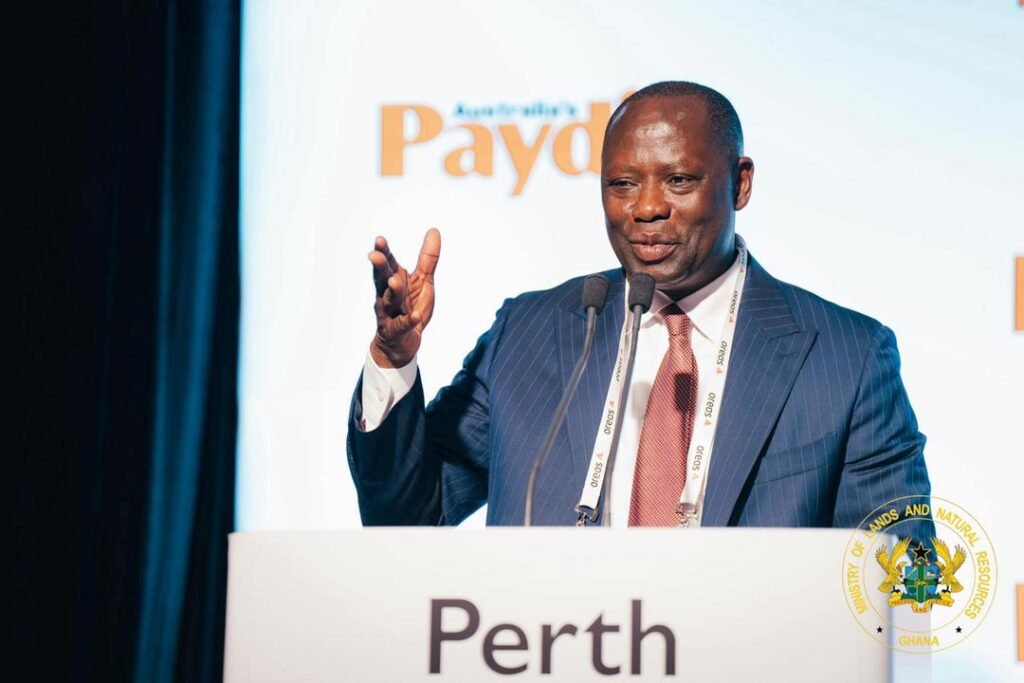
During a keynote address at the Australian Mining in Africa Reception, held alongside the Investing in African Mining Indaba in Cape Town, the Minister positioned Ghana as a premier destination for ethical investment, emphasizing that such alliances are vital to unlocking new frontiers in the continent’s extractive landscape.
“It is a genuine privilege to be a guest at this special event, bringing together organisations shaping the future of African mining. I pray our discussions here would lead to fruitful and enduring partnerships.”
The outreach signifies a concerted effort to align Ghana’s rich geological potential with Australia’s advanced technical expertise and capital, particularly as the global market shifts toward critical minerals.
Hon. Emmanuel Armah-Kofi Buah
By leveraging the long-standing diplomatic and economic ties between the two nations, the government aims to implement a “value-added approach” that transitions the sector from mere extraction to integrated industrialization.
This vision was presented to a high-level audience of global investors at the Cape Town International Convention Centre (CTICC), where Hon.Armah-Kofi Buah underscored that Ghana’s commitment to “sustainable, transparent, and investor-friendly mining practices” remains the cornerstone of its national development agenda.
Strategic Framework and Investor Safeguards
Ghana’s strategy to attract Australian capital is rooted in a robust legal architecture where all mineral resources are “vested in the President to be held in trust for the people.”
To reassure the international community, Hon. Armah-Kofi Buah outlined a suite of fiscal and protective measures designed to de-risk investments, including the “protection of contractual rights” and comprehensive tax exemptions on imported mining equipment.
These incentives are bolstered by the oversight of specialized institutions like the Minerals Commission and the Environmental Protection Authority, which ensure that operations meet both domestic regulations and global ESG (Environmental, Social, and Governance) standards.
The economic stakes are high; the mining sector currently generates over one-third of Ghana’s export revenues, acting as a primary engine for GDP growth and foreign exchange stability.
By fostering a “stable political environment and a government that upholds the principles of good governance,” the state seeks to maximize the role of Foreign Direct Investment (FDI) in driving technological advancement and large-scale employment.
Tackling Challenges Through Reform and Innovation
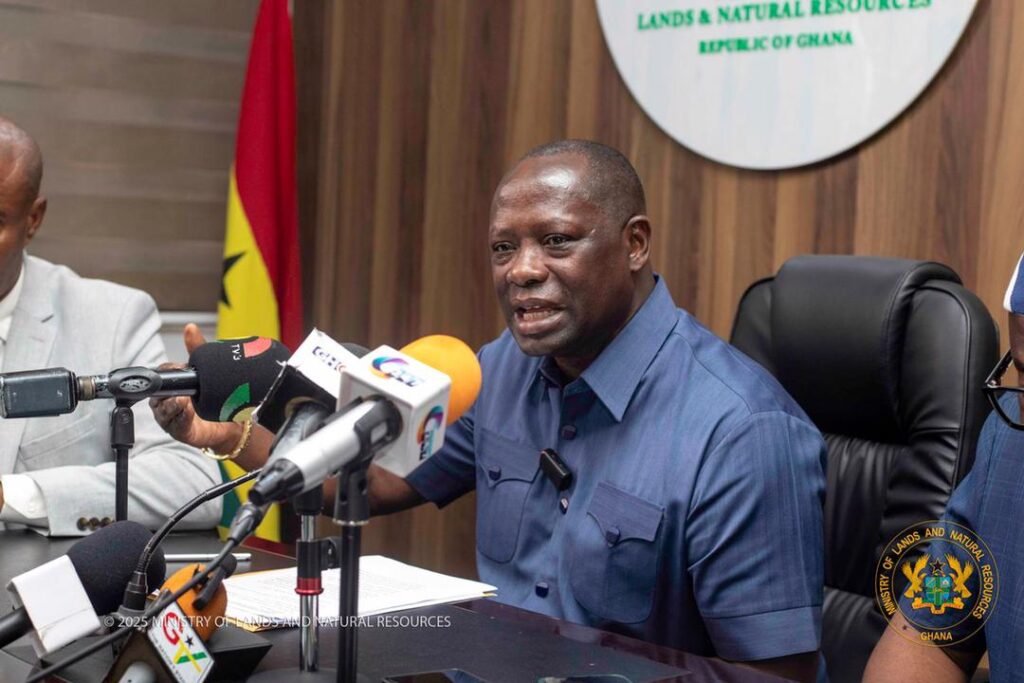
Despite the sector’s growth, the Minister acknowledged that illegal mining remains a significant hurdle to environmental sustainability. To safeguard formal investments, the government has launched the National Anti-Illegal Mining Operations Secretariat (NAIMOS), a central command dedicated to “rigorous law enforcement” and the protection of licensed concessions.
Complementing this is the Blue Water Initiative, which has deployed over 1,600 personnel to restore water bodies and monitor high-risk zones, ensuring that the industry’s expansion does not come at the cost of the nation’s ecological health.
Furthermore, the Responsible Cooperative Mining and Skills Development Programme (rCOMSDEP) is being utilized to formalize artisanal operations.
By promoting sustainable practices in over seventy communities, the government is creating a more predictable and “secure operating environment” for large-scale Australian firms.
These reforms are intended to align the local industry with international expectations, making the Ghanaian mining ecosystem both resilient and reputable.
Future Frontiers: Lithium, Bauxite, and Green Technology
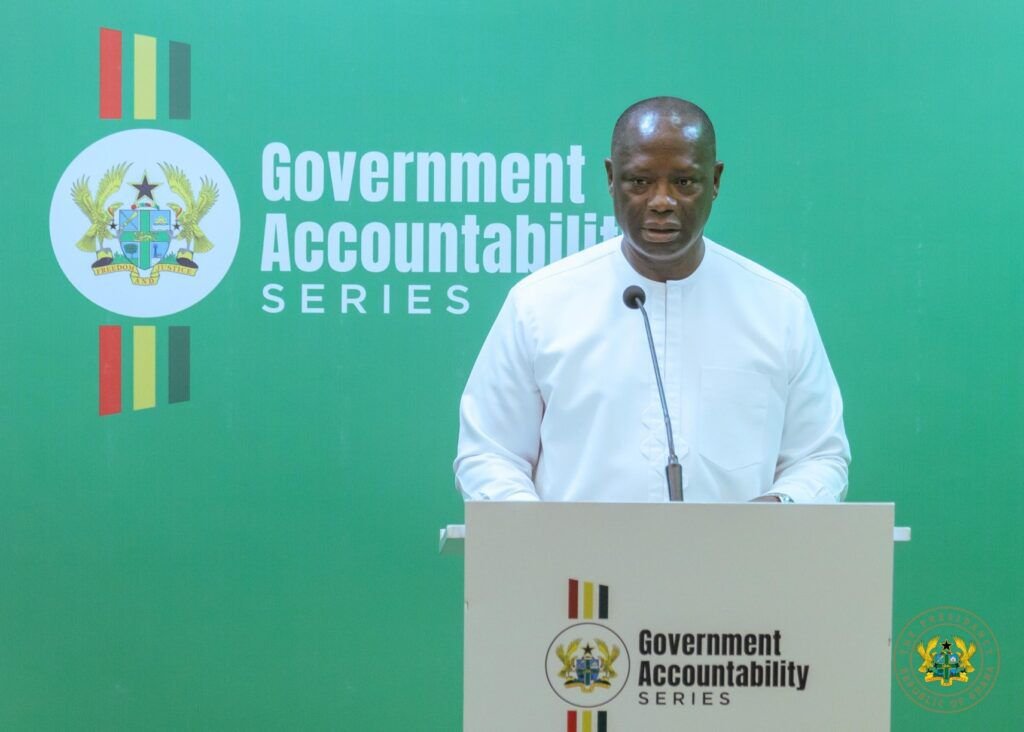
Looking ahead, the partnership with Australia is poised to move into the “green minerals value chain,” with a specific focus on lithium exploration and the development of integrated bauxite and iron ore industries.
The minister highlighted the potential for Australian technical support to enhance “minerals management and processing,” moving Ghana up the value chain from raw ore exports to refined products.
This industrialization drive is expected to create a “complete ecosystem” of service companies and high-skilled jobs, further integrating the mining sector into the broader economy.
The collaboration also seeks to adopt Australian “green technologies” to mitigate the carbon footprint of extraction. By focusing on value addition and industrialization, Ghana intends to transform its mineral wealth into a sustainable economic legacy.
As the Minister noted, the goal is to find “partners who understand that mining is not just about extraction but also about transformation and shared value,” ensuring that the next chapter of Ghana-Australia relations delivers “enduring value for workers, local communities, and the national economy.”
READ ALSO : Global Price Slump Triggers Cocoa Payment Crisis