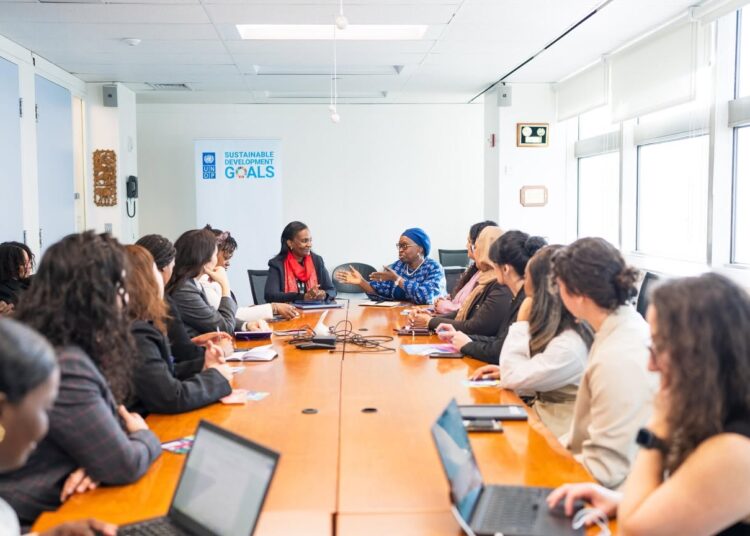
UNDP Africa Deputy Regional Director, Aissata De has declared that the African continent is actively repositioning its diplomatic and economic strategy to secure a significantly greater share of the financial value derived from its vast natural mineral resources, human capital, and rapid technological advancements.
Writing ahead of the 81st United Nations General Assembly (UNGA 81) in New York, De emphasized that as global economic frameworks undergo structural transformations, African nations are moving away from historically passive roles as mere recipients of foreign aid and external solutions.
Instead, the continent is asserting itself as a primary driver in formulating new models for international investment, technology sharing, and sustainable industrial development.
“Who gets to decide what is investable? Who owns the infrastructure behind the AI revolution? Who captures value when African resources, data, talent and ideas enter global markets?”
Aissata De
Expanding on this strategic posture, De noted that UNGA 81 hosted under the overarching theme “Restoring Trust, Managing Transformation: A United Nations That Delivers for All” is taking place against a complex background marked by geopolitical conflict, unsustainable debt burdens, severe climate shocks, and the accelerating rise of artificial intelligence.
She identified trust as a critical and diminishing global commodity, pointing out that this erosion affects public institutions, international trade mechanisms, critical mineral supply chains, and the broader distribution of economic gains.
Consequently, the overarching priority for African policymakers at the summit centers on determining whether global economic governance can adapt quickly enough to support the ambitions of Africa’s expanding youth population, its domestic technological innovation, and its long-term industrialization goals.
Structural Shifts in Global Extraction and Value Addition
The rapid global transition toward clean energy technology has placed Africa’s vast critical mineral deposits including lithium, cobalt, manganese, and nickel at the absolute epicenter of international industrial policy.
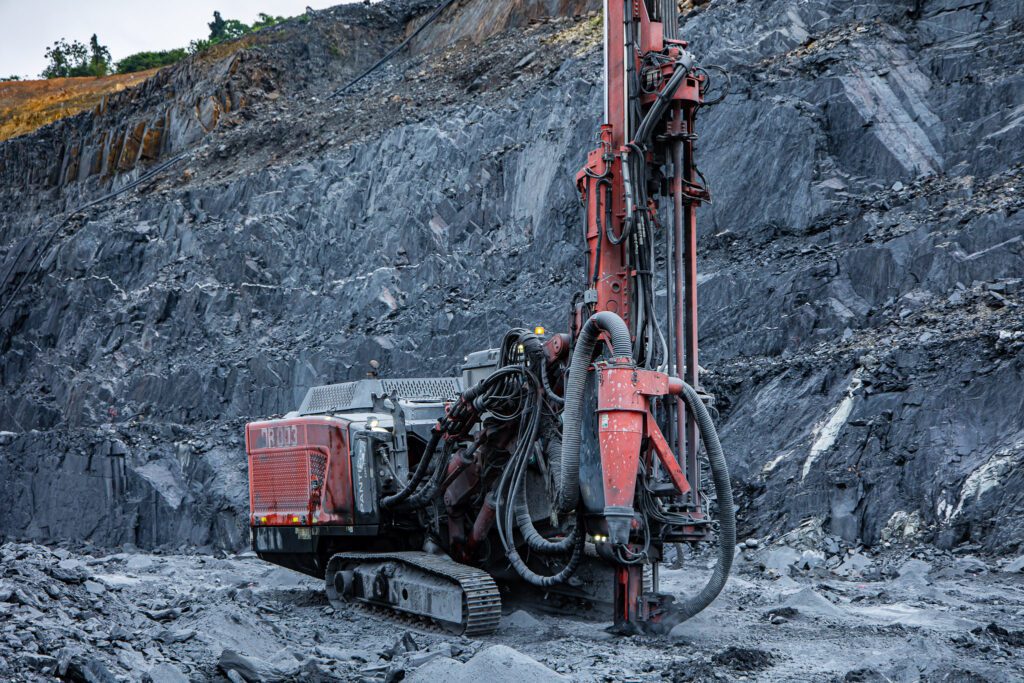
For decades, the structural dynamics of the global extractive sector dictated that raw minerals were harvested from African soil with minimal local processing, leaving host nations to absorb the environmental burdens while refined high-value end products generated substantial profits and employment in foreign economies.
De underscored that the policy debate across African capitals has fundamentally shifted away from traditional, raw material extraction toward deliberate domestic value addition, localized manufacturing, and economic diversification.
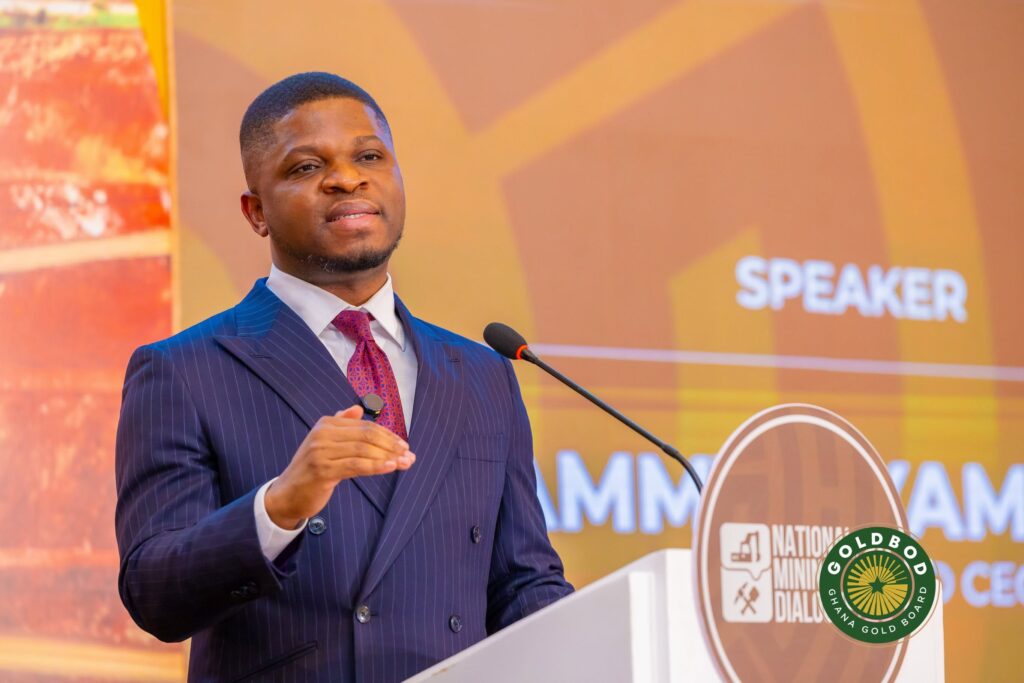
This structural evolution is slated to take center stage at the Third Africa Minerals Strategy Group High-Level Roundtable, convened under the targeted theme “From Resources to Wealth.”
The strategic assembly aims to forge concrete continental frameworks that reinforce regional value chains, enhance local processing capacity, and retain downstream economic returns within mineral-producing states.
By shifting focus toward domestic refining and manufacturing, African leaders seek to build resilient industrial ecosystems capable of generating quality employment at scale, expanding the national tax base, and mitigating the fiscal instability caused by foreign commodity price volatility.
Institutional Imperatives and the Case for Systemic Reform
Thorough research into the global resource economy reveals why this structural initiative is urgently required.
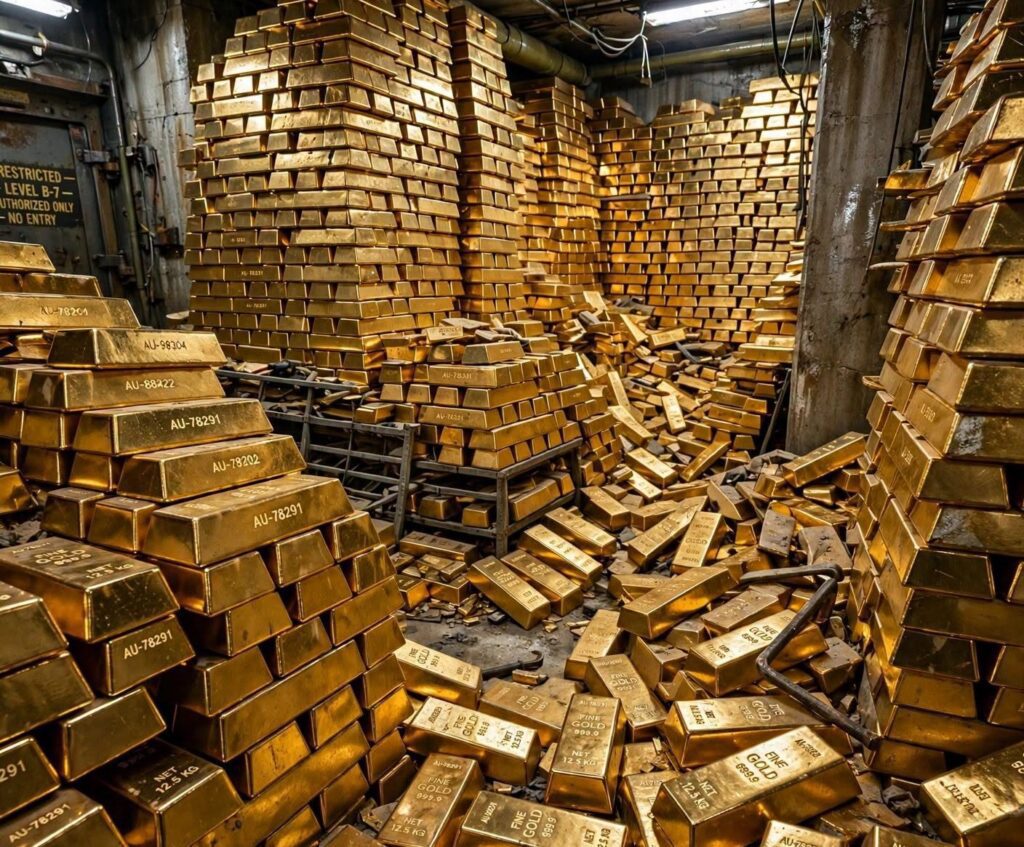
Statistically, while the African continent holds over 30 percent of the world’s global mineral reserves and upwards of 70 percent of essential green-transition metals African economies historically retain less than 10 percent of the total financial value generated along the global supply chain from raw extraction to final technological application.
This systemic imbalance has created a dynamic where resource-rich states remain vulnerable to structural trade deficits and rising sovereign debt pressures, even while supplying the indispensable inputs for global green and digital economies.
Reversing this disparity requires a comprehensive overhaul of traditional development finance and investment models. Beyond physical commodities, the broader framework presented by the UNDP stresses that value retention must extend to the digital and technological infrastructure powering the global economy, including artificial intelligence models and creative industries.
Addressing this capital deficit necessitates innovative financing vehicles such as the UNDP-UNCDF Investment Accelerator, the Early-Stage Capital Facility, and targeted private roundtables on creative industries—to ensure African enterprises secure the early-stage equity required to transform local innovation into high-growth, job-creating industries.
Reimagining Global Economic Partnership
Ultimately, the assertions put forward by the UNDP Regional Directorate signal a definitive turning point in Africa’s engagement with international markets and multilateral institutions.

By demanding equity in how value is measured, captured, and distributed across global commodity chains, the continent is seeking to reshape international trade conventions into equitable partnerships.
As deliberations unfold at UNGA 81, the emphasis remains squarely on establishing structural mechanisms that ensure African minerals, talent, and technological initiatives serve as direct engines for sustainable domestic wealth creation.
READ ALSO : Investing in Teachers is Nation-Building, Not Expenditure – Gapson