
The Ghana Cocoa Board (COCOBOD) is navigating a perfect storm of liquidity shortages and a global market retreat that has left thousands of farmers unpaid and over 50,000 tonnes of cocoa beans without off-takers.
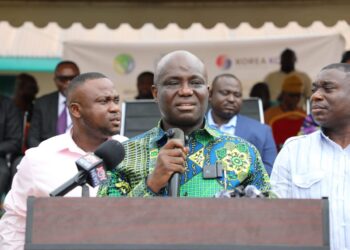
Speaking in a recent interview, the Chief Executive Officer (CEO) of COCOBOD, Dr. Ransford Abbey, revealed that a “price-market mismatch,” has stalled the sector’s traditional flow, as international buyers pivot to cheaper origins amidst a sharp decline in global cocoa futures.
“How do you expect a buyer to purchase cocoa at GHS 96,000 when the same cocoa is trading on the market at GHS 64,000 or lower? These are business decisions. Buyers will move to markets where prices are competitive”
Dr. Ransford Abbey, CEO of COCOBOD
According to Dr. Abbey, the crisis highlights the growing pain of Ghana’s transition away from the “three-decade-old syndicated loan model.” After COCOBOD struggled to service its cocoa bills in 2022, the board lost access to traditional international financing, forcing it to rely on direct funding from buyers for the 2024-25 season.
This “direct-purchase,” he noted, model has now collided with a global price correction, leaving the state regulator in a financial bind.

At the heart of the deadlock is a stark disparity between Ghana’s high domestic farmgate price and the falling international market value. For the current season, COCOBOD set the producer price at approximately GHS 80,640 per tonne (pegged to earlier exchange rate highs). However, as of February 2026, global prices have corrected to around GHS 64,000 per tonne.
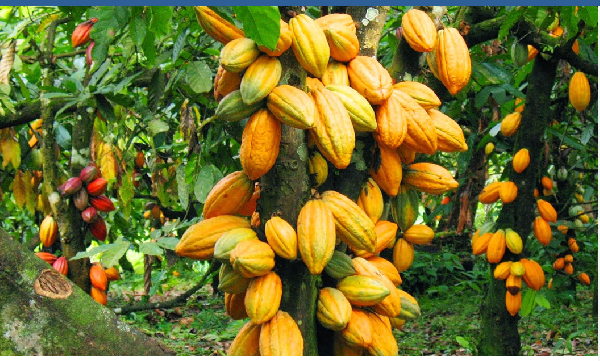
This pricing gap has paralyzed Licensed Buying Companies (LBCs). While some traders have shifted their orders to neighboring Ivory Coast to save costs, Ghanaian farmers are left holding beans they cannot sell, while others who have already delivered their stocks are still awaiting payment for supplies dating back to November 2025.
Legacy Contracts and Funding Shifts
Dr. Abbey explained that the financial strain is further exacerbated by 333,767 tonnes of cocoa committed under “legacy” forward sales contracts. These were signed when market prices were at historic lows – roughly GHS 41,600 per tonne.
When global prices later spiked, buyers holding these low-cost contracts moved in to finance the crop directly to protect their exposure, a move Dr. Abbey described as a “necessity rather than long-term planning.”
Despite the liquidity crunch, COCOBOD has managed to process over GHS 8.5 billion in sales so far this year. However, the Board acknowledges that a significant portion of the harvest remains in a “buyer retreat” limbo.
“Now, I have said that we can appreciate the concerns, the pain, the apprehensions, the confusion as far as our dear farmers are concerned… COCOBOD, Government and the Finance Ministry are seriously looking at how to address the issue.
“This is their sweat. They deserve to be paid. We understand the situation fully and we are working to find a solution as quickly as possible”
Dr. Ransford Abbey, CEO of COCOBOD
Dr. Abbey also moved to debunk social media allegations that farmer funds were diverted to purchase operational vehicles. He clarified that the procurement of pick-ups for district offices was funded through Internally Generated Funds (IGF) to fix “severe operational gaps,” and was entirely separate from the crop financing budget.
He added that the current crisis has served as a catalyst for a total overhaul of Ghana’s cocoa financing. The government is currently developing a new funding model, slated for the 2026-27 season, aimed at ending the dependency on raw bean collateral and syndicated debt.
While the Board chairman, Dr. Samuel Ofosu-Ampofo, and the management team work to restore lender confidence, the Authority is appealing for patience.

With the Minority in Parliament and farmer cooperatives issuing ultimatums over an estimated GHS 10 billion in arrears, the pressure on COCOBOD to resolve the liquidity gap has never been higher.
READ ALSO: Scottish Labour Leader Calls For Starmer To Resign