The Bank of Ghana is taking decisive steps to reshape the structure of the country’s banking industry through a structured listing programme on the Ghana Stock Exchange.
Governor Dr. Johnson Asiama has called for the development of a practical framework to guide commercial banks that intend to go public, describing the move as critical to strengthening transparency, corporate governance and capital mobilisation within the financial sector.
Speaking at the inaugural meeting of the Steering and Technical Committees of the Commercial Bank Listing Project, Dr. Asiama made it clear that the initiative forms part of broader reforms aimed at deepening confidence in Ghana’s financial system.
The project is expected to open a new chapter in the evolution of the banking industry by creating a clear and credible pathway for banks to access the capital market.
“My task for you is to develop a practical framework and credible system that support Ghana’s banking and financial sector,” he told members at the meeting.
Strengthening Governance and Transparency
The central bank believes that structured public listings will promote stronger governance practices within commercial banks. By subjecting banks to stock market disclosure requirements and investor scrutiny, the Bank of Ghana expects improvements in accountability, risk management and operational discipline.
Public listing often demands higher levels of transparency, including regular financial reporting, adherence to strict corporate governance standards and compliance with regulatory obligations. According to Dr. Asiama, these measures are necessary to ensure that Ghana’s banking sector remains resilient and competitive in an evolving global financial environment.
The proposed framework will also address capital requirements and disclosure standards to ensure that banks seeking to list are adequately prepared. Market readiness will be assessed to guarantee that listings are carried out in an orderly and credible manner.
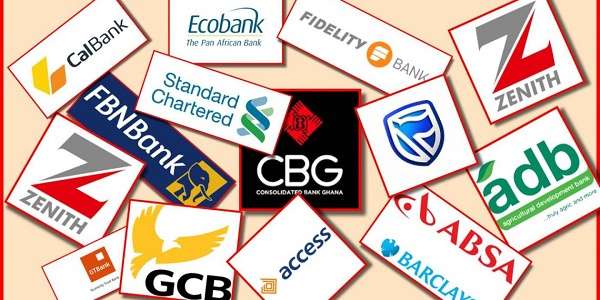
Role of the Steering Committee
To ensure smooth implementation, a Steering Committee has been established to provide strategic direction and policy oversight for the Commercial Bank Listing Project. The committee will coordinate the activities of key regulators, including the Bank of Ghana, the Securities and Exchange Commission and the Ghana Stock Exchange.
Its mandate includes guiding the overall vision of the project, setting timelines and ensuring effective stakeholder engagement. The committee will also work to align regulatory expectations and eliminate potential bottlenecks that could delay the rollout of the listing programme.
By bringing together these regulatory bodies under a coordinated structure, the Bank of Ghana aims to ensure consistency in policy and clarity in execution. This unified approach is expected to build confidence among both banks and investors.
Technical Committee to Design Operational Framework
While the Steering Committee provides oversight, the Technical Committee will focus on the operational details of the listing framework. Its responsibilities include drafting guidelines, designing the listing procedures and addressing specific regulatory and market requirements for banks seeking to go public.
The Technical Committee will examine issues such as disclosure standards, governance structures and capital thresholds. It will also develop recommendations to ensure that listed banks meet the expectations of both regulators and investors.
This dual committee structure reflects the seriousness of the initiative. It ensures that policy direction and technical execution proceed simultaneously, reducing the risk of delays or inconsistencies.
Boosting Investor Confidence and Market Depth
At the heart of the initiative is the objective of strengthening investor confidence. The Bank of Ghana believes that a structured listing framework will enhance credibility within the financial sector and attract greater participation from both institutional and retail investors.
A more transparent banking sector is likely to improve public trust and stimulate investment in bank equities. This, in turn, could deepen Ghana’s capital market by increasing liquidity and expanding the range of available investment opportunities.
The commercial bank listing project is also expected to strengthen bank balance sheets. By raising capital through public offerings, banks can improve their capital adequacy positions and expand their lending capacity. This could have positive spillover effects on economic growth, particularly in sectors that depend heavily on bank financing.
Long Term Vision for Financial Stability
The push to list commercial banks on the Ghana Stock Exchange aligns with broader financial sector reforms undertaken by the central bank in recent years. Following past challenges within the banking industry, regulators have focused on building a more resilient and well capitalised sector.
Dr. Asiama emphasised that developing a structured listing framework is critical to building investor confidence and supporting the long term resilience of the financial sector. The initiative signals a forward looking strategy that seeks to integrate Ghana’s banking industry more closely with the capital market.
If successfully implemented, the programme could mark a turning point for the country’s financial architecture. It would not only enhance transparency and governance but also create new avenues for public participation in the banking sector.
As Ghana continues to pursue economic stability and growth, the Bank of Ghana’s push for orderly bank listings represents a strategic effort to align the banking industry with global best practices. The coming months will reveal how quickly the committees can translate this vision into a practical and effective framework that supports sustainable development within the financial sector.
READ ALSO: ADB Holds Thanksgiving Service After Strong 2025 Turnaround