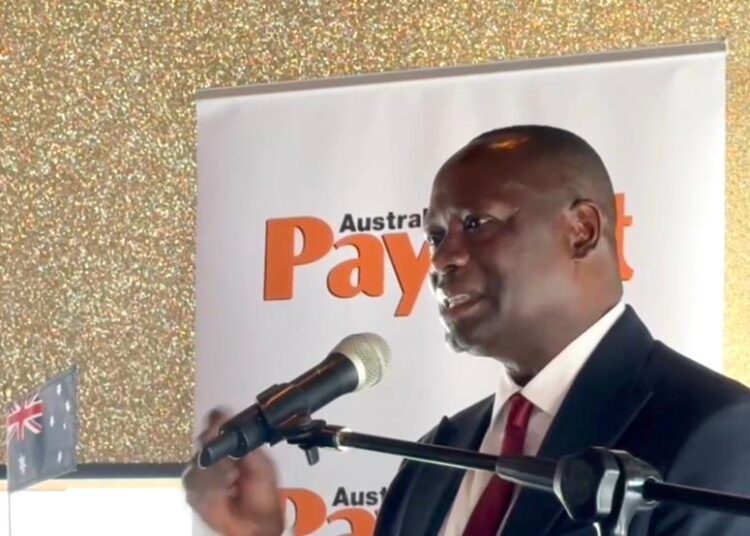
Hon. Emmanuel Armah-Kofi Buah, the Minister for Lands and Natural Resources, has spotlighted the indispensable role of industrial minerals as the primary catalyst for Ghana’s rapid infrastructural expansion and economic transformation.
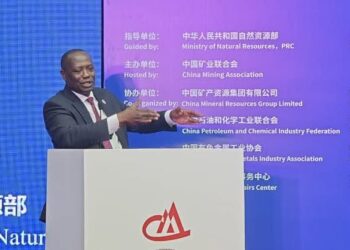
Speaking at the 2026 Mining Indaba in Cape Town, South Africa, the Minister explained that the government’s aggressive pursuit of continuous reform is aimed at creating a transparent and efficient environment where mining serves as more than just an extractive activity.
By prioritizing the extraction of clay, feldspar, limestone, granite, and salt, Ghana is strategically positioning these resources to feed directly into the national construction and industrial sectors, ensuring that the wealth beneath the soil translates into visible development on the surface.
“Industrial minerals continue to underpin Ghana’s infrastructure growth with over 110 lines requiring operation extracting clay, feldspar, limestone, granite, sand and salt across our country. Geological explorations are also confirming viable prospects for iron ore and I mean high quality, high value iron ore. We also have nickel, zinc, chromium, lead and others resources critical to the global energy transition.”
Hon. Emmanuel Armah-Kofi Buah
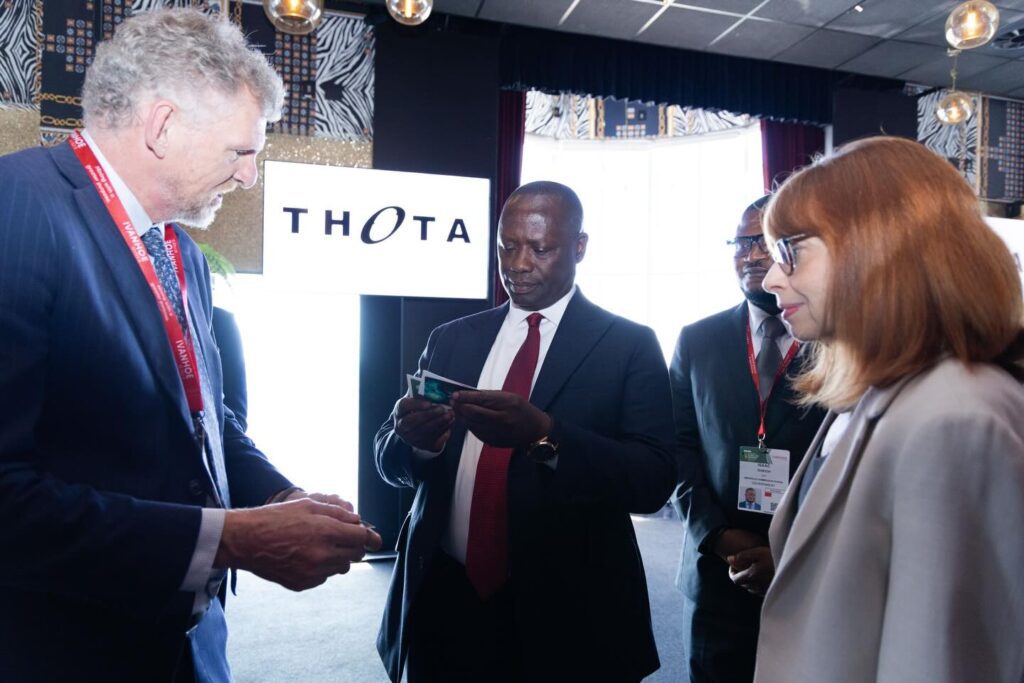
The Minister detailed how these minerals are already providing the essential raw materials for the country’s roads, housing projects, and public works.
This domestic focus is supported by a formidable mining ecosystem that has attracted over $20billion in investment over the last two decades.
Currently, 19 large-scale mining companies are active in the country, including five of the world’s top ten global mining giants like Newmont, AngloGold Ashanti, and Goldfields.
This industrial backbone is further strengthened by a value chain of over 200 engineering andmine support service companies, creating a comprehensive “transformation of the entire ecosystem” that integrates logistics, laboratory analysis, and contract mining into the broader national economy.
Strategic Mineral Wealth and the Infrastructure Link
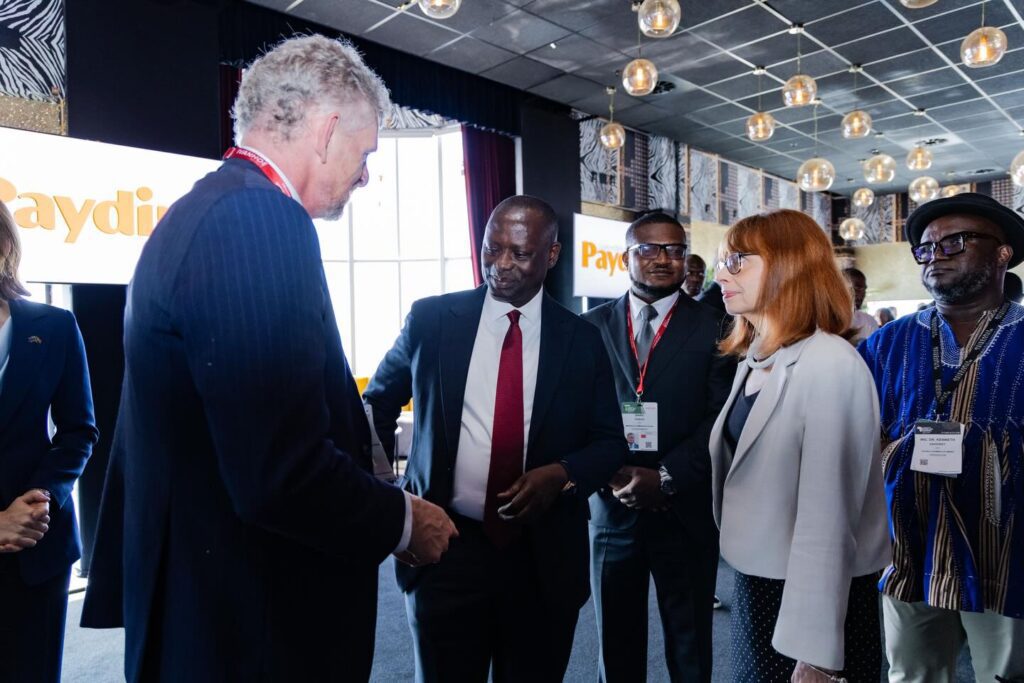
The government’s strategy revolves around the concept that the “only business of government” is to provide a “conducive and efficient atmosphere for businesses to flourish.”
This approach has turned the extractive sector into a primary driver of domestic revenue, with the mining industry contributing significantly to the national budget.
In the last fiscal year alone, the sector’s fiscal payments increased by over 50%, reaching GH₵17.7 billion. These funds are the lifeblood of critical projects, ranging from the construction of regional hospitals to the expansion of secondary schools.
By leveraging industrial minerals like limestone for cement and granite for road construction, the state is effectively “co-creating solutions that benefit investors, communities, and the good people at large.”
Beyond Extraction: Building a Value Chain Ecosystem
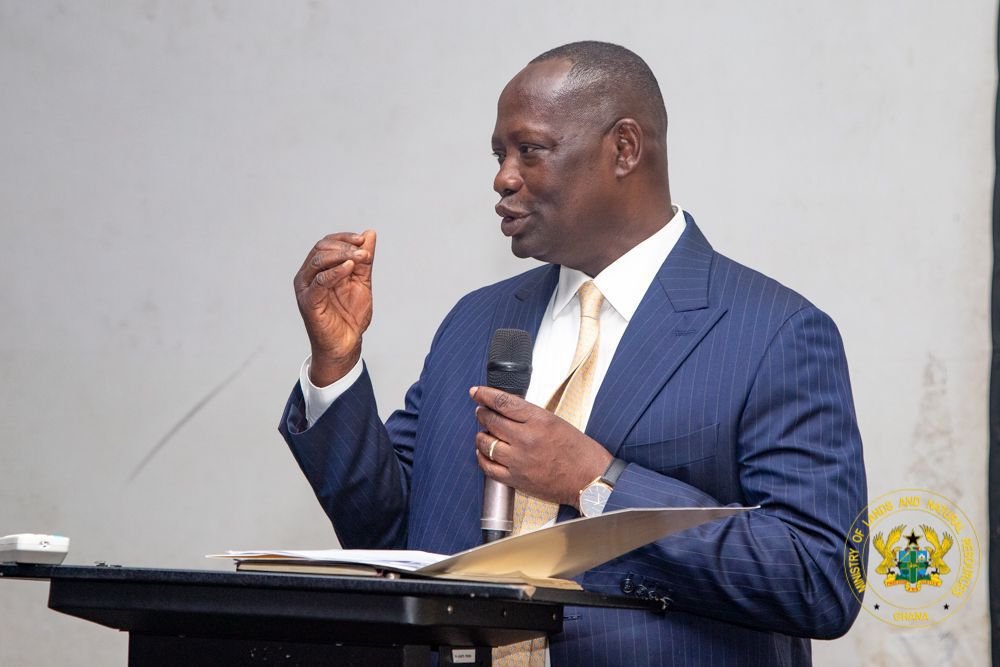
According to Hon. Armah-Kofi Buah, Ghana is seeking “more than just capital“; it is searching for ethical and innovative partners committed to “long-term value creation.”
This shift from a traditional extraction model to a value-addition model is evident in the burgeoning ecosystem of over 200 support service firms.
These companies range from drilling to assaying, forming a “complete value chain” that retains wealth within the country.
The Minister emphasized that these domestic firms are ready for “good capital injection” to further drive efficiency, signaling a clear opportunity for international partnerships that go beyond the mine site and into the heart of Ghana’s industrial landscape.
A Call for Ethical Investment in a Stable Climate
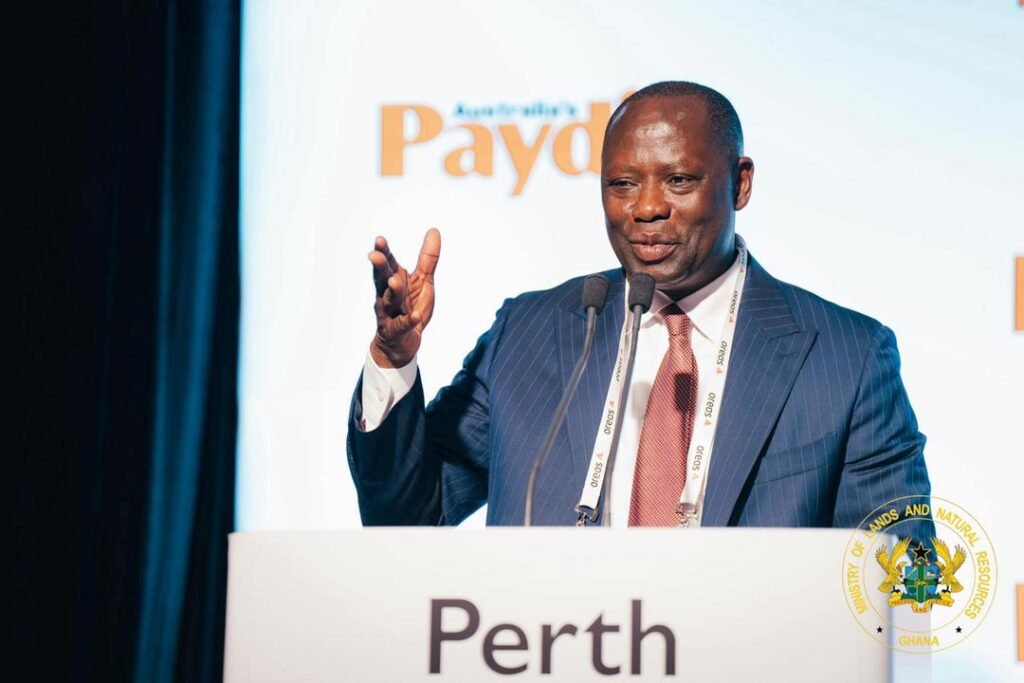
The Minister also invited global investors to a “mineral-rich, opportunity-leading Ghana,” a country that has gained a peerless reputation for political stability and regulatory certainty.
With new geological data confirming high-value prospects for iron ore and minerals essential for the green energy transition, the “opportunity is now” for investors who value a “win-win partnership.”
Ghana remains the preferred destination for those looking for a “fair return on investment” while contributing to the life-changing transformation of host communities.
The minister noted that the doors are open, the data is available, and the nation is ready to partner with those who see mining as a tool for national building.
READ ALSO: Staff Celebrate Sarpong’s One-Year Milestone