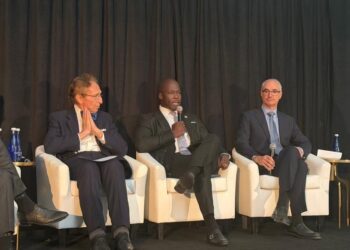

After a high-stakes emergency Cabinet session to deliberate over developments in the cocoa sector, Finance Minister Dr. Cassiel Ato Forson has laid bare a series of catastrophic financial and operational failures that have pushed the Ghana Cocoa Board (COCOBOD) to the brink of collapse.
The briefing, which targeted the “systemic rot” within the sector, revealed that the current administration has inherited an organization crippled by a US$1 billion revenue loss and a total breakdown in international lender confidence.
As global prices tumble, the government is now grappling with the fallout of an “uncompetitive” pricing strategy that has left the country’s primary export engine without the liquidity to function.
“At the heart of the crisis is an unprecedented production failure and a high-risk financing experiment that has effectively backfired, leaving Ghanaian cocoa stranded at the port.
“The most damning revelation from the Cabinet session was the massive deviation in crop output during the 2023/24 season”
Dr. Cassiel Ato Forson, Finance Minister
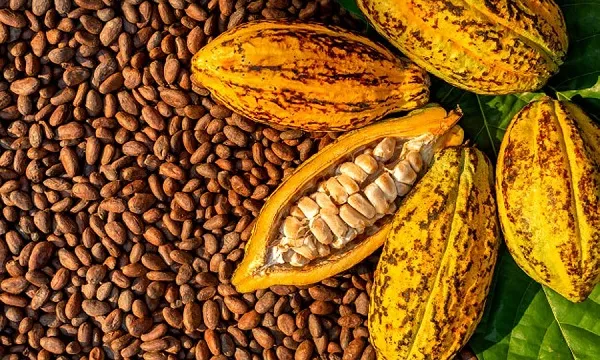
According to the Minister, while COCOBOD had projected a harvest of 800,000 tonnes and committed nearly 787,000 tonnes in international contracts, the actual output plummeted to just 432,145 tonnes. This 45% deviation, triggered a chain reaction of contractual defaults and financial bleeding.
“Actual production was 432,145 tonnes, a deviation of 45% from the projected output. Variations in crop forecasts typically vary between 5% to 15%.
“Hence, a deviation of 45% was unprecedented. This resulted in huge rollover contracts… resulting in a loss of over US$1 billion”
Dr. Cassiel Ato Forson, Finance Minister
This billion-dollar shortfall represents money that should have bolstered farmer incomes and stabilized the national treasury. Instead, it forced COCOBOD to roll over 333,767 tonnes in contracts at significantly lower historical prices, missing out on the brief period of record-high global market valuations.
A Failed Financing Experiment
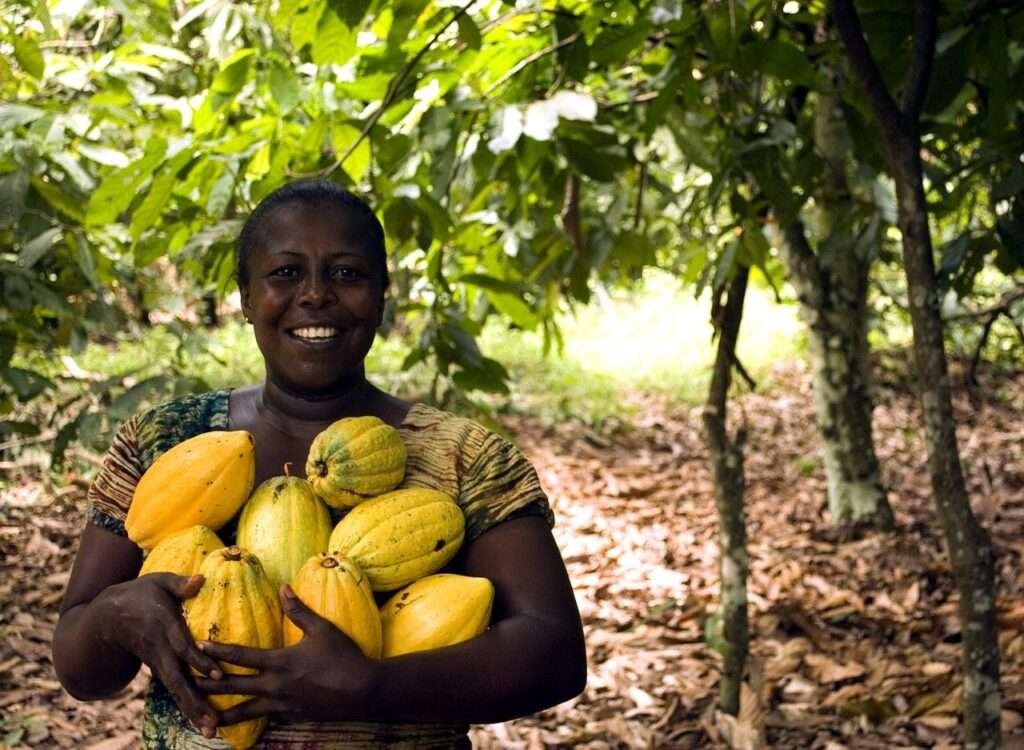
Dr. Forson added that the financial rot deepened in 2024 when COCOBOD abandoned its three-decade-old syndicated loan model for a “self-financing” scheme that relied on buyers to provide upfront capital.
This move was prompted by a loss of confidence from international banks, leading to significant delays in receiving funds. By July 2024, the situation had become so dire that the Ministry of Finance had to step in with a $70 million bridge loan to prevent COCOBOD from defaulting on its existing obligations.
“COCOBOD did not have the liquidity to purchase cocoa from farmers and stock for hedging or other trading decisions.
“This was due to the financing model invented in 2024/25 when the syndicated loan failed. Under that model, the buyers financed the purchases.”
Dr. Cassiel Ato Forson, Finance Minister
Despite this emergency intervention, COCOBOD defaulted on the repayment to the Ministry of Finance, cementing its status as a high-risk entity in the eyes of both domestic and international creditors.
Pricing Trap and Smuggling Fears
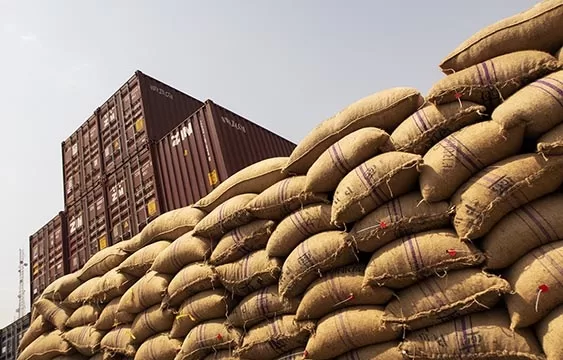
Dr. Forson further explained that the 2025/26 season introduced a new geopolitical challenge: a price war with Côte d’Ivoire.
In October 2025, the Ivorians hiked their producer price 20% above Ghana’s, creating a massive incentive for smuggling across the western border. To stem this tide, the Producer Price Review Committee (PPRC) was forced to adjust Ghana’s farmgate price to GHS 58,000 per tonne.
“However, the decision by the PPRC to increase the producer price of cocoa which made Ghana’s farmgate price competitive and stemmed the potential smuggling of Ghana’s crop was a short-lived victory.”
Dr. Cassiel Ato Forson, Finance Minister
As world market prices began to fall below $6,400 per tonne, the high producer price made Ghana’s cocoa “uncompetitive,” with international buyers unwilling to pay a premium for Ghanaian beans when cheaper alternatives were available elsewhere. They have largely pulled back from the Ghanaian market.
“Cocoa from other producing countries is now selling at prices significantly lower than the producer price of Ghana,” the Finance Minister said, concluding that the current “liquidity crunch,” is the result of years of mismanagement and a failure to hedge against price volatility.
He revealed that with COCOBOD unable to secure seed funding and international buyers shunning the product, the Cabinet has mandated “drastic reforms” to restore the industry’s viability.
As the government prepares a formal restructuring plan, the immediate priority remains finding the liquidity to pay farmers for beans already supplied, ensuring that the backbone of the Ghanaian economy does not collapse under the weight of inherited debt.
READ ALSO: Energy Minister Inaugurates New VRA Resettlement Trust Fund Board