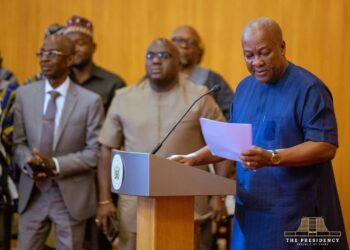

The Ghana Export Promotion Authority (GEPA) has concluded a series of high-stakes diplomatic and commercial maneuvers in Frankfurt, Germany, aimed at catapulting local exporters into the heart of the European consumer market.
Led by Deputy CEO Mr. Rashid Raymond Kramer, the Ghanaian delegation leveraged the Ambiente Fair – the world’s premier trade show for consumer goods – to pivot from traditional “participation” toward a more aggressive, results-driven export strategy.
“The engagements which took place focused on dismantling barriers to market entry and securing a permanent footprint for ‘Made in Ghana’ products within global retail value chains.
“With over 140,000 global buyers in attendance, GEPA’s mission was to move Ghana beyond the periphery of the exhibition floor and into the mainstream of high-volume international trade”
GEPA
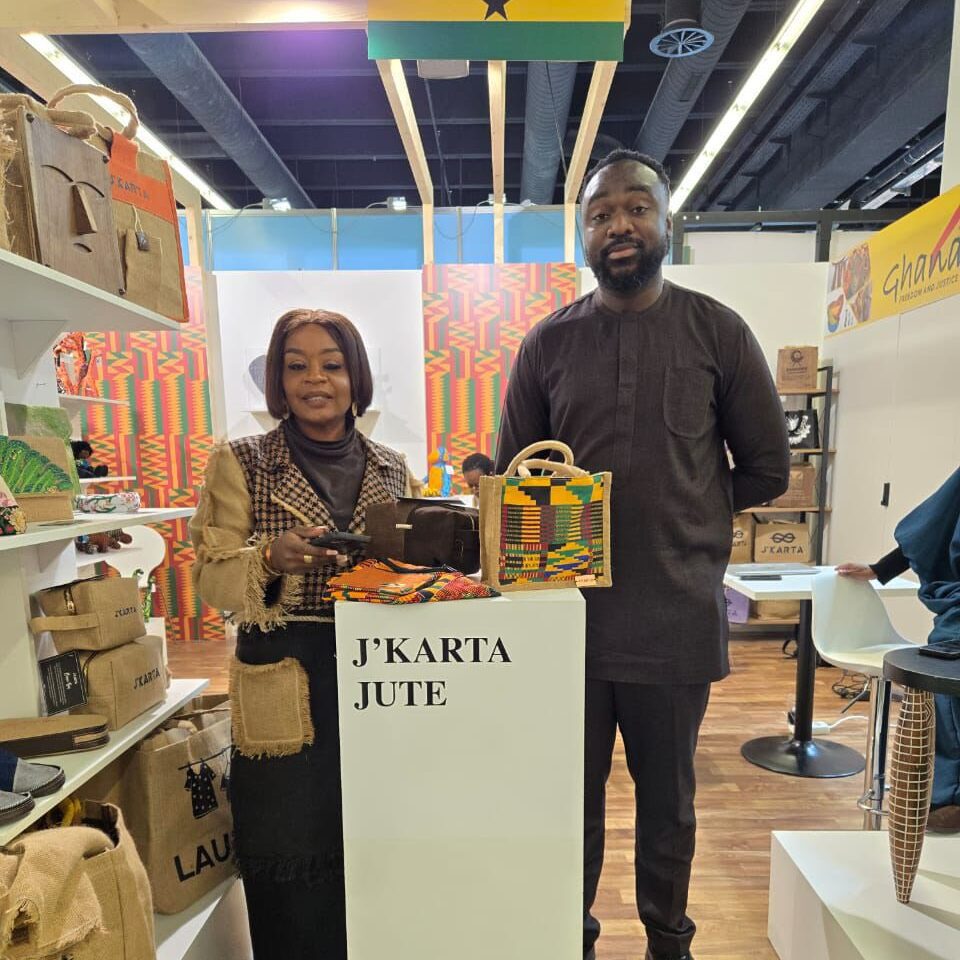
According to the Authority, similar to its representation at the Fruit Logistica 2026, a central theme of the mission was the optimization of the physical and commercial presence of Ghanaian exporters. In a strategic briefing with the Ambiente Fair organizers, Mr. Kramer pushed for a more prominent positioning of the Ghana Pavilion, arguing that visibility is the first step toward “measurable export growth.”

This proactive approach is part of GEPA’s broader “after-action” strategy, ensuring that the sheer scale of the Messe Frankfurt exhibition grounds does not drown out the unique value proposition of West African craftsmanship and industrial capacity.
By shifting the layout to emphasize high-demand sectors like sustainable home décor and premium artisanal gifts, GEPA aimed to turn passing foot traffic into long-term off-taker agreements.
Global Value Chains
In a rare move for a national trade fair delegation, the President of Ambiente personally visited the Ghana Pavilion to recognize the country’s growing influence in the consumer goods sector.
This high-level recognition served as a platform for Mr. Kramer to discuss specific pathways for integrating Ghanaian small-and-medium enterprises (SMEs) into the complex supply chains of European retail giants.
“The meeting provided an opportunity to discuss pathways for connecting Ghanaian exporters to a wider network of international buyers and enhancing their integration into global value chains”
GEPA

The visit signaled a shift in perception – Ghana is no longer seen merely as a source of raw materials, but as a producer of sophisticated, export-ready finished goods that meet the European market’s rigorous standards for design and sustainability.
Beyond the exhibition floor, GEPA’s leadership engaged with representatives from the Chamber of Commerce to foster B2B partnerships that outlast the five-day fair. These meetings focused on “market intelligence,” and regulatory alignment, helping Ghanaian businesses navigate the hurdles of the German market.
The focus remains on building a “bridge,” that allows local private sector players to bypass traditional middlemen and deal directly with European wholesalers.
By securing these institutional partnerships, GEPA seeks to ensure that the momentum generated in Frankfurt translates into actual shipping containers leaving the port of Tema in the months following the event.
The mission’s success will ultimately be measured by the volume of new contracts signed. As GEPA wraps up its 2026 Ambiente campaign, the focus shifts to follow-up and execution. The Authority emphasized that participation in such fairs is just the “entry point,” into a broader cycle of industrial transformation and export diversification.
As the delegation returns to Accra, the data gathered at Ambiente will inform the next phase of the National Export Development Strategy (NEDS), ensuring that Ghanaian exporters remain competitive, visible, and indispensable to the global market.