President John Dramani Mahama has positioned Ghana at the forefront of Africa’s gender equality agenda, urging governments, development partners, and the private sector to treat women’s empowerment as a shared responsibility and a driver of inclusive growth.
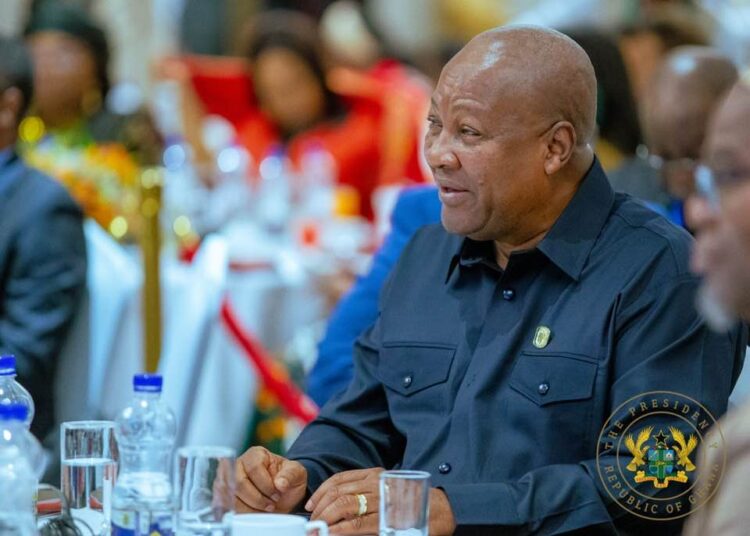
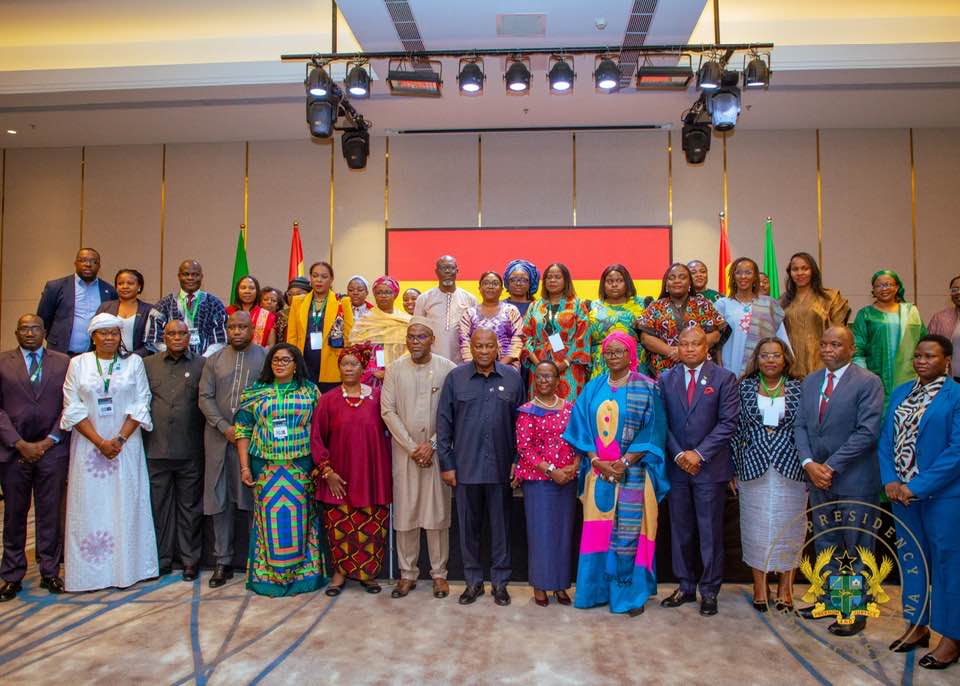
Speaking at a High-Level Breakfast Meeting on Financing and Reaffirming Africa’s Gender Commitments on the sidelines of the AU Summit in Addis Ababa, Ethiopia, the President said advancing gender parity is essential to Africa’s development ambitions and economic resilience, stressing that progress will depend on deliberate policy choices and sustained investment.
Addressing heads of state, ministers, and development stakeholders, President Mahama underscored that gender equality is not a peripheral social issue but a core economic strategy.
He argued that when women and girls are empowered through education, finance, and legal protections, economies grow faster, communities become more resilient, and institutions function more effectively. According to him, Africa’s long-term prosperity will remain constrained unless women participate fully in economic and political life.
Ghana’s Policy Record on Women’s Empowerment
Drawing on Ghana’s recent reforms, President John Dramani Mahama highlighted concrete steps his administration has taken to translate commitments into action.
Central among these is the allocation of forty million dollars to establish the Women’s Development Bank, a flagship initiative designed to expand access to affordable credit for women entrepreneurs and women led enterprises.

The bank, he said, aims to close persistent financing gaps that have historically limited women’s ability to scale businesses and create jobs. The President also pointed to progress in education, noting that Ghana has achieved gender parity in school enrolment at key levels.
He described this milestone as foundational, explaining that equal access to education equips girls with the skills and confidence needed to participate meaningfully in national development.
Beyond enrolment figures, he said the government is strengthening institutions that support women and girls, including agencies focused on social protection, entrepreneurship support, and gender based violence prevention.
A major legislative achievement cited was the passage of the Affirmative Action Gender Equity Act, which introduced binding targets to increase women’s representation in public life and decision-making.
President Mahama said the law reflects Ghana’s belief that structural barriers require structural solutions, and that voluntary commitments alone are insufficient to correct long-standing inequalities.
A Continental Call to Action
While outlining Ghana’s domestic efforts, President Mahama used the summit platform to challenge the African Union and its member states to deepen their collective response to gender inequality.
He called for the adoption of gender responsive budgeting across African governments, arguing that national budgets should explicitly account for how spending decisions affect women and men differently. According to him, without such an approach, gender commitments risk remaining rhetorical rather than transformative.
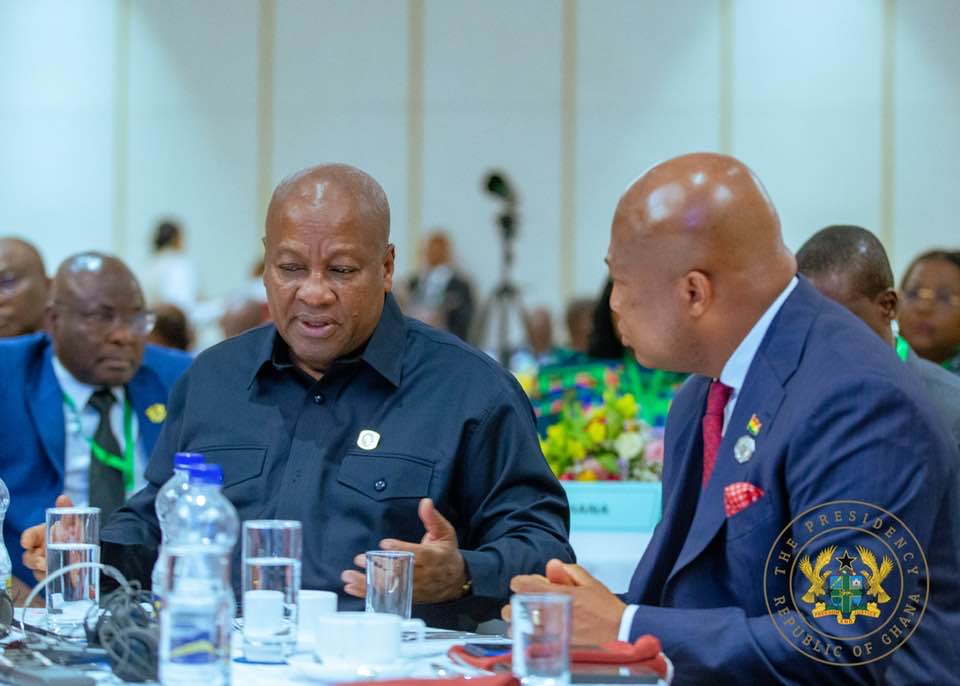
He further urged member states to fully implement the AU Convention on Ending Violence Against Women and Girls, describing violence as one of the most persistent obstacles to women’s participation in economic and public life.
Ending such violence, he said, is both a moral obligation and a development imperative. In addition, the President called for accelerated financial inclusion for women and young people, noting that access to banking, credit, and digital financial services is critical for unlocking innovation and productivity.
President Mahama extended his appeal beyond governments to the private sector and international financiers. He encouraged businesses and investors to align their financing decisions with African development priorities and to recognise gender equality as a smart investment rather than a charitable gesture.
According to him, evidence increasingly shows that companies and economies that invest in women enjoy higher returns, stronger governance, and greater social stability.
He stressed that partnerships between governments, development finance institutions, and private capital will be essential to mobilise the scale of resources required to close gender gaps. Treating women’s empowerment as a central pillar of economic strategy, he said, can help Africa compete more effectively in a changing global economy.
Gender Equality and Africa’s Development Path
President Mahama’s remarks align with broader continental debates about inclusive growth and social justice. As African economies confront pressures from debt, climate change, and global market volatility, there is growing recognition that development strategies must be people centred and inclusive.
Gender equality, many analysts argue, is increasingly seen as integral to economic reform rather than an add-on. By highlighting Ghana’s policy initiatives alongside a wider African agenda, President Mahama positioned his country as both a case study and a catalyst.
His call for coordinated action suggests a push to move beyond declarations toward measurable outcomes, with clear targets and accountability mechanisms. As the African Union Summit continues, discussions on gender equality are expected to feature prominently in side events and policy forums.
Ghana’s experience, particularly its legislative and financial innovations, is likely to inform peer learning among member states seeking to accelerate progress. President Mahama concluded by reaffirming that the journey toward gender parity requires persistence and partnership.
Empowering women and girls, he said, is not only about fairness but about unlocking Africa’s full potential. For Ghana, the message from Addis Ababa is clear: gender equality is central to national and continental renewal, and the time for decisive action is now.
READ ALSO: ADB Launches Symbolic Cloth, Pledges Rapid Growth