
The Chamber of Petroleum Consumers (COPEC) has projected an upward adjustment in fuel prices for the second pricing window of February 2026, citing rising global crude prices and the marginal depreciation of the Ghana cedi against the US dollar.
According to the Chamber, petrol, diesel and liquefied petroleum gas (LPG) are all expected to record price increases across various pumps nationwide. The anticipated adjustments come at a time when global oil benchmarks have seen renewed upward momentum, with local currency pressures further amplifying the impact on domestic retail prices.
In a statement signed by its Executive Secretary, Duncan Amoah, COPEC indicated, “Petrol is expected to move upwards by around 5-6%, whiles Diesel and LPG could increase by 6% across various pumps respectively.”
Petrol Prices to Climb by Nearly 7 Percent
For petrol, COPEC noted that the international FOB price rose from $626.36 per metric tonne to $652.64 per metric tonne, representing a 4.1 percent increase. When factored together with the 1.04 percent currency depreciation, the projected retail price translates into an estimated increment of 6.8 percent.
Based on its projections, COPEC expects petrol to retail between GHS11.56 per litre and GHS12.77 per litre, within a margin of error of plus or minus 5 percent.
The Chamber emphasized that these figures reflect current market indicators and could vary slightly depending on individual pricing strategies adopted by oil marketing companies.
Diesel Expected to See Significant Adjustment

Diesel is also projected to record a notable increase in the upcoming pricing window. The international FOB price of diesel climbed from “$659.25 per metric tonne to $695.94 per metric tonne,” marking a 5.57 percent rise over the period under review.
With the additional impact of the cedi’s 1.04 percent depreciation, COPEC estimates that diesel prices could increase by about 6.5 percent at the pump.
As a result, diesel is expected to sell between GHS12.73 per litre and GHS14.07 per litre, also within a margin of error of plus or minus 5 percent.
The anticipated rise in diesel prices could have broader implications for transportation and logistics costs, given the product’s extensive use in commercial transport and heavy-duty operations.
LPG Prices Also on the Rise
Liquefied petroleum gas is not exempt from the upward trend. COPEC’s analysis shows that the international FOB price of LPG increased from $476.3 per metric tonne to $508.77 per metric tonne, representing a 6.8 percent rise.
When combined with the marginal depreciation of the cedi, the projected average retail price of LPG is expected to reach approximately GHS11.4 per kilogram. Within a 5 percent margin of error, LPG could retail between GHS10.8 per kilogram and GHS11.97 per kilogram.
The projected increase in LPG prices may place additional pressure on households that rely on the product for cooking and other domestic uses, particularly amid ongoing cost-of-living concerns.
Global Crude Prices and Cedi Depreciation Driving Increases
COPEC’s analysis attributes the expected fuel price increase to two key factors: a marginal rise in international crude oil prices and the depreciation of the cedi against the US dollar.
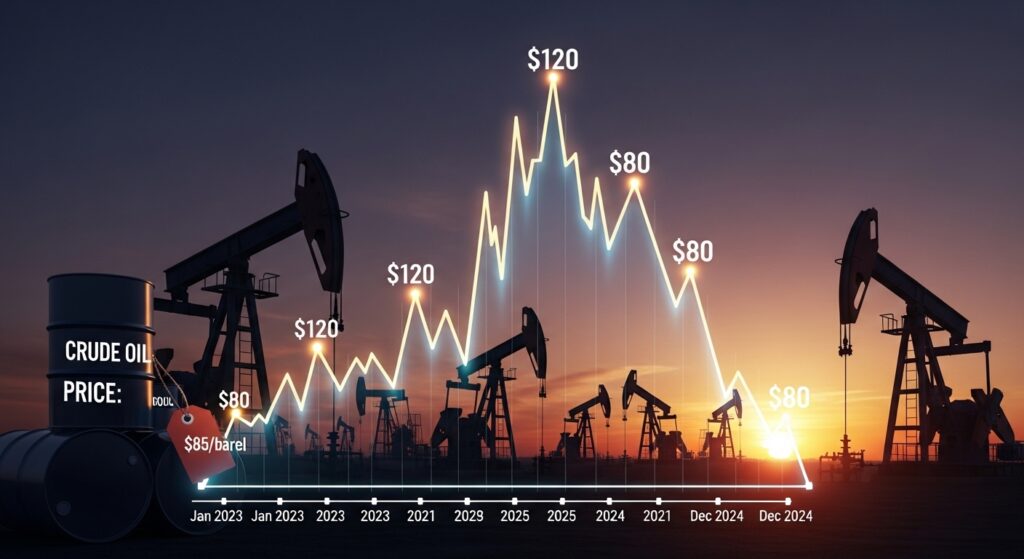
“Global crude prices increased by about 4.8 percent during the pricing window, moving from $67.4 per barrel to $70.64 per barrel.
“At the same time, the cedi weakened slightly, shifting from an average interbank rate of $1 to GHS10.98415 at the start of the window to $1 to GHS11.0990 by the close, representing a depreciation of roughly 1.04 percent.”
Duncan Amoah, Executive Secretary
These combined pressures have fed directly into the pricing build-up for finished petroleum products, which are largely influenced by international Free On Board (FOB) prices and exchange rate movements.
Call for OMCs to Cushion Consumers
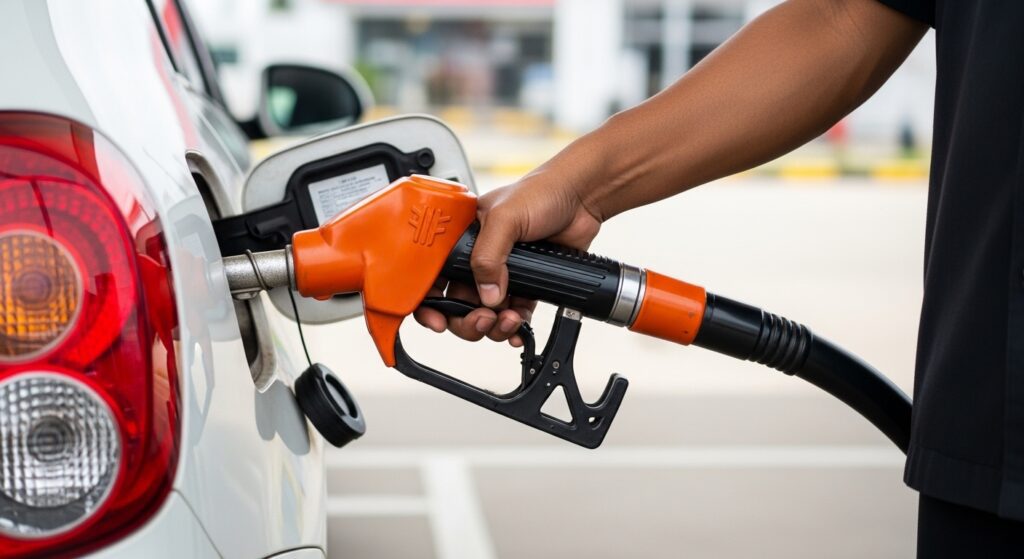
Despite the projected increases, COPEC has urged oil marketing companies to consider measures that could soften the impact on consumers.
“It is the expectation of COPEC that the various Oil Marketing Companies would absorb some portions of these upward adjustments by shelving some of their margins in order not to overburden the consumer with these expected steep pricing adjustments.”
Duncan Amoah, Executive Secretary
The Chamber’s appeal highlights concerns about the cumulative effect of rising fuel prices on households and businesses, especially in an environment where transportation and utility costs remain highly sensitive to petroleum price movements.
As the second pricing window of February 2026 approaches, consumers and industry players alike will be closely monitoring pump prices across the country.
While global market trends and currency performance remain key determinants, the final impact on consumers will also depend on pricing decisions taken by oil marketing companies in the days ahead.
READ ALSO: Mahama to Host Accra Reset ‘Addis Reckoning’ at AU Summit