

The Government has announced sweeping reforms to Ghana’s public land administration regime, making prior written approval from the Minister for Lands and Natural Resources a mandatory requirement for all public land transactions.
The directive, outlined by Lands and Natural Resources Minister Hon. Emmanuel Armah Kofi Buah, follows the Cabinet’s approval of a comprehensive committee report reviewing the management and allocation of public lands nationwide.
The new policy marks a decisive shift in oversight, placing ministerial authority at the center of all public land allocations processed by the Lands Commission.
“This measure reinforces ministerial oversight, ensures policy coherence, and provides additional safeguards against unauthorised or irregular allocations. Legislating public land application reforms to ensure sustainability and prevent the reversal to past practises”.
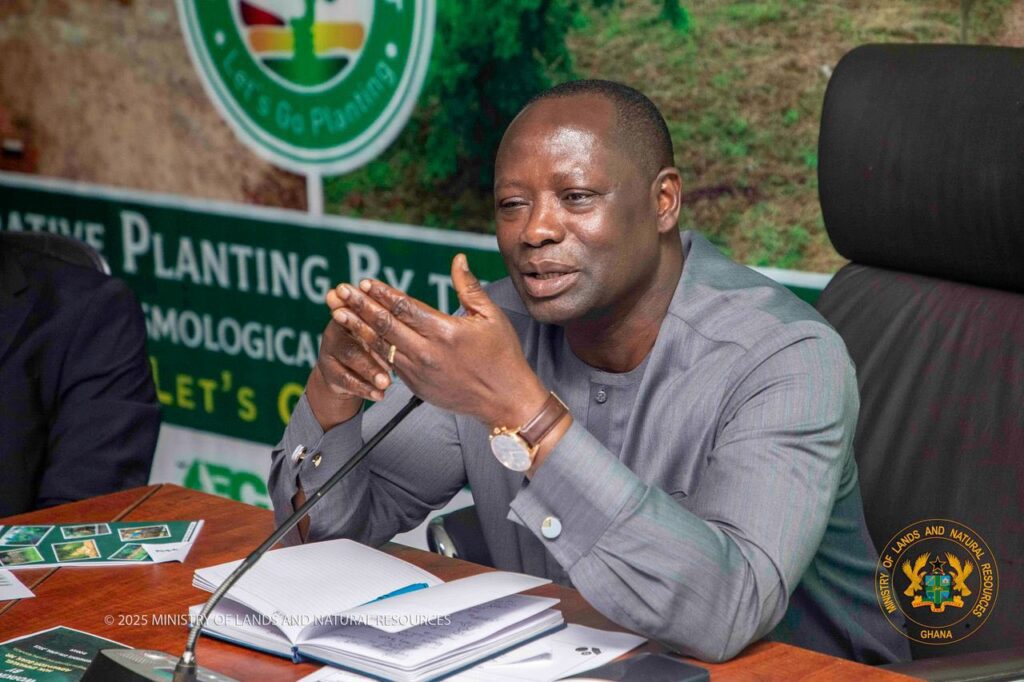
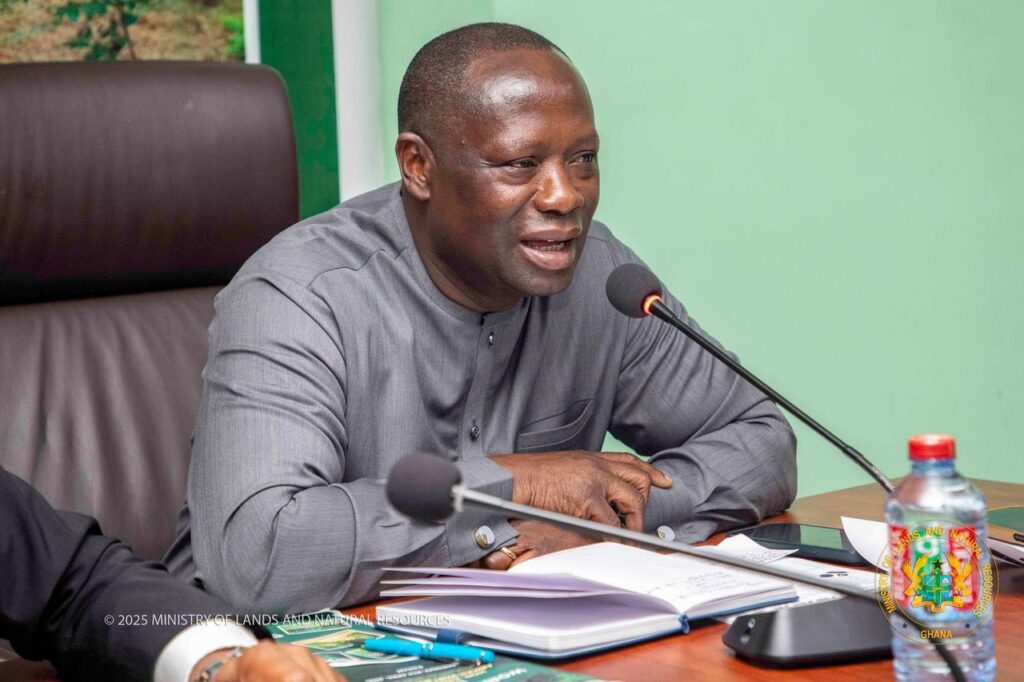
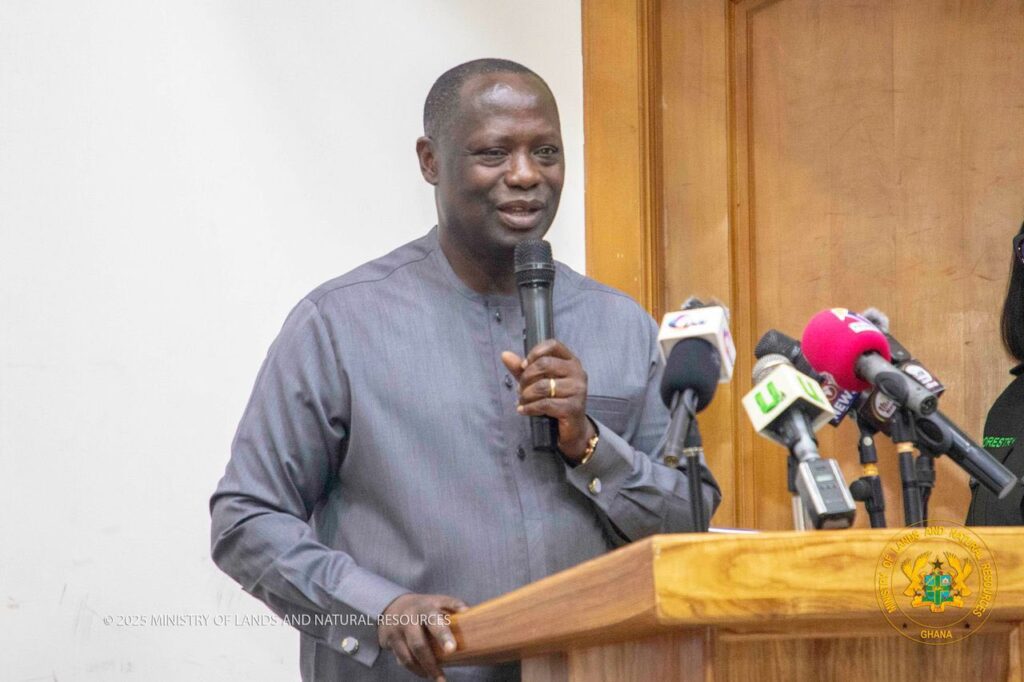
Lands and Natural Resources Minister Hon. Emmanuel Armah Kofi Buah
The reforms stem from a detailed review commissioned after President John Dramani Mahama, upon assuming office in January 2025, directed an immediate suspension of all public land lease and allocation activities. That intervention was intended to safeguard public lands from abuse and restore discipline within the system.



The committee established by the Ministry subsequently identified significant inconsistencies in the Lands Commission’s internal processes for public land allocation.
These weaknesses, the Minister explained, created opportunities for circumvention of controls and the processing of transactions without full compliance with established rules. In several cases, procedural gaps made it difficult to trace responsibility or hold officials accountable for questionable decisions.
A Reengineered Allocation Process
In response, the Ministry has undertaken a comprehensive review of the Lands Commission’s internal procedures. The revised framework clearly defines each stage of public land application processing, from initial submission through to final approval.
Internal checks have been strengthened, and decision-making at every level has been aligned with the principles of transparency, accountability, and traceability. Under the new system, no allocation of public land can be completed without explicit written approval from the Minister for Lands and Natural Resources.
Hon. Buah said this requirement reinforces policy coherence, ensures political accountability, and provides an additional safeguard against unauthorized or irregular transactions. The intention, he stressed, is to ensure that every official involved in the process can be identified, tracked, and held responsible for their actions.
Following the submission of the committee’s findings, Cabinet conducted a thorough review and endorsed the recommendations with firm directives for immediate implementation.
The Minister noted that this approval reflects the government’s broader resetting agenda, which places integrity and value for money at the heart of public asset management.
Legislating the Reforms for Sustainability
To prevent a return to past practices, the government is moving to entrench the new measures in law. The revised public land application process and the updated application forms will be incorporated into draft land regulations currently under review.
Once approved by Parliament, these regulations will provide statutory backing to the reforms, making them binding and enforceable beyond administrative directives.
Hon. Buah described this legislative step as evidence of the seriousness with which the government views public land reform. By embedding the new rules in regulation, the Ministry aims to ensure continuity, reduce discretionary practices, and protect the system from future political or institutional reversals.
A major issue uncovered by the committee was the inconsistent use of public land application forms across regions. Different versions of application documents were being used by regional offices, resulting in uneven standards and discretionary practices that weakened transparency.
The Ministry, working with the Lands Commission, has now completed a comprehensive review of the application process. A single revised application form will become the mandatory instrument for all public land transactions nationwide.
Rebuilding Public Confidence
The Minister emphasized that the reforms are ultimately about restoring public trust in land administration. Public lands, he said, are strategic national assets that must support development, infrastructure, and social services. Ensuring that their allocation follows clear rules and delivers value for money is essential to Ghana’s long-term development goals.
By tightening oversight, strengthening procedures, and legislating reforms, the government aims to transform public land administration into a system defined by integrity and accountability rather than discretion and opacity.
Hon. Buah concluded that the success of the reforms will depend on consistent enforcement and the collective commitment of institutions to uphold the new standards.
With Cabinet backing and ministerial oversight now firmly in place, Ghana’s public land administration enters a new phase. The requirement for ministerial approval signals a clear break from the past and sets a higher bar for transparency in the management of public assets.
As the reforms take hold, government officials believe the changes will not only prevent abuse but also strengthen investor confidence and public trust. In the words of the Minister, the goal is simple but far reaching: to ensure that public lands are managed responsibly, transparently, and always in the best interest of the Ghanaian people.
READ ALSO: GB Foods Unveils 6,000-Acre Tomato Project