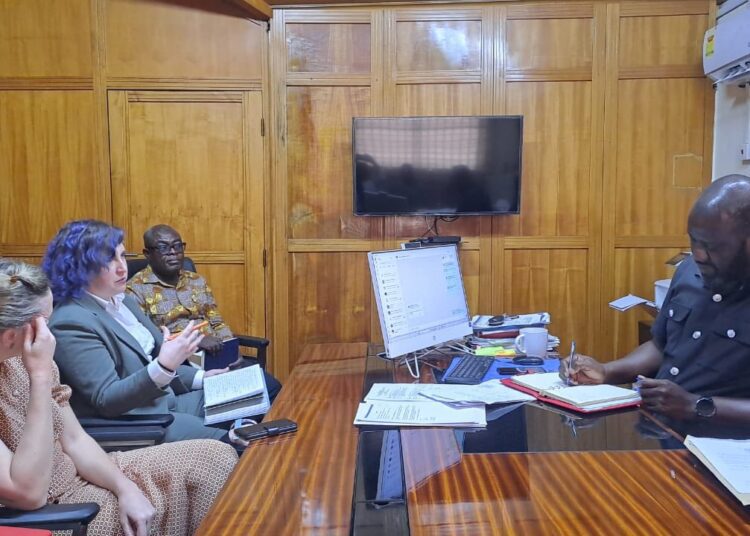
The Fisheries Commission has reaffirmed its commitment to global technical cooperation following a high-level strategic engagement with the United Kingdom’s leading marine science authority.
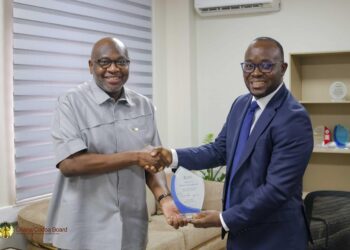
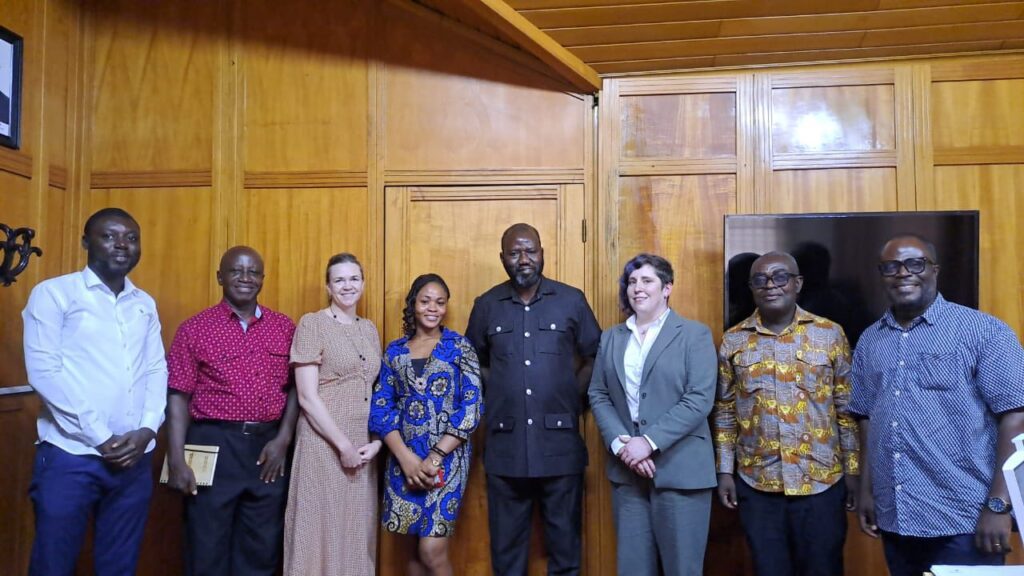
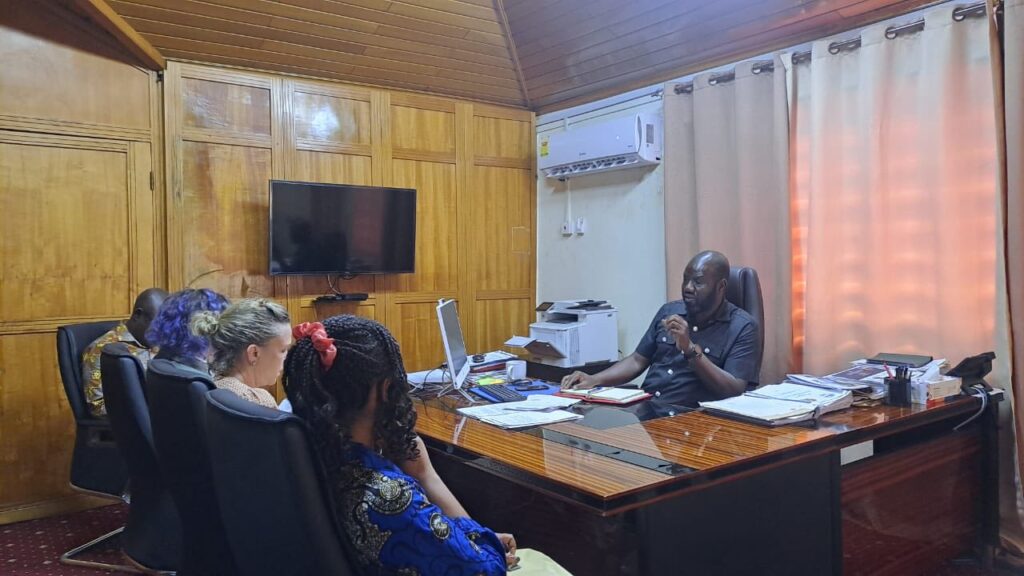
The Commission hosted Dr. Jessica Witt of the Centre for Environment Fisheries and Aquaculture Science (CEFAS) and the Animal Health and System Strengthening (AHSS) project for a visit and technical briefing.
“Facilitated through the British High Commission, the meeting served as a critical pillar in Ghana’s drive to modernize its maritime governance through world-class scientific partnerships.
“It also reaffirmed the strong collaboration between Ghana and the United Kingdom in promoting sustainable fisheries management and strengthening institutional partnerships”
Fisheries Commission
This diplomatic visit arrives at a pivotal moment for the Ghanaian fishing industry, which is currently undergoing a massive regulatory overhaul under the Great Industrial Reset.
By aligning with CEFAS – an agency renowned for its expertise in stock assessment and aquatic health – the Fisheries Commission is ensuring that its recent policy shifts, including the expansion of the Inshore Exclusion Zone, are supported by rigorous, international-standard data.
Deepening The Blue Economy Partnership
The discussions centered on the long-standing collaboration between the two nations, focusing on how British technical expertise can be leveraged to strengthen Ghana’s institutional capacity.
The Commission noted that the partnership is particularly vital for the implementation of the Sustainable Ocean Plan, where data-driven decision-making is required to reverse the decline in small pelagic stocks.
For the Commission, the meeting was an opportunity to showcase its progress in gear auditing while identifying new areas where UK science can assist in tracking the health of the marine ecosystem.
By tapping into the AHSS framework, the Commission is also looking toward improving the biosecurity and health of Ghana’s growing aquaculture sector, ensuring that local fish products meet the stringent safety standards required for international export.
The engagement concluded with a strong message of mutual appreciation and a roadmap for continued cooperation throughout the 2025/26 crop and fishing year.
Executive leadership at the Commission emphasized that international partnerships are not a substitute for local action, but rather a “scientific shield,” that protects Ghana’s maritime sovereignty from the threats of climate change and illegal fishing.
As Ghana continues to reform its maritime laws, the presence of partners like CEFAS provides the technical legitimacy needed to attract further “Blue Bonds” and international investment.
For the thousands of artisanal fishers along the coast, this scientific alliance translates into a more predictable and sustainable future, where the management of the sea is guided by facts rather than guesswork.
READ ALSO: Gold Prices Drop as Dollar Strengthens