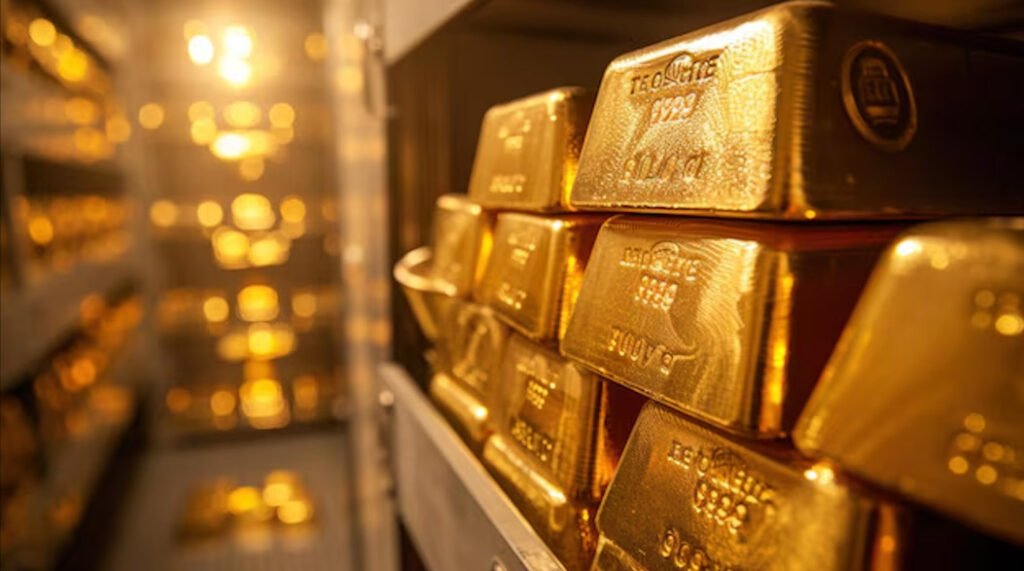
Gold prices have experienced a notable decline shedding 1% as a rallying U.S. dollar and subdued trading volumes in Asia pressured the precious metal.
The retreat comes as major Asian financial hubs remain shuttered for the Lunar New Year holidays, leaving the market susceptible to price swings amid thin liquidity.
With the U.S. dollar index gaining ground against a basket of major currencies, the greenback-denominated bullion has become increasingly expensive for international buyers, effectively capping the recent bullish momentum seen in the extractive sector.
Delving deeper into the market fundamentals, spot gold dipped to $4,947.98 per ounce, marking a significant psychological test for investors after the metal recently flirted with the $5,000 threshold.
The “firmness of the dollar” is being driven by a cautious global sentiment as traders await the Federal Reserve’s upcoming minutes and crucial GDP data, which are expected to provide clearer signals on the trajectory of interest rate cuts.
Consequently, non-yielding assets like gold are facing a dual challenge: a stronger currency rival and a “lack of fresh upside catalysts” in a holiday-thinned market, forcing short-term holders to lock in profits.
“Bull markets need to be fed fresh fundamental fodder often, and with the gold and silver markets, there’s been a lack of fresh bullish fundamental news lately to drive prices still higher.”
Jim Wyckoff, senior analyst at Kitco Metals.
Implications for the Ghanaian Gold Market
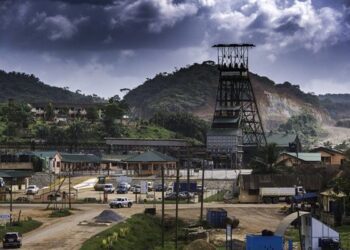
For Ghana, the world’s leading gold producer in Africa, this 1% price dip translates into immediate fiscal considerations for both the state and local mining firms.
A lower global spot price directly impacts the country’s mineral royalty receipts and the “export value” of its primary commodity, potentially tightening the national budget if the trend persists.
Small-scale and artisanal miners, who are highly sensitive to daily price fluctuations, may see a “narrowing of profit margins,” especially as the cost of imported mining equipment often priced in dollars rises simultaneously with the greenback’s appreciation.
Mining Operations and Investment Sentiment

The strengthening dollar creates a paradoxical environment for major extractive players operating within the Birimian gold belts.
While a stronger dollar increases the local purchasing power of mining companies whose revenues are in USD but operational costs are partially in Cedis, the “volatile price environment” can lead to a more conservative approach toward capital expenditure for new exploration projects.
Institutional investors in Ghana’s extractive space are currently “staying cautious,” monitoring whether this drop is a temporary correction or a precursor to a longer-term bearish trend influenced by U.S. monetary policy.
Macroeconomic Outlook and Hedging Strategies

In the broader context of Ghana’s extractive strategy, the current price dip highlights the importance of the government’s Domestic Gold Purchase Programme (DGPP) and other hedging mechanisms designed to stabilize the economy.
Experts argued that if the dollar continues its “upward trajectory,” the Bank of Ghana may need to accelerate its domestic gold purchase program to bolster national reserves against currency depreciation.
For the extractive industry, the focus remains on operational efficiency and “lowering the all-in sustaining cost (AISC),” ensuring that Ghanaian mines remain competitive even when global headwinds momentarily dampen the luster of the yellow metal.