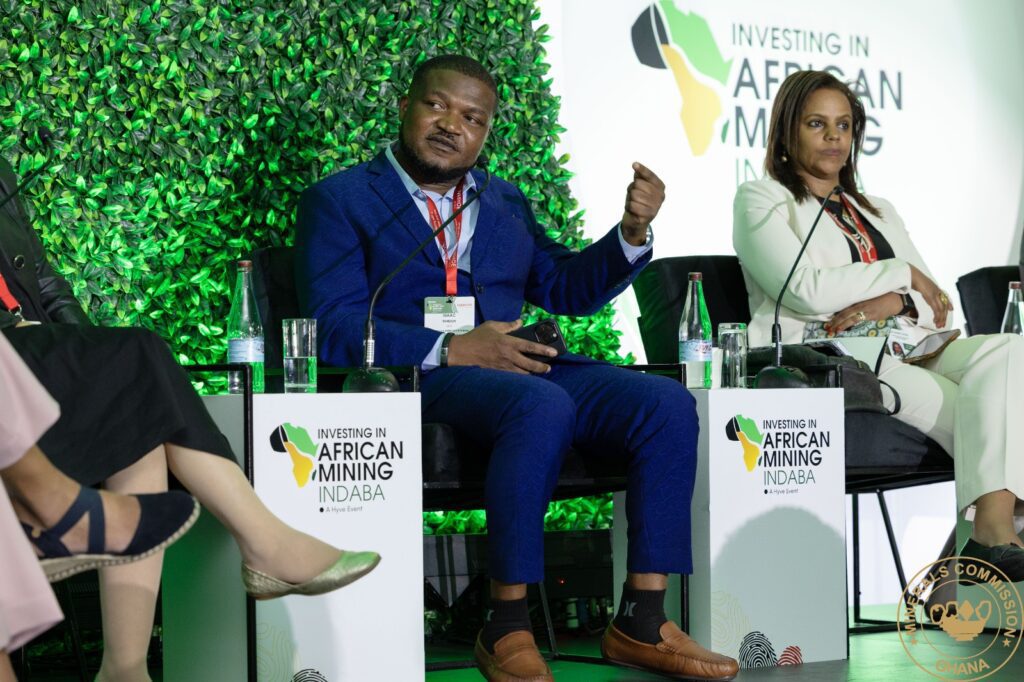
Chief Executive Officer of the Minerals Commission, Mr. Isaac Tandoh, has called for a fundamental shift in Ghana’s mining landscape, emphasizing that the era of being “spectators” in the extraction of national wealth must end.
The call by Mr. Isaac Tandih reflects the need for local content development and a burgeoning national urgency to move beyond mere employment statistics and toward genuine ownership and equity stakes for Ghanaians in the mining sector.
The Minerals Commission argued that while the land was once known as the Gold Coast to signal its immense riches, the contemporary reality of “fronting” where foreign interests hide behind Ghanaian names has disempowered the citizenry and drained the nation of its rightful benefits.
“Employment is not the same as ownership; labour is not the same as control. Our people are working in their mines, agreed, but they do not own these mines. We must ensure that Ghanaians own, participate, and benefit from our mineral wealth.”
Mr. Isaac Tandoh
Mr. Tandoh highlighted the historical irony of a nation that provided the labor for colonial extraction but never owned the mines, a pattern that persists today through unethical practices and long-term leases that “outlaw” the interests of future generations.
He challenged the status quo of 15-to-30-year mining leases that lock up resources under arrangements that often favor foreign capital over local development.
To rectify this, the Commission has initiated a professional, non-political “cleansing” of the sector, already revoking over 300 small-scale mining licenses that were either fraudulently acquired or held by unqualified individuals.
This move is part of a broader strategy to ensure that those who hold mineral rights are active participants in the nation’s growth, rather than proxies for external interests.
Decentralization and the Overhaul of Act 703
A critical pillar of this new era is the comprehensive overhaul of the Minerals and Mining Act(Act 703) and the Minerals and Mining Policy 2014.
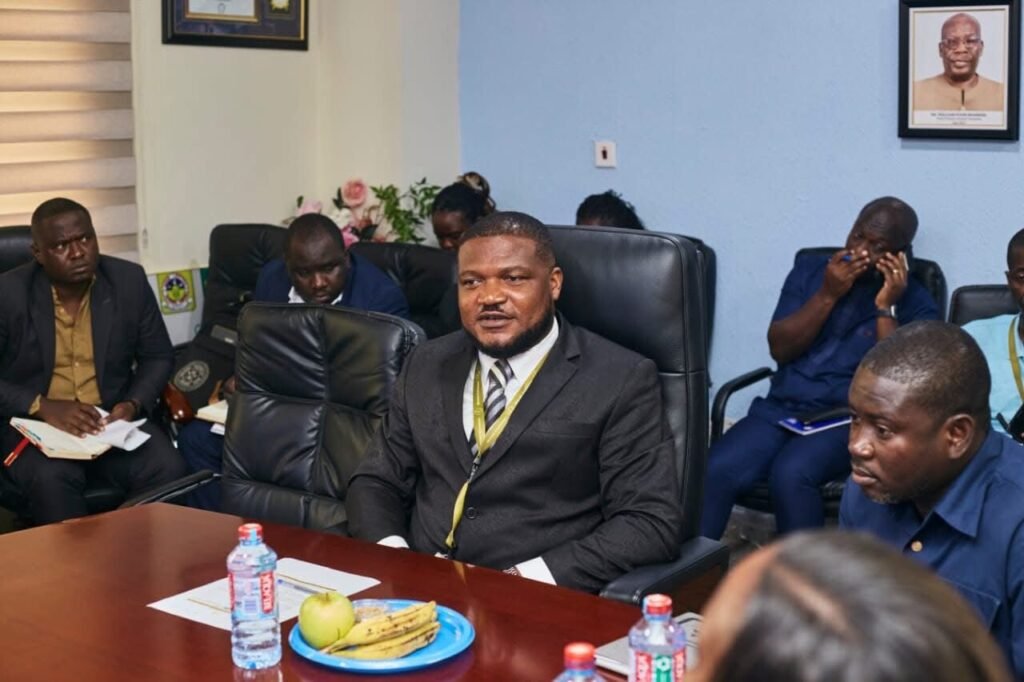
According to Mr. Tandoh, these legislative reforms are designed to transform local content from “paper provisions” into operational realities. A key feature of this reform is the operationalization of District Mining Committees.
By ensuring that no license is processed without the direct recommendation of these local bodies, the Commission is effectively decentralizing authority and giving host communities a seat at the table before a single grain of earth is moved.
Furthermore, the introduction of a medium-scale licensing category aims to bridge the gap between artisanal operations and multinational giants.
This tier is specifically designed to empower Ghanaian entrepreneurs with the capacity to operate responsibly and at a scale that keeps profits within the local economy.
As Mr. Tandoh noted, these reforms are “empirical” and essential to realizing a vision where mineral deposits build national infrastructure rather than solely enriching foreign lands.
Economic Imperative of Local Equity
The benefits of local participation extend far beyond social justice; they are essential for macroeconomic stability and sustainable development.
When Ghanaians hold significant equity stakes, the “repatriation of profits” is curtailed, allowing more capital to remain within the domestic banking system.
This strengthens the Cedi and provides the necessary liquidity for local banks to fund other sectors of the economy.
Research indicates that countries with high local ownership in mining, such as Botswana, experience more resilient “value retention” which translates into better healthcare, education, and roads.
Moreover, local participation fosters the development of a “homegrown” supply chain. By prioritizing Ghanaian-owned service providers for everything from engineering to catering, the mining industry creates a multiplier effect.
Unlike foreign-led firms that may prefer international vendors, local owners are more likely to reinvest in the community, creating a self-sustaining ecosystem of industrial growth. This shift from “transactional procurement to transformational partnerships” ensures that when the minerals are eventually exhausted, the nation is left with a sophisticated industrial base rather than just empty pits.
Safeguarding the Future: Transparency and Accountability
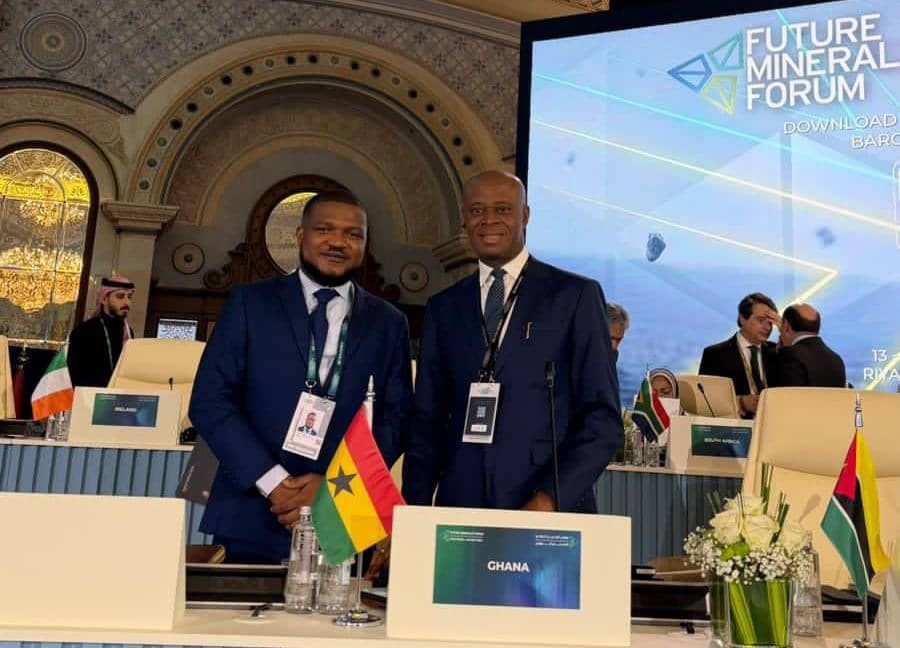
The Minerals Commission’s recent actions signal a departure from the “scourge” of unethical mining practices.
By following due process in the revocation of licenses, the Commission is setting a precedent for regulatory certainty and transparency.
Mr. Tandoh’s plea to his “Ghanaian brothers and sisters” to stop lending their names to foreign entities is a call for national integrity. The message is clear: true empowerment comes from being a principal, not a proxy.
As Ghana enters this new chapter 70 years after independence, the focus has shifted toward securing “meaningful benefits” that outlast political cycles and specific government tenures.
The synergy between the Ministry of Lands and Natural Resources and the Minerals Commission suggests a unified front in reclaiming the nation’s “mineral sovereignty.”
READ ALSO: NDC Expels Umar Sanda over Ayawaso East Independent Bid