Minerals Commission has pledged its commitment preparedness to overhaul Ghana’s extractive landscape, signaling a shift toward a more transparent, locally-driven, and strictly regulated industry.
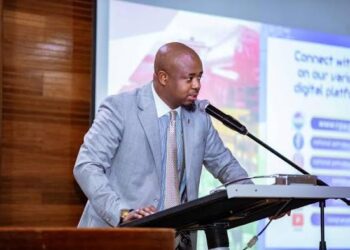
Speaking at the 2026 Local Content Summit, Minerals Commission’s CEO, Mr. Isaac Tandoh emphasized the commission’s alignment with the Presidency’s vision of ending raw export. He further added that the commission is ready to move beyond traditional extraction and foster a sector where regulatory enforcement is applied without fear or favor.
This declaration serves as a strategic roadmap for the “next phase of growth,” ensuring that mining activities in Ghana translate into sustainable economic sovereignty.
“On behalf of the Minerals Commission, I want to state clearly and firmly that we are ready. We are ready to run the President’s vision and implement the reforms under the Minister’s leadership. We are ready to enforce the laws with no fear or favour.”
Mr. Isaac Tandoh
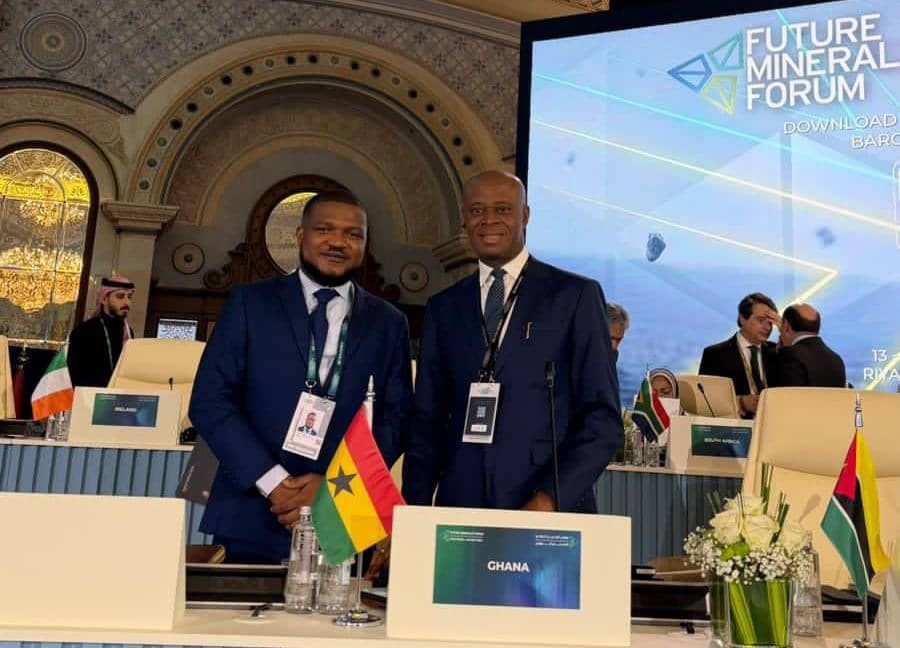
According to Mr. Isaac Tandoh, the Commission is prioritizing the professionalization of Ghanaian entrepreneurs and the protection of the environment through more rigorous oversight.
By closing existing regulatory loopholes and targeting the practice of “fronting”—where foreign entities hide behind local names the regulator aims to ensure that indigenous participation is both genuine and value-adding.
Under the leadership of the sector minister, Hon. Armah-Kofi Buah, the Commission is also deepening its collaboration with traditional leaders and civil society to ensure that local communities, who often bear the brunt of environmental costs, finally receive tangible and measurable benefits from the nation’s mineral wealth.
Bridging the Industrial Divide

The vow by the Minerals Commission CEO, is set to bridge the historical gap between large-scale multinational operations and the burgeoning domestic mining sector.
By introducing a “medium-scale mining license category,” the Commission is creating a formalized pathway for local miners who have outgrown artisanal status but previously lacked the regulatory framework to scale up.
This strategic shift ensures that the industry is no longer an “enclave-style” economy but an integrated ecosystem where “Ghanaian-owned companies now have the financial muscle and technical expertise to run large-scale operations,” according to industry analysts.
This transition is critical for retaining value within the country and reducing the capital flight that has characterized the sector for decades.
Enforcing Accountability and Local Ownership
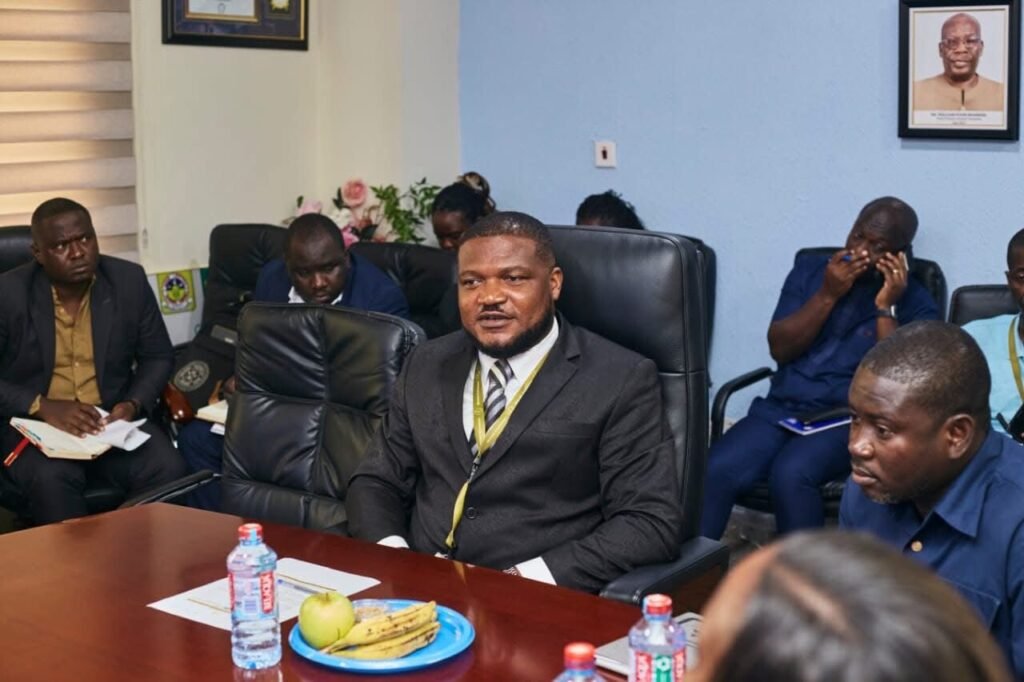
The Commission’s “unwavering commitment” to reform is specifically designed to eliminate the historical disconnect between mineral extraction and community development.
By moving toward a “direct revenue-sharing model,” the regulator is ensuring that infrastructure, healthcare, and education in mining-affected areas are no longer treated as “ad hoc corporate social responsibility” but as mandatory, trackable obligations.
The CEO’s firm stance against “regulatory evasion” acts as a deterrent to unscrupulous actors, reinforcing Ghana’s position as a premier, “predictable legal and political environment where contracts are respected,” while simultaneously ensuring that local content is treated as a “strategic necessity rather than an afterthought.”
Vision for Sustainable Extraction
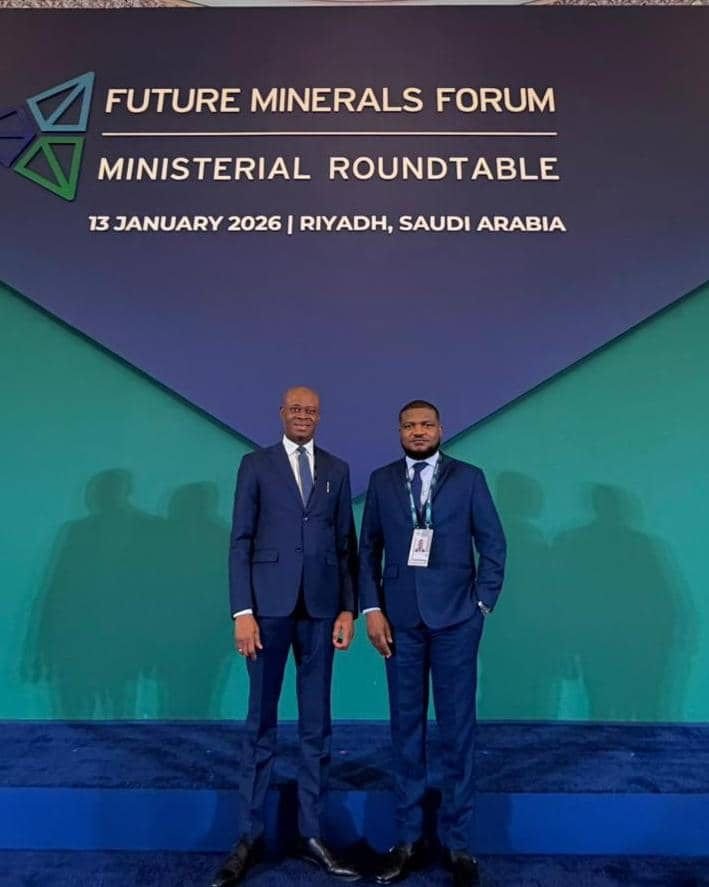
Central to this transformation is the “responsible mining agenda,” which seeks to balance aggressive investment attraction with stringent environmental safeguards.
The Commission’s readiness to “partner genuine investors” who view Ghana as a “partner in progress” reflects a new era of “inclusive strategies across mineral value chains.”
By fostering joint ventures and technology transfer, the Commission is ensuring that the exploitation of finite resources like gold and lithium leaves behind “infinite capabilities” in the form of a skilled workforce and a robust industrial base.
This holistic approach ensures that the minerals of today secure the economic future of tomorrow’s Ghana.