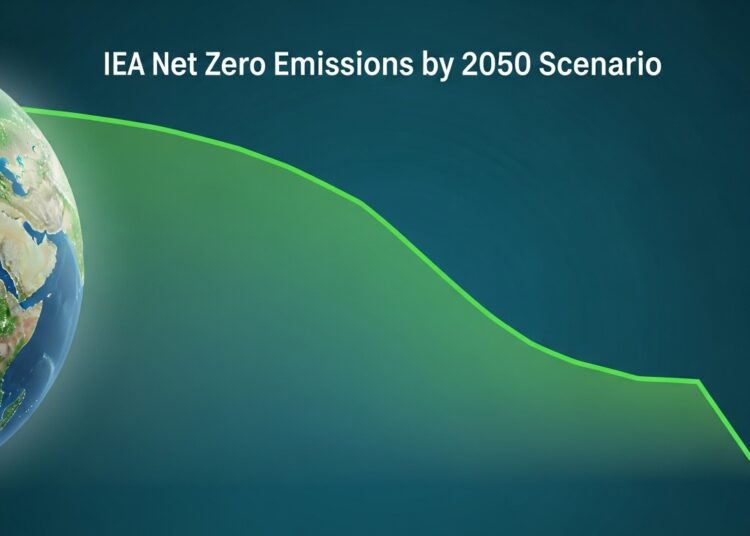
The Trump administration has issued a stark warning to the International Energy Agency, threatening to withdraw U.S. membership unless the body moves away from what Washington describes as its “IEA net zero agenda” within a year.
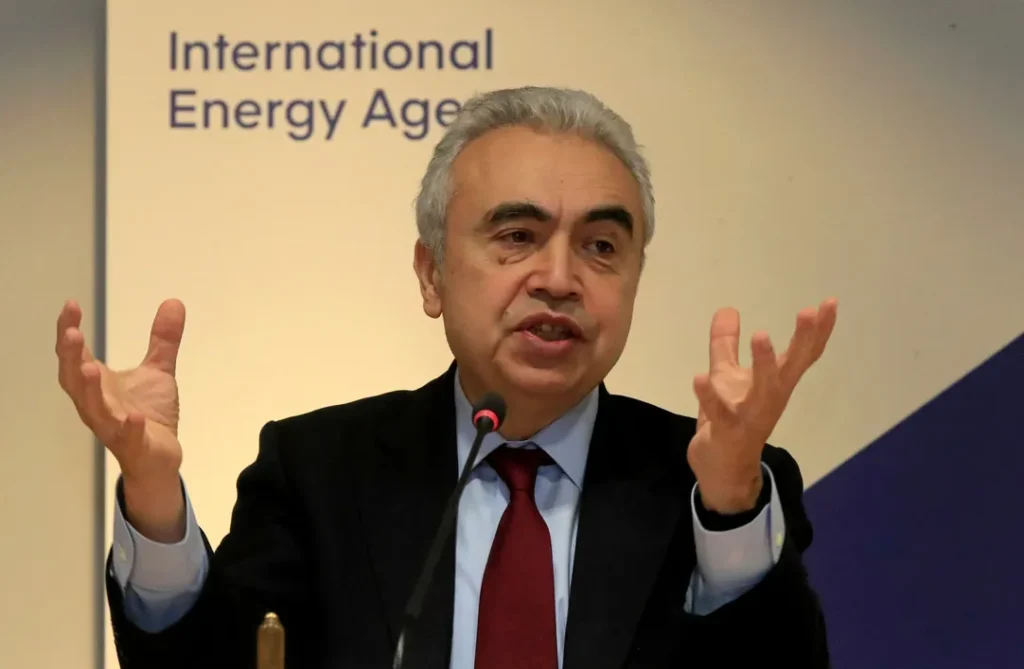
U.S. Energy Secretary Chris Wright said that the agency’s continued emphasis on achieving net zero carbon emissions by 2050 risks undermining energy security and economic competitiveness. His remarks mark one of the most forceful challenges yet to the agency’s climate-focused roadmap.
Speaking on the sidelines of an energy forum, Wright said the U.S. would use “all the pressure we have” to push the Paris-aligned energy watchdog to reconsider its direction.
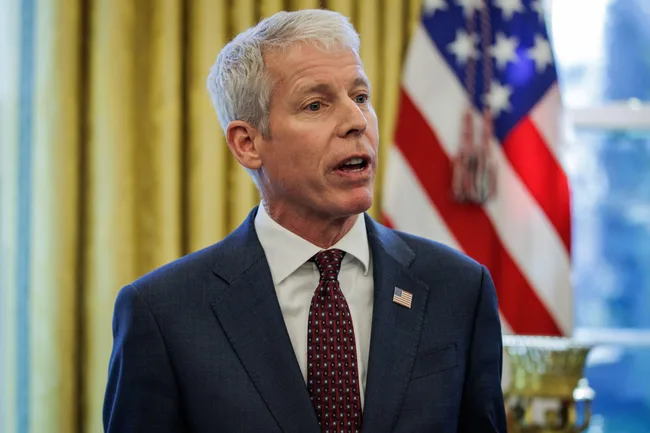
“There has been such a group mentality, 10 years invested in a destructive illusion of net zero by 2050, that the U.S. will use all the pressure we have to get the IEA to eventually, in the next year or so, move away from this agenda.”
U.S. Energy Secretary Chris Wright
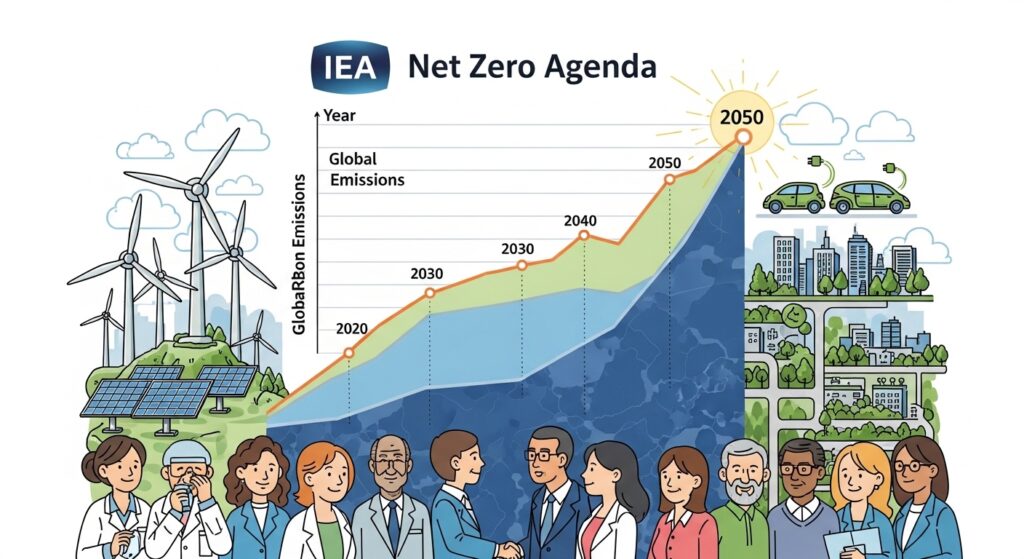
The warning effectively places a one-year clock on the agency to recalibrate its policy recommendations. The IEA’s influential “Net Zero by 2050” roadmap outlines how the global energy sector could achieve carbon neutrality by mid-century, aligning with the temperature goals set under the 2015 Paris climate accord.
Wright’s comments reflect a broader recalibration of U.S. energy policy under President Trump, emphasizing expanded oil and gas production while scaling back certain climate initiatives.
Balancing Climate Goals and Energy Security
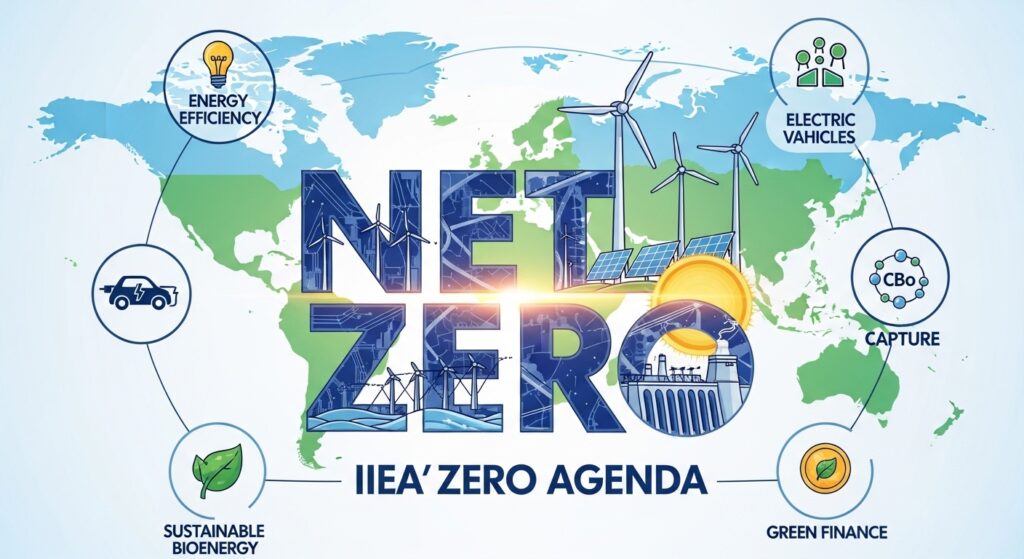
The United States was among nearly 200 nations that signed the 2015 Paris Agreement, committing to limit global warming by reducing reliance on fossil fuels.
The IEA’s roadmap envisions dramatic cuts in oil, gas, and coal consumption to hold global temperature increases to 1.5°C above pre-industrial levels.
However, the Trump administration argues that rigid adherence to net zero targets could jeopardize economic growth and national security. Wright said several countries privately share Washington’s concerns.
“We are certainly seeing a lot of nations, at least privately, talking about wanting to become competitive again, wanting to re-industrialize their countries, wanting to have strong militaries.”
U.S. Energy Secretary Chris Wright
According to Wright, some governments are reluctant to publicly retreat from green commitments due to domestic political pressures, particularly in Europe.
“A number of the European nations have staked their political platforms… on a net zero agenda,” he said, adding that political change may be the only force capable of shifting those positions.
Despite the ultimatum, Wright clarified that the U.S. does not necessarily want to exit the Paris-based agency outright. He acknowledged that such a move could open the door for greater Chinese influence within the organization.
Carbon Capture and Energy Policy Shift
The administration’s position does not entirely dismiss climate mitigation. Instead, it is reshaping how federal resources are allocated. In July 2025, President Trump signed the One Big Beautiful Bill Act, which expanded the 45Q tax credit for carbon capture.
The revised measure raises the credit to $85 per metric ton for carbon dioxide used in enhanced oil recovery, bringing it in line with incentives for permanent underground storage.
This shift makes it more financially attractive for oil companies to inject captured CO₂ into aging oil fields to boost production.
At the same time, the Department of Energy has canceled billions of dollars in funding earmarked for clean energy and industrial decarbonization projects, including $3.7 billion in grants intended to help heavy industries lower emissions.
The policy approach signals a strategic pivot: maintaining support for carbon capture technologies tied to oil production while trimming broader climate spending programs.
Global Implications
The standoff between Washington and the IEA comes at a critical moment for global energy markets. Ongoing geopolitical tensions, supply chain uncertainties, and fluctuating oil prices have intensified debates over how quickly the world can transition away from fossil fuels without destabilizing economies.
If the U.S. were to withdraw, it would mark a significant rupture in transatlantic energy cooperation and potentially reshape the agency’s influence.
Analysts note that American participation lends substantial financial and political weight to the organization’s reports and recommendations.
For now, the administration appears focused on reform rather than rupture. The coming year is likely to see behind-the-scenes diplomacy as both sides weigh the consequences of confrontation.
As Wright framed it, the debate is not simply about emissions targets but about the future direction of global energy governance. Whether the IEA adjusts its trajectory or doubles down on its climate commitments could define the next chapter of international energy policy.