Bogoso-Prestea gold mine has re-entered the production phase, marking its first gold pour following a nearly two-year operational halt.
Now under the management of Heath Goldfields Limited, which assumed control in late 2024, the facility has transitioned from care and maintenance back to an active extractive site.
This milestone signifies the end of a 24-month period of inactivity that was previously triggered by capital constraints and administrative challenges under former operators.
“I am immensely proud to announce that after successfully navigating and overcoming all these hurdles, the historic Bogoso-Prestea gold mine, under the stewardship of Heath Goldfields Limited, has achieved its first gold pour after 24 months of complete stoppage. It’s not just a return to production; it is a powerful symbol of resilience, determination, and Ghanaian stewardship.”
Patrick Mensah, Managing Director of Heath Goldfields
The restoration of the mine follows an intensive redevelopment program that involved the settlement of substantial legacy debts, including outstanding employee entitlements and significant utility arrears.
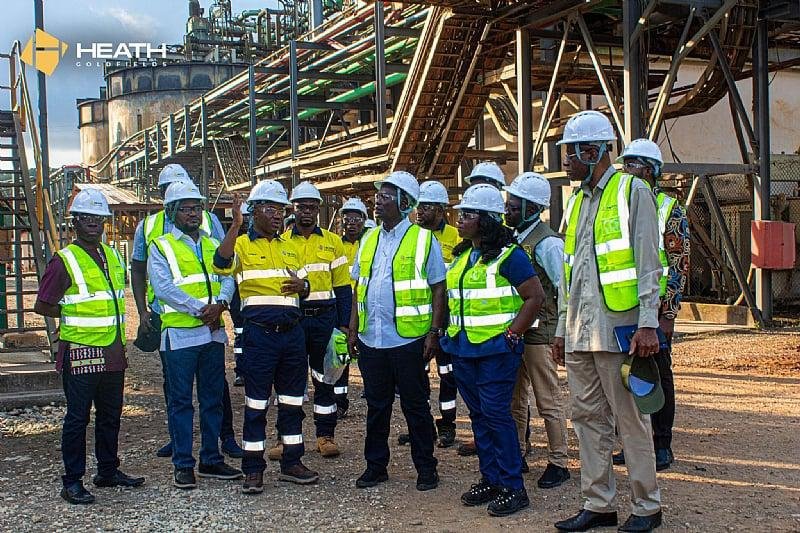
Since the takeover, the new management has focused on stabilizing the site’s infrastructure and restoring the workforce, which now comprises over 1,400 employees.
This strategic restart is positioned as a pivotal moment for the Western Region’s mining landscape, transitioning from a state of “complete stoppage” to a functioning “symbol of Ghanaian stewardship” within the extractive sector.
Economic Revitalization and Local Content Integration
The resumption of activities is expected to serve as a primary economic catalyst for the Bogoso and Prestea townships, which have historically relied on the mine as a “strategic national asset and key economic lifeline.”
Beyond the immediate recruitment of 1,400 workers, the mine’s operation is designed to stimulate the local “ancillary service sector,” providing opportunities for indigenous contractors and vendors.
By prioritizing “inclusive hiring and partnerships with local businesses,” Heath Goldfields aims to ensure that the circulating capital from gold production directly bolsters the regional economy and reduces the “prolonged despair” previously felt by the host communities.
Community Development and Social Investment Framework
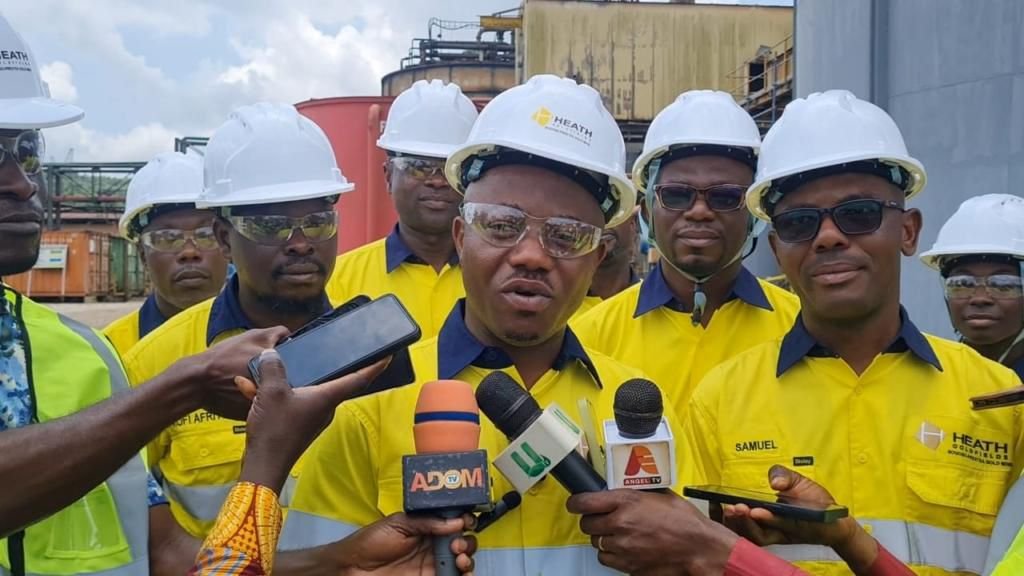
Central to the new operational phase is a structured commitment to social responsibility through the establishment of a Mine Development Foundation.
This vehicle is tasked with identifying and funding “community priorities in education, healthcare, and local development projects,” such as the upgrading of health facilities and the provision of vocational training for the youth.
By tying the “developmental fortunes of the host communities” to the mine’s profitability specifically through contributions based on gold ounces produced the framework ensures a transparent and sustainable flow of investment into local infrastructure, ranging from “water and sanitation” to “agribusiness and skills development.”
Environmental Stewardship and Sustainable Mining
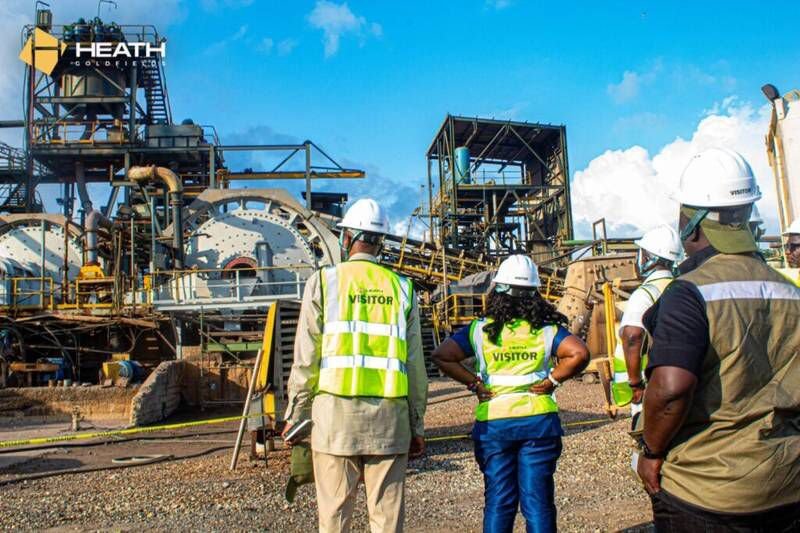
As the mine ramps up production toward a target of 285,000 ounces annually under its Phase One redevelopment plan, environmental compliance remains a critical pillar of its “social license to operate.”
Heath Goldfields has integrated “zero-harm tailings practices” and “closed-loop water systems” to mitigate the ecological risks that often accompany large-scale extraction.
Furthermore, the company’s “palm plantation initiative” seeks to reclaim mined-out land, transforming formerly active sites into productive ecosystems that offer long-term agricultural value to the residents of the Prestea-Huni Valley enclave.
READ ALSO: CDD-Ghana Warns Against Rushed Laws Under Mahama’s First Year