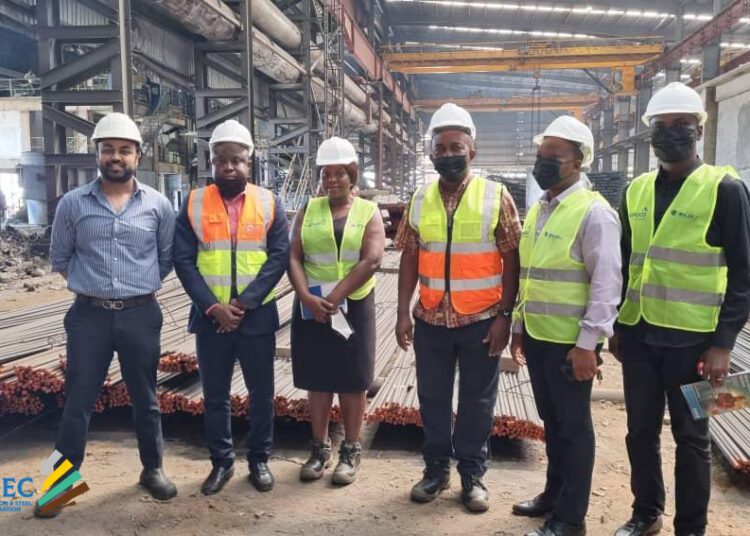
Ghana Integrated Iron and Steel Development Corporation (GIISDEC) has accelerated its stakeholder outreach, conducting a targeted community engagement at Adum Banso in the Western Region to prepare residents for an imminent Mineral Resource Estimation (MRE) exercise.
This proactive dialogue, aimed at fostering transparency and local cooperation, highlights the Corporation’s strategic move to engage grassroots stakeholders before launching technical field activities designed to unlock the nation’s iron ore potential.
Led by the Deputy Chief Executive Officer (Operations), Philip Oppong Amponsah, the delegation sought to demystify the MRE process by sensitising the community on GIISDEC’s core mandate and its collaborative framework with the Ghana Geological Survey Authority (GGSA).
The event, which drew local leadership including the District Chief Executive for Mpohor, Sophia Auben, and regional representatives of the GGSA, served as a platform to reaffirm the government’s commitment to advancing the domestic iron and steel industry through sustainable, value-driven exploration.
“GIISDEC will undertake mineral resource estimation in key locations by transforming natural resources into commercial values to attract strategic investors. This process helps determine deposit quantity and grade, which is essential to the success of every mining project.”
GIISDEC
Strategic Importance of Mineral Resource Estimation

Mineral Resource Estimation serves as the bedrock of geological intelligence. By accurately evaluating the size, grade, and economic potential of deposits in areas like Adum Banso, the state transitions from theoretical potential to bankable data.
As extractive experts note, a precise MRE is not merely a technical report; it is a critical instrument that de-risks mining projects for potential investors, thereby positioning Ghana to command greater leverage in securing capital for its iron and steel value chain.
Driving Economic Industrialisation
The collaboration between GIISDEC and the GGSA marks a significant step toward achieving the national objective of industrialisation through value addition.
By formalising the data collection process, the government aims to reduce the country’s heavy reliance on imported steel.
As stated during the engagement, this initiative is “part of broader efforts to promote value addition and industrialisation,” ensuring that Ghana’s iron ore reserves are not just extracted, but utilized to generate long-term economic value, foster technology transfer, and create significant employment opportunities for local communities.
Strengthening Community and Institutional Synergy
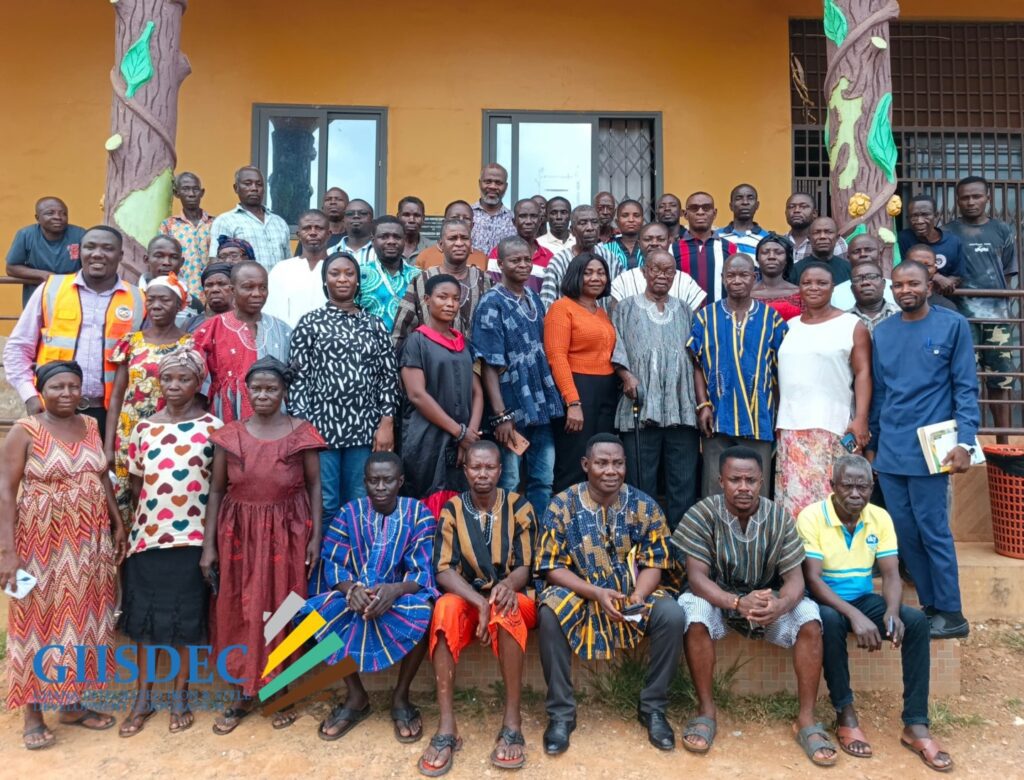
The warm reception by the chiefs and people of Adum Banso underscores the importance of the “social license to operate” in the mining industry.
By maintaining open channels of communication, GIISDEC ensures that its operations align with local expectations and developmental needs.
This inclusive approach integrating local stakeholders early in the project lifecycle is a vital strategy for long-term project stability, ensuring that national industrial goals are achieved in harmony with the aspirations of the communities hosting these essential mineral resources.
READ ALSO : Fisheries Commission Engages Stakeholders Over Act 1146