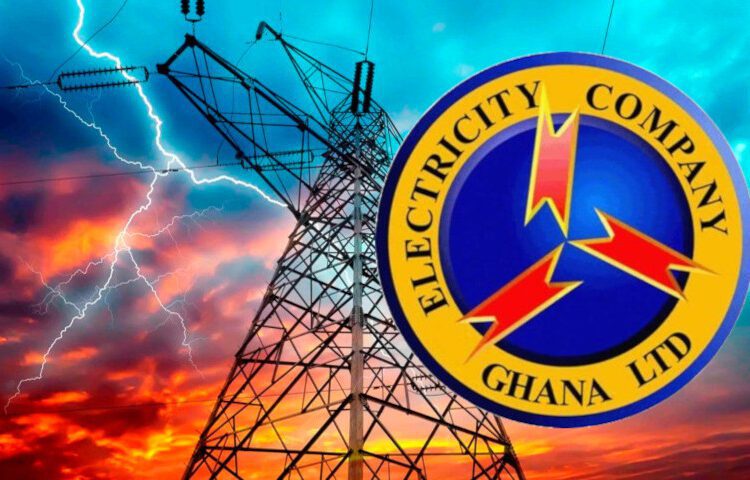
Ghana’s electricity costs are among the highest in the world when measured on a purchasing power basis, according to a policy critique that challenges recent claims by the Electricity Company of Ghana (ECG) that rising consumer demand is driving higher bills.
John Sitsofe Mensah, a technology policy analyst with the IMANI Centre for Policy and Education, argues that attributing rising electricity expenses to increased appliance ownership misrepresents the structural and regulatory factors behind the country’s high energy costs.
Mensah said that while ECG has suggested that consumers are using more electricity due to increased purchases of household appliances, the real issue is affordability relative to income.
“On a Purchasing Power Parity basis, Ghanaians are paying some of the highest effective electricity rates in the world,” he stated, adding that framing the issue as excessive consumption “isn’t just a PR blunder; it’s an insult to every hardworking Ghanaian.”
According to the analysis, Ghanaian consumers pay between $0.16 and $0.22 per kilowatt-hour. In comparison, many households in North America pay between $0.13 and $0.18 per kWh, despite earning significantly higher incomes.
Exchange Rate Assumptions and Over-Recovery

The critique also pointed to what it described as a “ghost exchange rate” problem in recent tariff calculations overseen by the Public Utilities Regulatory Commission (PURC).
Mensah noted that between late 2025 and early 2026, electricity tariffs were based on exchange rate assumptions above GH¢12 to the US dollar, even though the actual market rate was closer to GH¢10.90.
“The result was an over-recovery of nearly GH¢1.5 billion taken directly from our pockets,” he said, arguing that the additional charges were not driven by consumption but by cost assumptions that overstated economic pressures.
Beyond tariff methodology, the analyst highlighted operational inefficiencies within the power distribution system.
He compared ECG’s technical and commercial losses, estimated at around 30 percent, to a water company losing nearly a third of its supply through leaking pipes.
“In any other business, you’d be fired for that level of waste. Instead, consumers are effectively being asked to pay for the leaks,” Mensah argued, referring to losses caused by outdated infrastructure, power theft, and billing challenges.
The issue of system losses has long been identified as a major contributor to the financial difficulties within Ghana’s energy sector.
Policy Barriers to Alternative Power
Mensah also questioned government policies that he said discourage consumers from reducing their reliance on grid electricity.
“If the ECG is concerned about the burden on the grid, why are import duties and VAT still applied to solar inverters and batteries?”
John Sitsofe Mensah, a technology policy analyst with the IMANI Centre for Policy and Education
He argued that if authorities were genuinely concerned about easing pressure on the grid, policies would encourage households and businesses to invest in distributed generation systems.
“If you really wanted to help the consumer, you’d make it cheaper for us to generate our own power. Instead, you tax the solution and blame us for the problem.”
John Sitsofe Mensah, a technology policy analyst with the IMANI Centre for Policy and Education
The comment touches on ongoing debates about Ghana’s energy transition strategy and whether fiscal policies align with efforts to diversify the energy mix.
Call for Accountability and Structural Reform

The commentary concluded that the narrative of overconsumption distracts from deeper structural challenges within the power sector.
“Ghanaians aren’t over-consuming; we are over-paying for a system that is poorly managed and heavily taxed,” Mensah said, urging the utility to focus on improving efficiency, reducing losses, and ensuring greater transparency in tariff calculations.
He urged ECG to focus less on consumer purchasing habits and more on addressing operational inefficiencies and financial transparency.
The debate over electricity pricing comes at a time when rising energy costs continue to affect household budgets and business operations, intensifying calls for reforms that balance financial sustainability in the sector with affordability for consumers.
READ ALSO: Fisheries Ministry Launches Unified MPA Communication Strategy