Ghana is preparing a fresh round of institutional and regulatory reforms aimed at reviving growth in the upstream petroleum sector, with Energy and Green Transition Minister Dr. John Abdulai Jinapor indicating that the government will review the legal framework governing the Ghana National Petroleum Corporation (GNPC) as part of efforts to attract investment and increase national value from oil and gas resources.
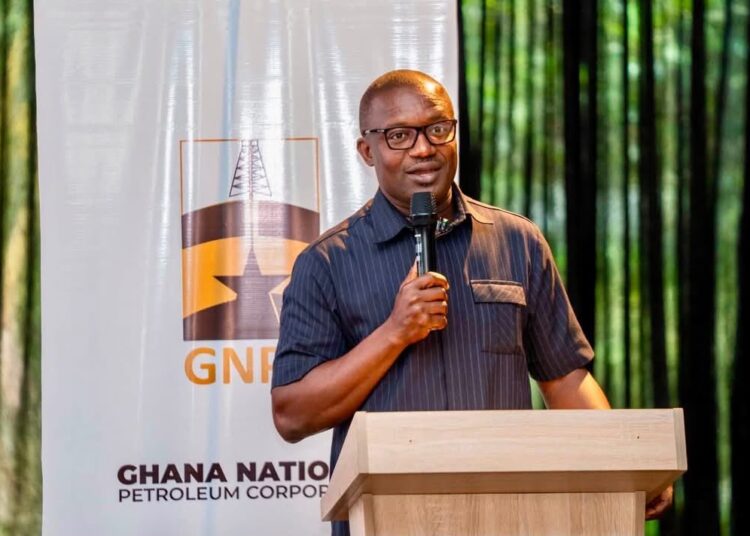
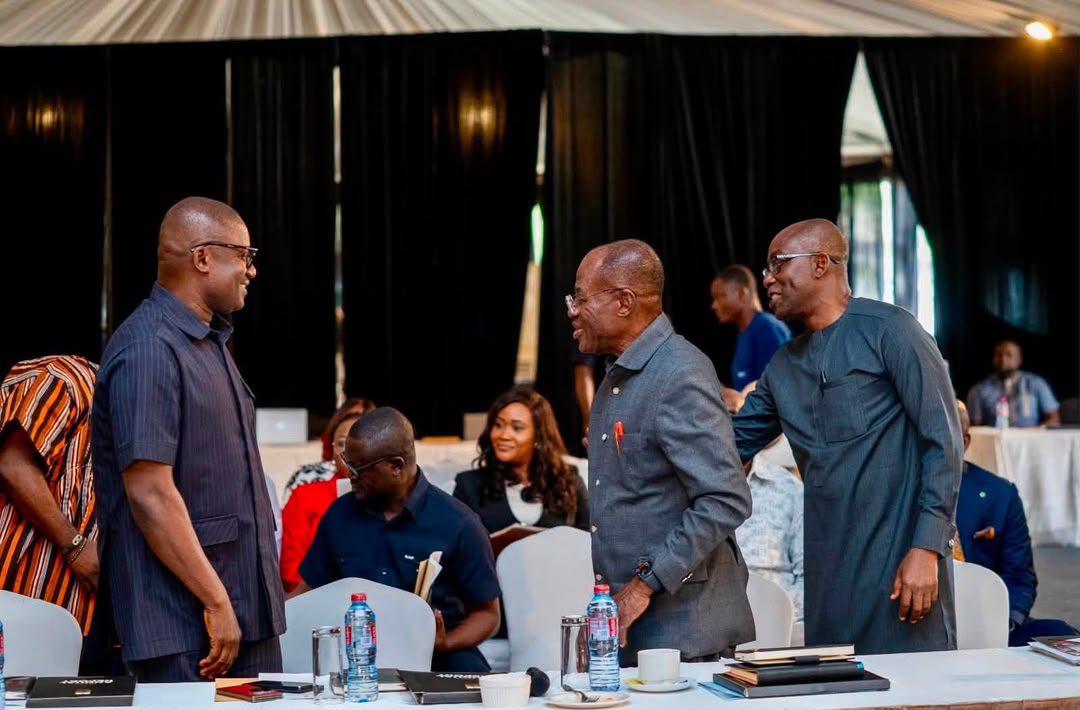
The Minister made the announcement while addressing management, staff and stakeholders at the 3rd Annual General Meeting of GNPC, where he linked the proposed reforms to a broader strategy of reversing production decline, accelerating exploration and improving the competitiveness of Ghana’s petroleum sector.
The remarks come at a time when Ghana is trying to restore investor confidence after several years of weakening upstream momentum and declining production from some of its key offshore fields.
Government is addressing the fiscal and regulatory framework governing the petroleum sector to make Ghana more attractive to investors, while protecting the interests of Ghanaians.
Energy and Green Transition Minister Dr. John Abdulai Jinapor
Review of GNPC Act moves into focus
One of the most significant signals from the meeting was the Minister’s confirmation that the reform process will include a review of the GNPC Act.

According to him, the objective is to ensure that the legal and institutional framework governing the national oil company supports investment, operational efficiency, growth and value creation.
The announcement suggests that government is looking beyond short-term production issues and toward the structure of the institutions that manage Ghana’s petroleum resources.
Analysts say any review of the GNPC Act could have implications for the corporation’s commercial role, financing capacity, operatorship ambitions and relationship with private investors.
Signs of a production turnaround
Dr. Jinapor also pointed to what he described as encouraging developments in oil and gas production during 2026.
Ghana is witnessing positive signs of renewed growth in oil and gas production, signalling a welcome reversal of the decline recorded since 2019.
Energy and Green Transition Minister Dr. John Abdulai Jinapor
The statement is important because production decline has become one of the central concerns facing Ghana’s upstream sector.

Sustained declines affect export earnings, petroleum revenues, foreign-exchange inflows and the availability of associated gas for power generation.
While the Minister did not provide specific production figures at the meeting, the reference to a reversal suggests that recent field performance and development activity are being viewed more positively than in previous years.
Exploration and appraisal back on the agenda
The Minister urged industry operators to build on the emerging recovery by accelerating field development, appraisal and exploration activities.
He also highlighted the need to address infrastructure bottlenecks and create a more predictable investment environment.
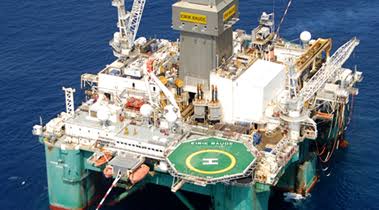
The emphasis on appraisal and exploration is notable because it signals that government is trying to move beyond managing existing production toward rebuilding the future resource base.
Ghana’s established producing assets, including Jubilee, TEN and Sankofa-Gye Nyame, remain the backbone of current output, but long-term growth will depend on new discoveries, additional development drilling and improved infrastructure.
Infrastructure and predictability become the next test
Jinapor’s remarks suggest that government increasingly sees investment attraction as dependent on more than geology alone.
Sector players must address infrastructure bottlenecks and help create a more predictable and competitive investment environment.
Energy and Green Transition Minister Dr. John Abdulai Jinapor
The reference to predictability is particularly significant.

Investors have repeatedly identified regulatory certainty, stable fiscal terms, timely approvals and reliable commercial arrangements as key factors influencing long-term capital commitments.
In this sense, the speech points to a broader recognition that Ghana is competing for increasingly selective global upstream capital.
Energy security and domestic value
Although the meeting focused on GNPC’s performance and the upstream sector, the Minister’s comments also carry implications for energy security.
Higher oil and gas production can support not only exports and government revenue, but also domestic gas availability for power generation and industrial use.
The government has increasingly framed petroleum policy around maximising domestic value, including greater local utilisation of gas and stronger linkages between upstream production and the wider economy.
That approach aligns with recent discussions around refinery revival, gas infrastructure expansion and industrialisation.
A message of continuity and support
Jinapor used the occasion to commend GNPC’s Board, management and staff for their work during 2025 and urged them to build on that progress through stronger performance and increased investment.
The Ministry will continue to support GNPC, the Petroleum Commission and industry operators as we work together to unlock the full potential of Ghana’s petroleum resources.
Energy and Green Transition Minister Dr. John Abdulai Jinapor
The statement appears intended to reassure both the national oil company and private operators that government is seeking a collaborative rather than confrontational approach to sector reform.
Why the speech matters
The deeper significance of the address lies in the combination of institutional reform, production recovery and investment competitiveness.
Taken together, the Minister’s comments suggest that Ghana is attempting to reposition its petroleum sector around three priorities: restoring growth in existing assets, rebuilding confidence through regulatory and fiscal reform, and preparing GNPC for a stronger role in future value creation.
Whether that strategy succeeds will depend on implementation rather than rhetoric.
The review of the GNPC Act, the pace of exploration and field development, the resolution of infrastructure constraints and the consistency of the investment framework will ultimately determine whether the current signs of recovery develop into a sustained upstream revival.
For now, the message from the GNPC annual meeting is that government believes the sector may be entering a new phase, one focused not only on managing decline, but on trying to restore growth, deepen domestic value and strengthen the long-term contribution of petroleum resources to Ghana’s economy and energy security.
READ ALSO: Eleven Confirmed Dead in Ofankor Barrier Multiple-Vehicle Crash