
The Strait of Hormuz shut down claim by Iran has sent shockwaves through global energy markets after shipping traffic through the critical oil corridor dropped sharply following missile exchanges between Tehran and a coalition of the United States and Israel.
The move, if sustained, threatens to disrupt nearly one-fifth of the world’s daily oil trade and escalate tensions across the Gulf region.
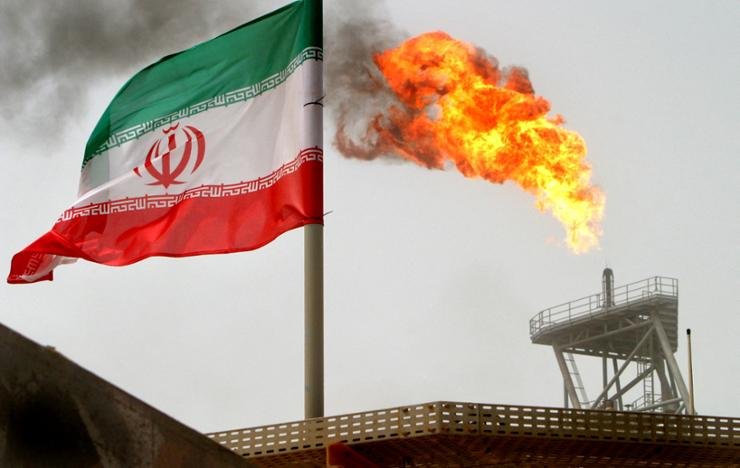
Iran’s state media announced that the Islamic Republic had closed the strategic waterway in response to US and Israeli missile strikes. The semi-official Tasnim News Agency reported bluntly that the “Strait of Hormuz is shut down” after a day marked by military escalation.
Oil Flows Slow Dramatically

Shipping data suggests a swift reaction by commercial vessels navigating the narrow passage between Iran and Oman. Analysts at S&P Global Commodities at Sea observed a steep decline in vessel movement within hours of the announcement.
“By 1930 UTC, the Strait of Hormuz area showed an approximately 40% to 50% drop compared with earlier in the day, with vessels funneling toward the exit, suggesting that ships are racing to exit the area.”
S&P Global Commodities at Sea analysts
The Strait of Hormuz, situated just off Iran’s southern coast, is widely regarded as the world’s most important oil chokepoint. Roughly 20% of global oil consumption passes through the waterway daily, making any disruption immediately consequential for international markets.
According to shipping intelligence from S&P Global MINT, only a handful of crude tankers remained in the strait late on February 28. The Desh Abhimaan, which had been heading toward Ras Tanura, reportedly turned around before entering Hormuz.
Two other tankers, the New Vision and the Valor, both carrying crude and bound for Fujairah, were approaching the strait as tensions mounted.
Outbound flows of crude and refined products loaded in February and transiting the strait averaged 20.4 million barrels per day month-to-date, down from 21.2 million barrels per day in January, according to CAS analysts.
Rising Risks to Global Energy Markets
Energy market watchers warn that the implications extend beyond a temporary shipping slowdown. Analysts at S&P Global CERA cautioned that the threat to shipping productivity could compound supply concerns.
“Hormuz risk is not only about closure but also fleet productivity,” CERA analysts noted. They warned that if Iran escalates by seizing tankers or deploying drones to threaten commercial vessels, voyage times would increase and costs for Middle East oil exports could surge further.
The shipping industry has already begun adjusting operations. German container shipping giant Hapag-Lloyd announced it had suspended movements through the strait “until further notice.”
In a statement posted on its website, the company said services calling at ports in the Arabian Gulf “may experience delays, rerouting, or schedule adjustments,” adding that it was working to minimize disruption while monitoring the situation closely.
Conflicting Legal and Security Claims
Iranian media reported that ships in the region received repeated high-frequency radio messages from the Islamic Revolutionary Guards Corps warning that no vessels were permitted to pass through the strait. Islamic Revolutionary Guards Corps, which controls Tasnim, allegedly issued the warnings directly to mariners navigating the Gulf waters.
However, these messages have not been independently verified. The United Kingdom Maritime Trade Operations stated that it could not confirm the broadcasts and stressed that such declarations do not automatically carry legal authority.
“Mariners are advised that VHF broadcasts or statements indicating closure of the Strait of Hormuz are not legally binding and do not constitute a lawful restriction on navigation under international law, including the United Nations Convention on the Law of the Sea (UNCLOS), unless implemented and enforced in accordance with applicable legal frameworks.”
United Kingdom Maritime Trade Operations
The legal distinction is significant, as international maritime law limits unilateral closures of international straits used for transit passage. Yet, in practice, shipping companies often respond to security threats regardless of formal legal standing.
Any prolonged instability in the strait would reverberate through global oil supply chains, potentially triggering price spikes and renewed volatility in energy markets.
The Strait of Hormuz has long been viewed as a geopolitical flashpoint, with previous tensions prompting temporary seizures of tankers and military standoffs. However, a sustained closure would mark a dramatic escalation with far-reaching economic consequences.
As vessels either retreat or hold position outside the chokepoint, the world’s energy markets are bracing for further turbulence.
Whether the Strait of Hormuz shut down claim evolves into a prolonged blockade or remains a short-lived disruption may depend on the next moves by Tehran and its adversaries in an increasingly volatile Gulf.
READ ALSO: AU Calls For Restraint Amid Strikes In Middle East