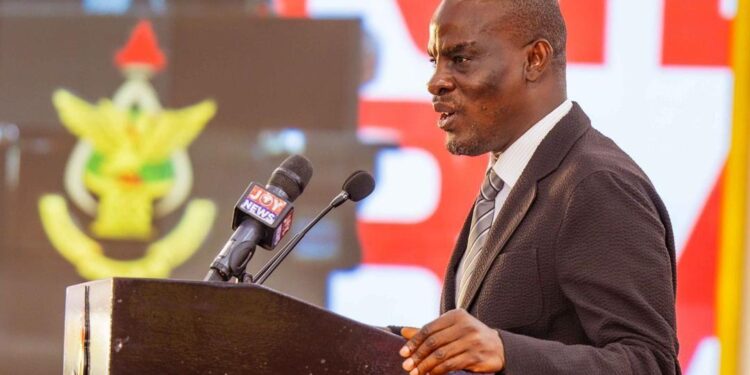
The Government of Ghana is moving closer to implementing a policy that will introduce free education for persons with special needs, a move aimed at expanding access to learning opportunities for students with disabilities across the country.
Minister for Education, Hon. Haruna Iddrisu, said the initiative forms part of government efforts to strengthen inclusive education and ensure that financial constraints do not prevent individuals with disabilities from accessing formal schooling.
According to the minister, the policy seeks to remove longstanding barriers that have limited the participation of many students with disabilities within the education system.
By eliminating tuition related costs, government expects to improve enrolment and retention in special schools while promoting equal opportunities for all learners.
Education officials believe the programme will support both academic and vocational training for persons with disabilities, enabling them to pursue education without the financial burden that often discourages families from enrolling their children in specialised institutions.

Assistive Devices to Support Learning
Beyond the removal of tuition costs, the Ministry of Education is also preparing to provide assistive devices to students in special education institutions as part of the broader policy package.
Mr Iddrisu explained that these devices are necessary to support effective teaching and learning for students with different forms of disabilities. The ministry plans to supply specialised learning tools such as braille materials, hearing aids and other equipment designed to assist students with visual, hearing and mobility impairments.
Education specialists have long identified the lack of assistive technology as one of the major challenges affecting special schools in Ghana. Without adequate equipment, many students struggle to fully participate in classroom instruction or complete academic tasks.
The provision of these learning aids is therefore expected to help create a more inclusive learning environment and improve educational outcomes for students with disabilities.
Feeding Grant for Special Schools Increased
The government has also announced plans to increase the daily feeding grant allocated to students in special schools as part of the wider reforms. Under the proposed adjustment, the feeding allowance will rise from eight Ghana cedis to fifteen Ghana cedis per student per day.
Officials say the change is intended to improve the nutritional value of meals provided to students, particularly those who live in boarding facilities where schools are responsible for daily feeding arrangements.
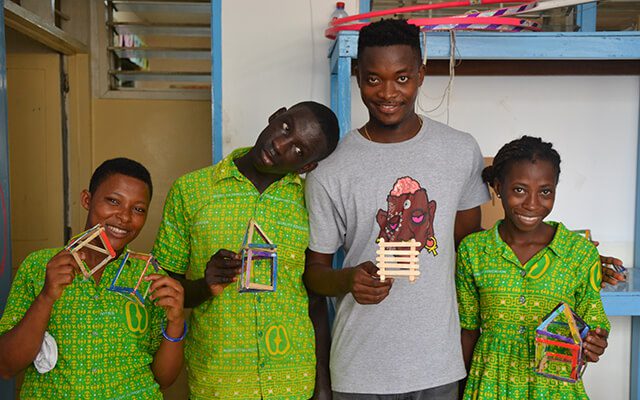
School administrators have for several years called for an upward review of the feeding grant, noting that rising food prices had made it difficult for institutions to provide balanced meals under the previous allocation. The new feeding rate is expected to ease financial pressure on school authorities while improving the welfare and health of students.
The upcoming rollout of free education for persons with special needs forms part of a broader policy direction aimed at strengthening inclusive education in Ghana.
Advocates for disability rights have repeatedly called for increased investment in special education infrastructure, improved teacher training and expanded learning resources for students with disabilities.
Government officials say the new measures are designed to respond to some of these concerns by improving financial support for students, providing learning tools and enhancing welfare services within special schools.
Education policy analysts argue that inclusive education is not only a social justice issue but also an important factor in national development. Ensuring that persons with disabilities have access to education enables them to develop skills and contribute productively to the economy.
Implementation Plans Expected
With the policy direction now outlined, attention is expected to shift toward implementation and operational details. Officials within the Ministry of Education are expected to provide further information on timelines for the rollout of the free education programme, the distribution of assistive devices and the application of the revised feeding grant.
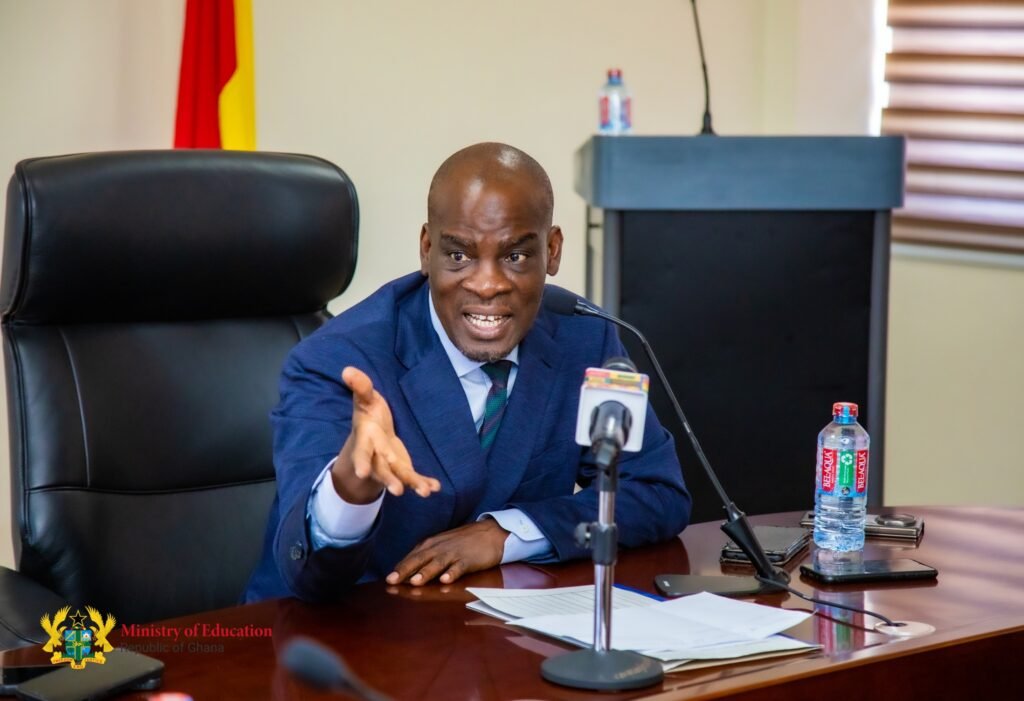
Stakeholders within the education sector say effective coordination will be necessary to ensure that the new measures reach students and institutions across the country.
If successfully implemented, the policy could represent a significant step toward strengthening inclusive education in Ghana and expanding opportunities for learners with disabilities.
READ ALSO: Agriculture Minister Aligns Ghana With “Mattei Plan”