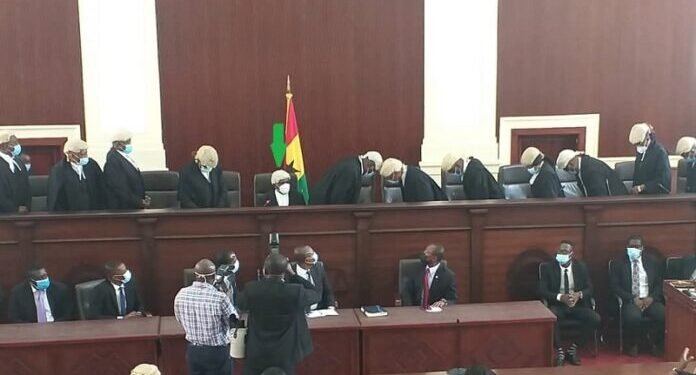
The Supreme Court has scheduled its ruling on the interlocutory injunction application filed by Ofoase-Ayirebi MP Kojo Oppong Nkrumah for Friday, August 21, 2026, at 10:00 a.m., after Justice Gabriel Pwamang, sitting as a single judge, heard arguments from both sides on Thursday and adjourned the matter for a decision.
The ruling will determine whether High Court criminal trials that the Chief Justice has directed to continue through the traditional legal vacation may keep running, or whether they must pause until the Supreme Court has finally settled the constitutional questions Oppong Nkrumah has raised in the substantive suit filed on August 14.
The application before Justice Pwamang sought an interlocutory injunction to halt selected High Court criminal trials from proceeding during the legal vacation period, which runs from August 1 to September 30, 2026.
It is distinct from, though tied to, the substantive constitutional case Oppong Nkrumah filed the previous week, in which he asks the full Supreme Court to strike down both the Chief Justice’s vacation warrants and the underlying rule, Order 79 of the High Court (Civil Procedure) Rules, 2004, that permits them.
Lawyer Frank Davies represented Oppong Nkrumah at the hearing, arguing that the interim order was necessary to preserve the status quo while the constitutional questions are resolved.

The Deputy Attorney-General opposed the application on behalf of the state, telling the court that no exceptional circumstances had been established to justify halting the trials in the meantime.
The Argument Behind the Application
Hon. Oppong Nkrumah’s underlying case, filed as writ J1/29/2026 and naming the Chief Justice as first defendant and the Attorney-General as second, rests on a claim of selective justice.
He argues that facilitating hearings in specific criminal cases during the vacation, while every other criminal matter waits until the courts resume, treats accused persons unequally in a way Article 17 of the Constitution does not permit.
The suit goes further than that procedural objection. It also asks the court to declare that the warrants violate the right to health of lawyers and judicial staff required to work through the recess, invoking Articles 24 and 36(10), which guarantee safe working conditions and reasonable hours.
And it challenges Order 79 itself, arguing that the rule allowing the Chief Justice to select cases for vacation hearing is unconstitutional, a claim that goes beyond the immediate dispute to attack the legal basis on which vacation sittings have operated for decades.
Trials Already Affected
The injunction fight is not merely theoretical. Several High Court trials, including the prosecution of former National Signals Bureau Director-General Kwabena Adu-Boahene and his wife Angela Adjei-Boateng, have already been stayed pending the outcome of the Supreme Court proceedings.

Justice Francis Apangabuno Achibonga paused that trial on August 17, adjourning it to August 25 specifically to await the apex court’s determination.
That means Friday’s ruling carries immediate practical consequences well beyond the parties named in the suit. If Justice Pwamang grants the injunction, every criminal trial currently proceeding under a vacation warrant would likely pause until the substantive case is decided.
If he declines it, the Chief Justice’s warrants remain in force and trials such as Adu-Boahene’s could resume on their scheduled dates while the constitutional questions continue to be argued separately.
The Backdrop to the Dispute
The suit follows weeks of escalating tension between the judiciary and sections of the legal profession. The Ghana Bar Association wrote to the Chief Justice on August 10 after law firms received notices requiring lawyers to appear before judges continuing part-heard criminal cases during the vacation.
Chief Justice Paul Baffoe-Bonnie responded publicly in Sunyani, saying a judge who is sitting and ready cannot be stopped because counsel has made other arrangements.
Deputy Attorney-General Dr Justice Srem-Sai has maintained that Order 79 gives the Chief Justice express authority to appoint any day for hearings, including during vacation.
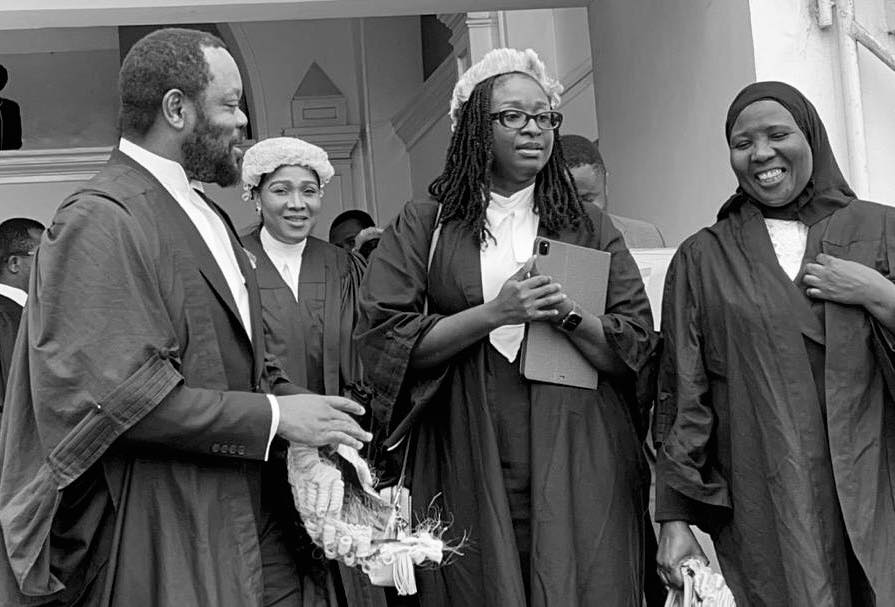
Oppong Nkrumah brought his suit as a citizen, Member of Parliament and lawyer, a capacity that under Article 2(1) of the Constitution does not require him to show personal injury to maintain the action.
Tomorrow, August 21’s ruling on the narrower injunction question will not resolve that larger constitutional dispute, but it will decide who controls the calendar for the courts in the meantime.
READ ALSO: 2026/2027 GPL Winners To Receive a Record GHS 3m Prize Money