The Lawyer for Kojo Oppong Nkrumah, Frank Davies has argued that continuing High Court trials during the legal vacation could undermine the constitutional rights of accused persons to fair representation. He contended that the issue goes beyond courtroom scheduling because the availability of lawyers remains central to the ability of accused persons to properly defend themselves.
Mr Davies made the argument during proceedings before the Supreme Court on an application filed by the Member of Parliament for Ofoase Ayirebi, Kojo Oppong Nkrumah, challenging the continuation of selected trials during the legal vacation. The application seeks an interlocutory injunction to suspend the operation of a warrant issued by the Chief Justice pending determination of the substantive constitutional case.

Addressing the court, the lawyer placed constitutional protection at the centre of the dispute and urged the judiciary to uphold the rights guaranteed to accused persons. From his perspective, administrative arrangements governing court operations must remain consistent with the constitutional promise of a fair trial.
The legal argument rests on the availability of counsel during the vacation period, when lawyers traditionally organise their professional schedules differently from the regular court calendar. Mr Davies explained that some lawyers representing accused persons had informed trial judges of their inability to attend proceedings during the period.
The lawyer further outlined the established practice under which trials during legal vacation could proceed when the lawyers involved agreed to the arrangement. According to him, such proceedings generally required the necessary authorisation before the trial could continue.
The significance of that practice formed a major part of the application before the Supreme Court, with the defence arguing that its disruption could affect effective legal representation. Therefore, the dispute has raised a constitutional question over how administrative discretion interacts with the rights of persons facing criminal proceedings.
Mr Davies also emphasised that the application was founded on the constitutional status of the rights involved and was intended to protect those rights through judicial intervention. He urged the court to treat the Constitution as the governing standard against which administrative decisions affecting trials should be examined.
The lawyer framed the matter as one concerning the integrity of constitutional governance and the protection of due process. Referencing the role of the Supreme Court, he argued that proceedings before the court should serve the wider purpose of safeguarding constitutional guarantees.
Another part of the case is the practical consequences for lawyers and their clients when trials continue during the vacation. The defence position is that an accused person could face a serious disadvantage if proceedings advance while counsel is unavailable to provide representation.
The argument consequently links the administrative decision to the practical realities of criminal litigation, where legal representation requires preparation, attendance and active participation. In light of this, the lawyer urged the court to consider whether the continuation of proceedings could affect the substance of the constitutional protections being invoked.
The submission also placed emphasis on the constitutional duty of all institutions to respect the fundamental rights of citizens. For Mr Davies, the proceedings offered the Supreme Court an opportunity to determine the proper boundaries of administrative discretion where court processes intersect with guaranteed legal rights.
Supreme Court Weighs Legal Vacation Trial Dispute
The Supreme Court has scheduled Friday, August 21, 2026, to rule on the application brought by Kojo Oppong Nkrumah concerning the continuation of High Court trials during the legal vacation. Justice Gabriel Pwamang, sitting as a single judge, adjourned the matter after lawyers for the applicant and the respondents completed their arguments.
The legal vacation runs from August 1 to September 30, during which the Chief Justice issued a warrant permitting High Court judges to continue conducting trials. The warrant has become the subject of the constitutional challenge now before the apex court.
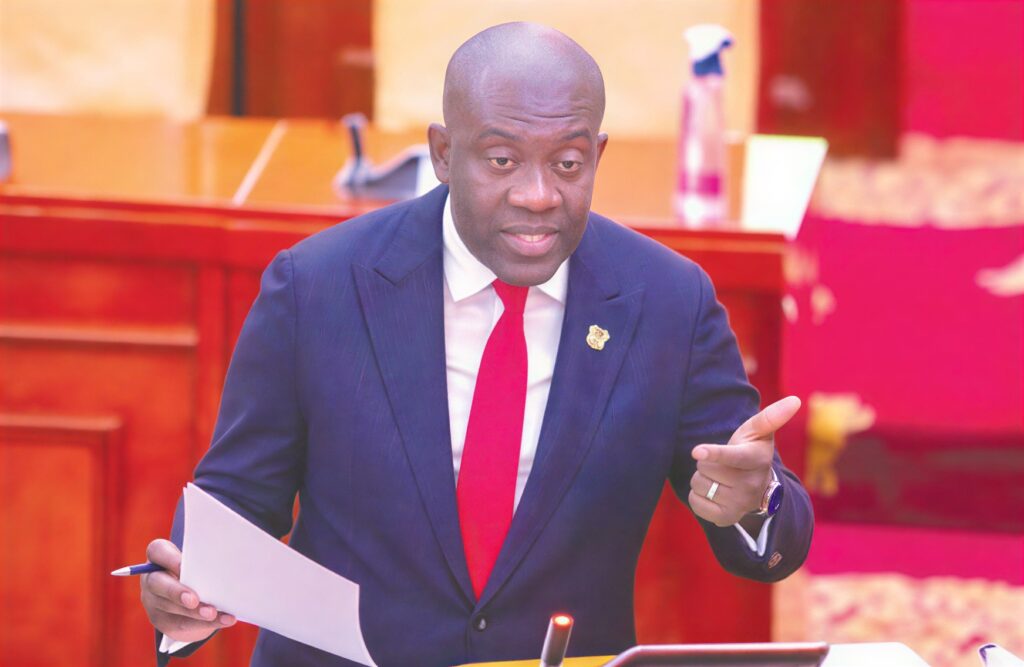
The application seeks an interlocutory injunction to suspend the warrant while the substantive constitutional case proceeds. The applicant argues that the exercise of administrative discretion must conform to Article 296 of the 1992 Constitution, which regulates the exercise of
The State also challenged the legal basis for invoking the original jurisdiction of the Supreme Court in relation to decisions made by individual trial judges. It argued that judicial review procedures could provide an appropriate route where a party seeks to challenge specific judicial decisions.
Another issue before the court concerns the existence and scope of a practice governing trials during legal vacation. The State’s position is that the applicant has yet to establish an absolute legal rule preventing trials from proceeding during the period.
Justice Pwamang consequently fixed Friday, August 21, for the court’s ruling. The decision is expected to clarify the legal position and guide the conduct of proceedings affected by the disputed warrant.
READ ALSO: Supreme Court to Rule on Oppong-Nkrumah’s Vacation Court Injunction Tomorrow