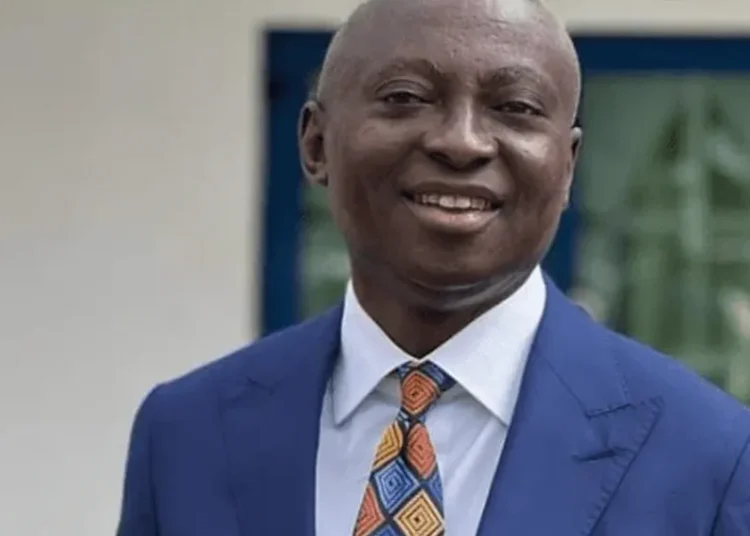
The Legal Counsel for Kwabena Adu-Boahene, Samuel Atta Akyea, has argued that legal vacation must be respected within Ghana’s justice system, explaining why his absence affected proceedings when his client’s case was called in court today. Mr Atta Akyea challenged the decision to continue selected part heard cases during the vacation period, insisting that established legal arrangements should guide the scheduling of proceedings.
The Legal Counsel affirmed his position on the Courts Act and C.I. 47, which provide for legal vacation within the judicial system. He explained that the arrangement allows judges to address urgent matters while giving lawyers and other participants a recognised period away from regular court proceedings.
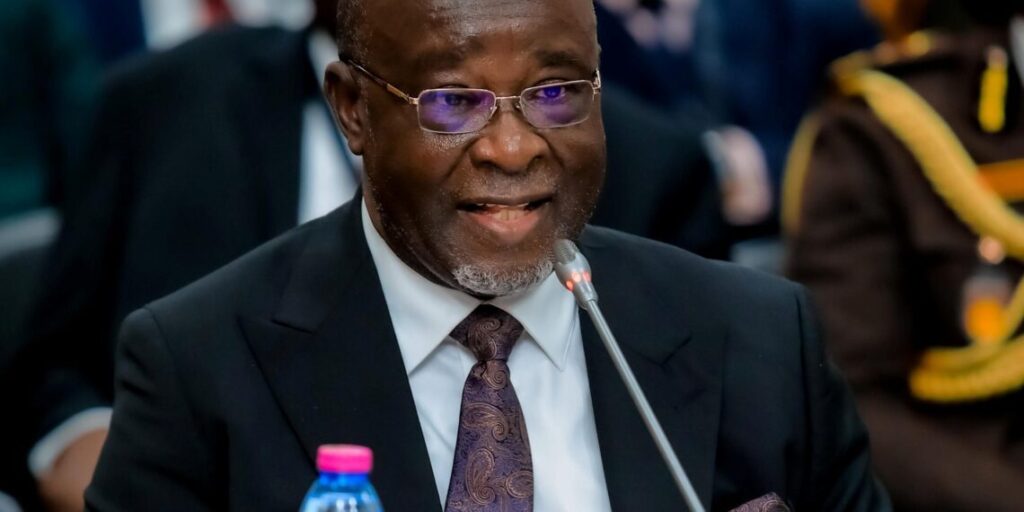
According to Mr Atta Akyea, vacation courts are intended primarily to handle emergency applications and other urgent matters through established procedures. He further pointed out that many such applications can now be dealt with virtually, reducing the need for lawyers to appear physically before the court.
“It’s called legal vacation. It’s not an ambulance trial. It’s got nothing to do with anybody’s pleasure.”
Samuel Atta Akyea
The lawyer therefore questioned the decision to allow some judges to continue hearing substantive part heard matters during the vacation period. His argument centred on the need for such proceedings to take into account the availability of counsel whose professional commitments may include international conferences, travel and other legal engagements.
Mr Atta Akyea further argued that the arrangement could create an uneven situation if particular cases receive expedited treatment while other serious criminal matters remain subject to ordinary scheduling. He cited murder, manslaughter and rape cases among proceedings that could also require judicial attention during the period.
The Legal Counsel linked his position to the principle of fairness in judicial administration. He suggested that the importance attached to individual cases should not lead to the suspension of established practices that apply across the justice system.
Addressing the circumstances surrounding his own absence, Mr Atta Akyea indicated that he considered his direct participation necessary because of the nature and implications of the case involving his client. He argued that the proceedings carry significant national security implications and therefore require the experience of senior counsel.

The lawyer also rejected the idea that a junior member of his chamber could simply take over his responsibilities in such circumstances. His position was that the complexity of the matter demanded continuity and sufficient experience from the counsel representing the accused person.
Referencing the case, Mr Atta Akyea described it as an unusual proceeding involving national security issues that had reached the stage of an open trial. He argued that the legal profession must remain vigilant when established judicial practices appear to be altered for particular proceedings.
Court Scheduling Debate Deepens Over Selective Vacation Trials
The dispute has also raised questions about how judges should exercise their discretion when part heard cases extend into legal vacation. Mr Atta Akyea argued that judicial authority should operate alongside practical arrangements that allow lawyers to prepare and participate effectively in proceedings.
The Legal Counsel explained that the presence of counsel remains essential to the proper conduct of a trial. He therefore argued that where a judge intends to continue a substantive matter during vacation.
“If the lawyers are not present, how are they going to conduct the case?”
Samuel Atta Akyea
Mr Atta Akyea illustrated the point by referring to circumstances in which lawyers may be outside the country during the vacation period. He questioned how proceedings could effectively continue where counsel have travelled and their participation is required for the proper presentation of a client’s case.
The argument also extended to the principle of equal treatment within the judicial system. The Legal Counsel questioned why particular proceedings should receive accelerated attention while other part heard criminal cases remain subject to the ordinary processes of the courts.
In his assessment, the situation requires careful consideration of the purpose of legal vacation. He argued that the statutory framework exists for a reason and that any departure from its established practice should be supported by clear legal justification.
Furthermore, Mr Atta Akyea challenged the suggestion that respecting legal vacation would amount to lawyers controlling the courts. He clarified that his argument centred on the statutory foundation of the vacation system and the practical requirements necessary for a fair hearing.
Discussing the wider implications, he warned against creating a precedent in which selected cases receive special treatment because of political or institutional pressure. His argument was that every prosecution must proceed through established legal procedures and satisfy the required standard of proof.
Mr Atta Akyea suggested that an urgent push for convictions could create pressure around the timing of trials and potentially affect the independence of judicial processes. The lawyer argued that the justice system should apply consistent standards across cases regardless of the identities of the accused persons.

“Nobody should aid anybody to get somebody convicted. They should come to court and, with the greatest of respect, let the system run.”
Samuel Atta Akyea
The position places the controversy within a larger discussion about judicial independence and due process. Mr Atta Akyea argued that prosecutions should succeed through evidence presented in court and through procedures that preserve the integrity of the trial.
In addition, the discussion highlighted the importance of the Ghana Bar Association’s position on the availability of lawyers during vacation proceedings. Mr Atta Akyea referenced the association’s communication to the Chief Justice as part of the ongoing professional debate over the issue.
Consequently, the Legal Counsel’s position is that legal vacation is part of the architecture of justice delivery and deserves to be applied consistently. He urged the judicial system to preserve established safeguards while allowing cases to proceed through procedures that respect the rights of all parties.
READ ALSO: Burnham Admits Cost-of-Living Measures Are Not Enough