
The Petroleum Hub Project has received renewed backing from energy policy analysts, with the Head of Research and Training at the Chamber of Petroleum Consumers (COPEC), Paul Eric Ofori, urging government to accelerate efforts to implement the ambitious initiative aimed at transforming Ghana into a major petroleum storage and trading centre.
Speaking in an interview with The Vaultz News, Mr. Ofori said that the Petroleum Hub project could significantly strengthen the country’s energy security and reduce its heavy reliance on imported petroleum products.
According to him, Ghana should have long achieved greater energy independence given its decades of nationhood. “I think that the Petroleum Hub Development Corporation needs to be commended. I would have thought that as a country 69 years old, we should be energy sufficient, we should be self-reliant,” he stated.
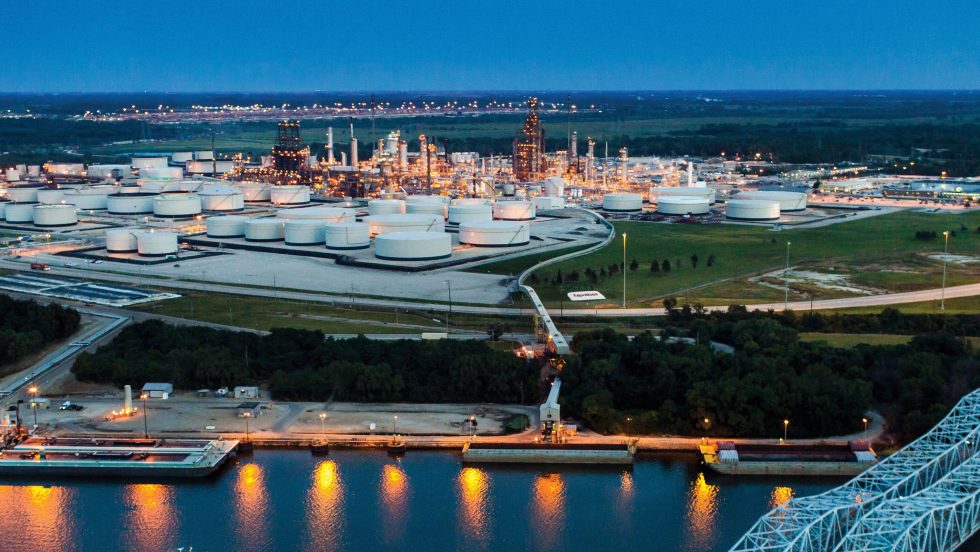
Mr. Ofori emphasized that the development of large-scale petroleum storage infrastructure, including storage farms and tanks, is critical if Ghana is to protect itself from global supply disruptions.
Dependence on Gulf Imports Remains a Concern

The COPEC research head highlighted Ghana’s continued dependence on fuel imports from the Gulf region as a major vulnerability, particularly at a time when geopolitical tensions continue to affect global energy markets.
He noted that a significant portion of the country’s petroleum demand is still met through imports from the Middle East, leaving Ghana exposed to external supply shocks and fluctuating prices.
Mr. Ofori added that Ghana currently imports between 70 and 80 percent of its petroleum requirements from the region, a situation he believes the Petroleum Hub Project could help change.
“If we should have had these tank farms in place, I believe that we’ll be self-reliant and we’ll be secured without relying on some of these imports.”
Paul Eric Ofori, Head of Research and Training at the Chamber of Petroleum Consumers (COPEC)
He stressed that building adequate storage capacity would allow Ghana to maintain reserves and better manage supply disruptions in the global oil market.
Funding and Policy Support Needed
Despite the promise of the project, Mr. Ofori pointed out that sustained government support will be critical for its successful implementation.
He urged authorities to increase financial backing for the initiative, particularly through the existing one pesewa allocation from the Unified Petroleum Pricing Fund.
“So I think that PHDC’s project has come in handy. We should all be supportive of it and I wish and pray that government releases the needed funds, support the operations and even improve them.”
Paul Eric Ofori, Head of Research and Training at the Chamber of Petroleum Consumers (COPEC)
Mr. Ofori suggested that the current levy may need to be increased in order to accelerate the project’s implementation.
“Perhaps there is the need to increase it from the one Pesewa to some 10 Pesewas and then see how best we can secure the land as early as possible so that compensations can be given to the landowners.”
Paul Eric Ofori, Head of Research and Training at the Chamber of Petroleum Consumers (COPEC)
According to him, timely compensation for landowners is crucial for clearing one of the biggest hurdles that has slowed the project’s progress.
The COPEC official indicated that land acquisition and compensation challenges remain among the primary reasons for delays in rolling out the Petroleum Hub Project.
However, he clarified that the setbacks should not be interpreted as a lack of readiness on Ghana’s part to implement the initiative. “The delays largely, I do not believe, have been because Ghana is not ready. Ghana is ready,” he stated.
He explained that negotiations with landowners have created complications, resulting in prolonged back-and-forth discussions that have slowed the process. “It’s just that the landowners back and forth here and there has been the issues with them,” he added.
Nonetheless, Mr. Ofori expressed optimism that these concerns can be resolved once compensation arrangements are finalized.
Hope for Investor Confidence and Infrastructure Development

Beyond addressing immediate energy needs, the Petroleum Hub Project is expected to attract major investments and create infrastructure that could position Ghana as a petroleum trading hub in West Africa.
Mr. Ofori said the next phase of the project must demonstrate visible progress in order to inspire confidence among investors and stakeholders.
“We want to see the whole thing come into fruition. We want to see the investors at these sites with the infrastructure being set up and all of that.”
Paul Eric Ofori, Head of Research and Training at the Chamber of Petroleum Consumers (COPEC)
He also called for the government to translate policy commitments into concrete actions, noting that public declarations must be followed by implementation. “I have seen the President talk about it a couple of times with CSOs and I hope that it doesn’t just end with the rhetorics,” he said.
While acknowledging the complexities surrounding the project, Mr. Ofori remained hopeful that stronger commitment and swift compensation settlements will pave the way for construction to begin soon.
READ ALSO: Ghana Debt Market Faces Refinancing Shock