Parliament has ordered a formal investigation into the findings of the government arrears audit following an extensive debate on the floor of the House. The statement, which highlighted several financial irregularities within public institutions, has been referred to the Public Accounts Committee of Parliament of Ghana for detailed examination.
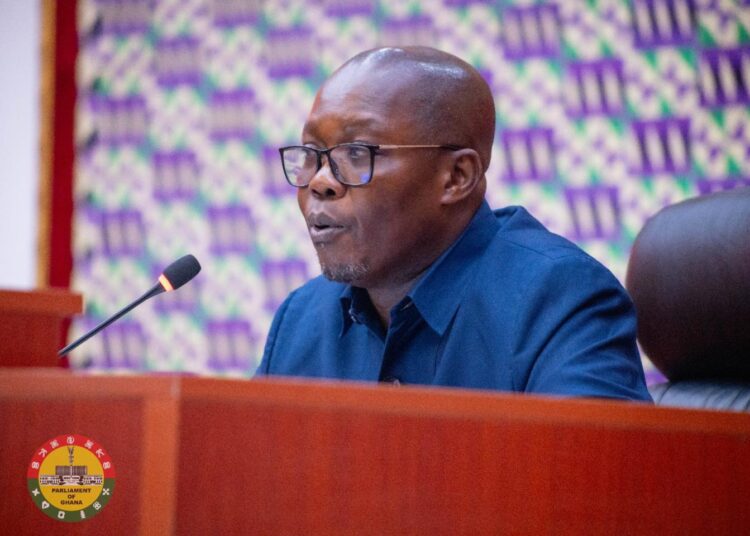
The directive was issued by the First Deputy Speaker, Bernard Ahiafor, who presided over the sitting after members concluded their deliberations on the report. He instructed the committee to investigate the concerns raised and report back to Parliament within three weeks.
The referral signals Parliament’s intention to subject the audit findings to further legislative scrutiny as the House seeks clarity on the irregular claims identified in the report.
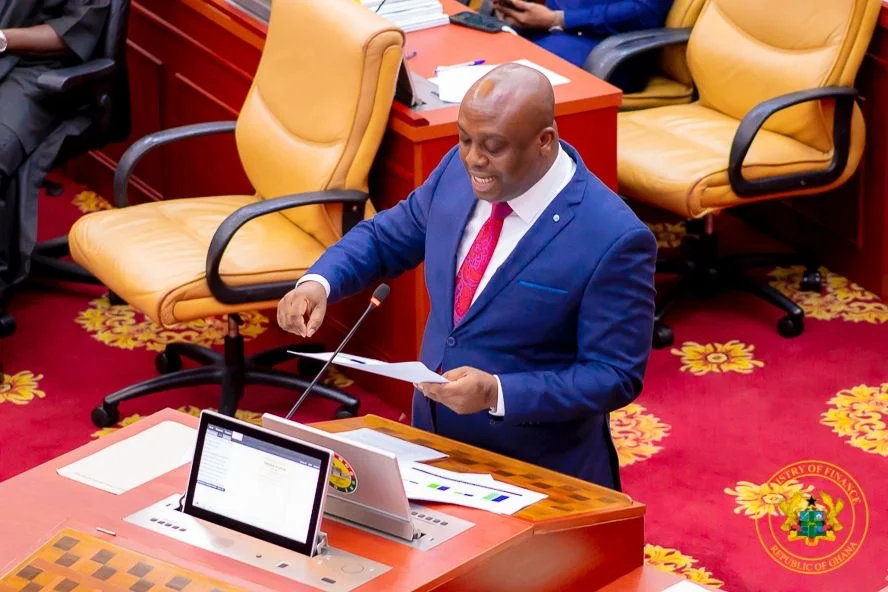
The arrears audit was presented to Parliament by Deputy Minister for Finance Thomas Ampem Nyarko on behalf of the Finance Minister Cassiel Ato Forson. The report forms part of the government’s ongoing effort to verify arrears accumulated by ministries, departments and agencies as of the end of 2024.
The verification exercise examined claims submitted in the form of unpaid invoices, interim payment certificates and bank transfer advisers from contractors and suppliers seeking settlement.
Officials said the audit sought to determine the authenticity of these claims and to ensure that the government only settles legitimate financial obligations.
Preliminary findings presented to the House revealed several irregularities in the submission of arrears claims, prompting calls for further investigation into how such claims were processed within the public financial management system.
Debate Divides Majority and Minority
The report generated significant debate among lawmakers, with leading members of both the Majority and Minority caucuses expressing sharply contrasting views about its implications.
The debate was concluded by the Majority Leader, Hon. Mahama Ayariga, and the Minority Leader, Hon. Alexander Kwamena Afenyo Markin, who presented opposing perspectives on the significance of the audit findings.
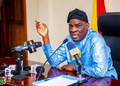
Addressing the House, Majority Leader Mahama Ayariga argued that the findings point to serious lapses within the country’s public financial management system and therefore require deeper parliamentary scrutiny.
He called for a broader investigation into the irregularities uncovered in the audit and suggested that Parliament should consider establishing a special parliamentary committee dedicated to probing the matter rather than relying solely on the Public Accounts Committee.
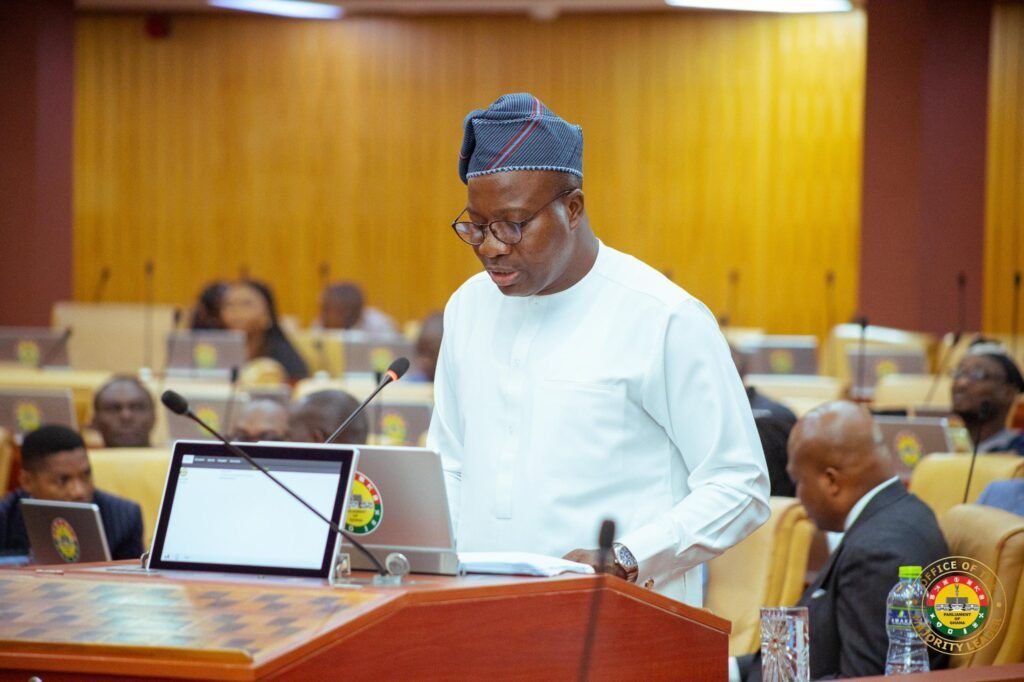
According to him, the scale of the issues raised in the report makes it necessary for Parliament to undertake a comprehensive inquiry to protect public funds and strengthen accountability across government institutions.
Minority Questions Motives Behind Audit
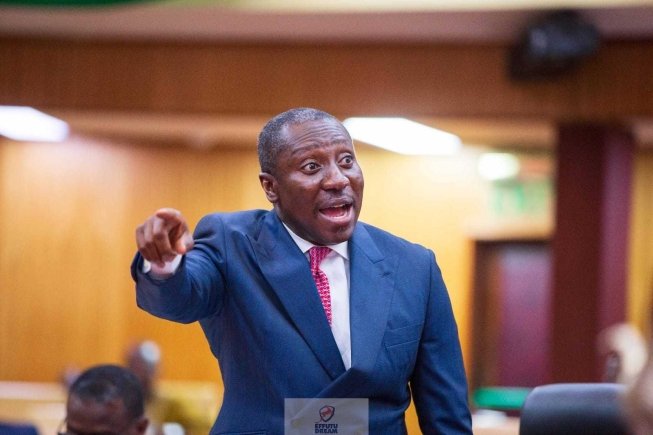
In contrast, Minority Leader Alexander Kwamena Afenyo Markin downplayed the significance of the report and questioned the motives behind its presentation to Parliament.
He argued that the audit statement could be a diversionary strategy by the government to shift public attention away from the challenges confronting the country’s cocoa sector.
According to the Minority Leader, the timing of the report raises concerns about whether the government is attempting to manage public discourse around the cocoa crisis rather than focusing on addressing the underlying issues affecting the industry.
His comments reflected broader skepticism within the Minority caucus regarding the political context in which the audit findings were presented.
Committee Investigation Expected Within Three Weeks
Despite the differing political views expressed during the debate, the House ultimately agreed to refer the matter to the Public Accounts Committee of Parliament of Ghana for investigation.
The committee has been tasked with examining the issues raised in the audit, engaging relevant institutions and public officials, and presenting its findings to Parliament within three weeks.
The investigation is expected to determine whether the irregular claims identified in the report resulted from administrative lapses, systemic weaknesses or deliberate attempts to manipulate the government payment system. The referral of the audit report forms part of Parliament’s oversight responsibility over the management of public finances.
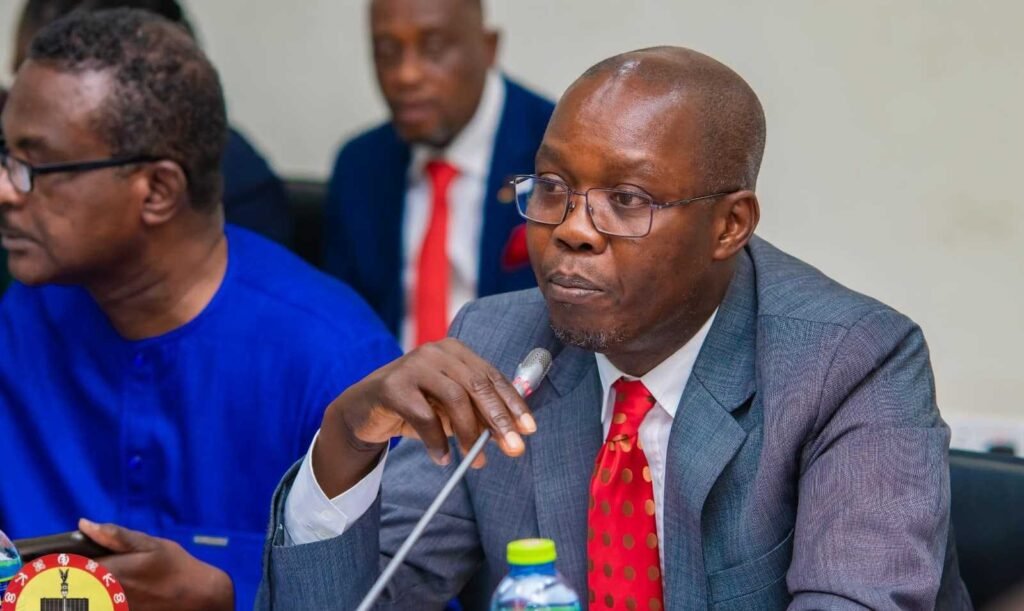
The Public Accounts Committee routinely reviews reports prepared by the Ghana Audit Service and investigates financial irregularities involving state institutions. Through its hearings, the committee may summon officials from ministries, departments and agencies to respond to the issues raised in the report.
The outcome of the committee’s work will inform Parliament’s next steps, which could include recommendations for administrative reforms, sanctions against responsible officials, or referrals for further legal action. The House is expected to consider the committee’s report once it is presented within the stipulated three week period.
READ ALSO: Mahama Administration Declares War on Public Purse Looters