The Fisheries Commission, led by its Deputy Executive Director (Technical), Prof. Berchie Asiedu, has completed a high-level technical audit of critical aquaculture facilities across the nation, signaling a renewed focus on domestic fish production and food security.
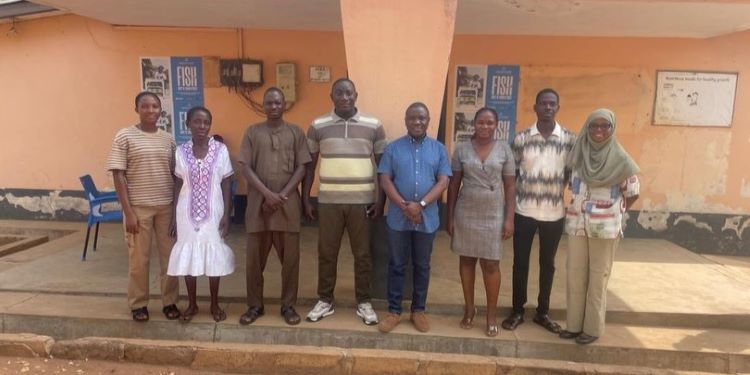
The three-day inspection of the Dormaa Hatchery and Training Centre, the Pilot Aquaculture Centre (PAC), and the Yeji Fisheries Facility, was designed to assess the operational health of these strategic assets, engage with frontline staff, and identify the infrastructural interventions required to align these centers with broader economic goals for the fisheries sub-sector.
“Prof. Berchie interacted with center managers and staff, toured production facilities, and received briefings on ongoing activities. The visit provided an opportunity for management and staff to share ideas on improving fish production, strengthening training programmes for farmers, and enhancing aquaculture development in Ghana”
Fisheries Commission
As Ghana grapples with an annual fish supply gap estimated at nearly 390,000 metric tonnes, the role of state-managed hatcheries and training centers has moved to the forefront of national policy. The visit by Prof. Berchie highlights a strategic pivot toward strengthening the “seed and feed” foundation of the aquaculture value chain.
The Commission aims to provide fish farmers with the high-quality fingerlings and technical training necessary to scale up production and reduce the nation’s heavy reliance on frozen fish imports, by ensuring that facilities like the Dormaa Hatchery are operating at peak capacity.
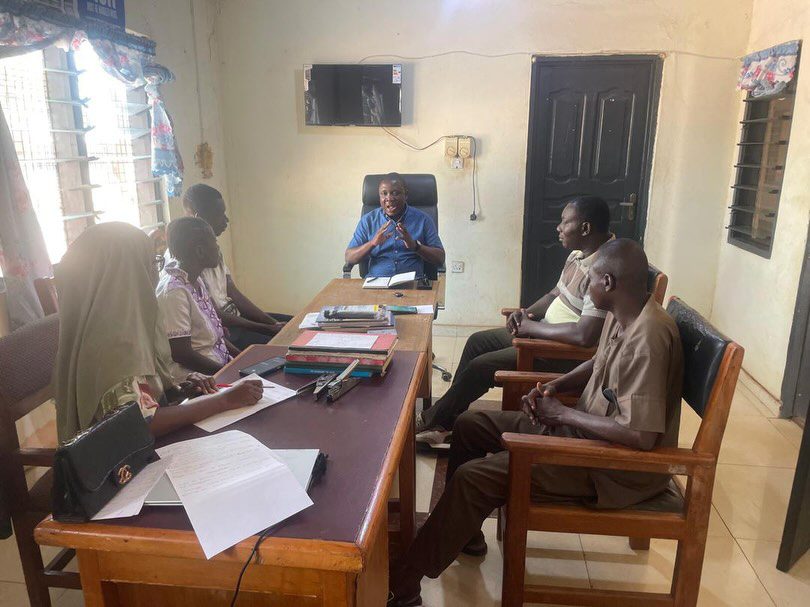
During the tour of the Dormaa and Yeji facilities, the delegation was met with a candid assessment of the operational hurdles facing regional managers. Staff highlighted a range of challenges, including the need for modern laboratory equipment, logistics for extension services, and the rehabilitation of aging pond systems.
These infrastructure deficits have historically acted as a bottleneck, limiting the Commission’s ability to provide real-time support to the growing number of private fish farmers across the country.
For the Fisheries Commission, addressing these gaps is not merely a matter of maintenance but a prerequisite for the successful implementation of the Fisheries and Aquaculture Act, 2025 – a new legal framework that mandates a shift toward science-based management and modern technology adoption.
Prof. Berchie’s assessment of the Pilot Aquaculture Centre (PAC) was particularly focused on its role as a testing ground for innovative farming models. By upgrading these centers into “Centres of Excellence,” the government intends to create a localized knowledge hub where farmers can learn sustainable practices, such as recirculating aquaculture systems (RAS) and improved biosecurity protocols.
Agribusiness Integration
A recurring theme throughout the visit was the integration of aquaculture into the national Agriculture and Industrialization agendas.
The Yeji Fisheries Facility, strategically located near the Volta Lake, represents a critical node for inland fisheries and the Commission is exploring ways to better utilize the lake’s vast potential, which currently remains underused.
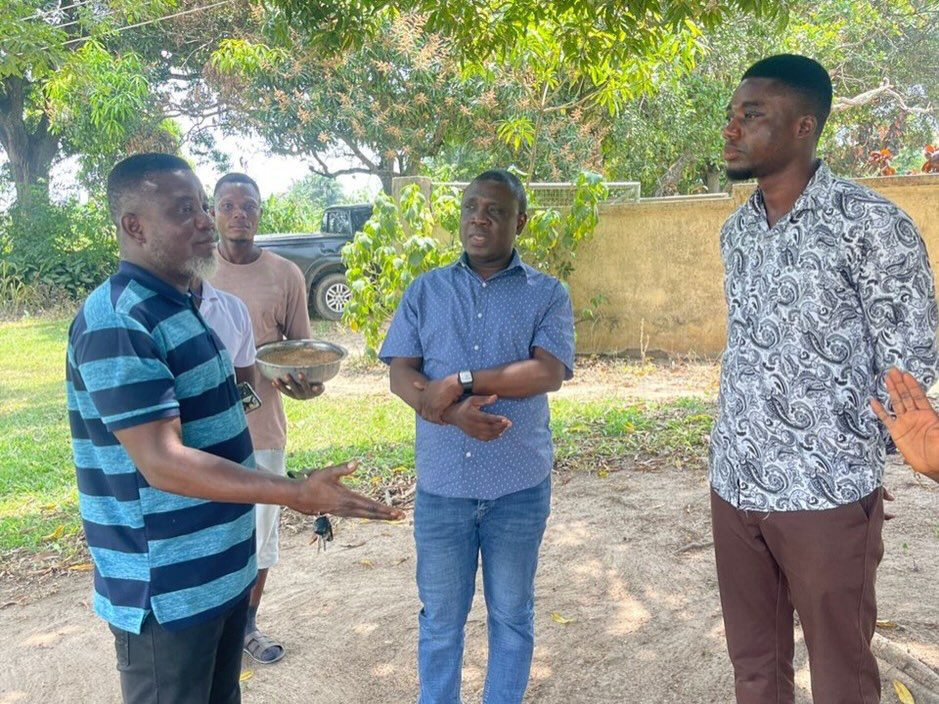
Strengthening the Yeji facility is seen as a way to empower artisanal fishers to transition into cage culture, providing a more stable and profitable livelihood while protecting wild fish stocks from over-exploitation.
The visit also prioritized the “human capital” aspect of aquaculture development. At the Dormaa Training Centre, Prof. Berchie emphasized that the facility must serve as more than just a hatchery; it must be a school for agribusiness, pushing a model where aquaculture is treated as a commercial enterprise rather than a subsistence activity.
However, he noted that this requires robust training programs that cover everything from water quality management to financial literacy for farmers. Enhancing the training delivery at these centers, is the Commission’s way of effectively building a professionalized workforce capable of attracting private investment into the sector.
The Fisheries Commission’s visit aligned with the broader vision of a “24-Hour Economy” in the maritime and inland water sectors. Through improving the operational capacity of hatcheries, the government is ensuring a year-round supply of fingerlings, allowing farmers to maintain continuous production cycles.
Furthermore, the focus on cold-chain development and post-harvest processing – discussed during the Yeji briefing – is essential for reducing the 20 to 30 percent loss currently seen in the industry. These improvements are intended to create a more resilient market where fish can be processed, stored, and distributed at any time, day or night.
As the delegation concluded its tour, Prof. Berchie Asiedu expressed his appreciation for the dedication of the staff working in these remote regional facilities. He noted that their commitment is the backbone of the nation’s food security strategy.
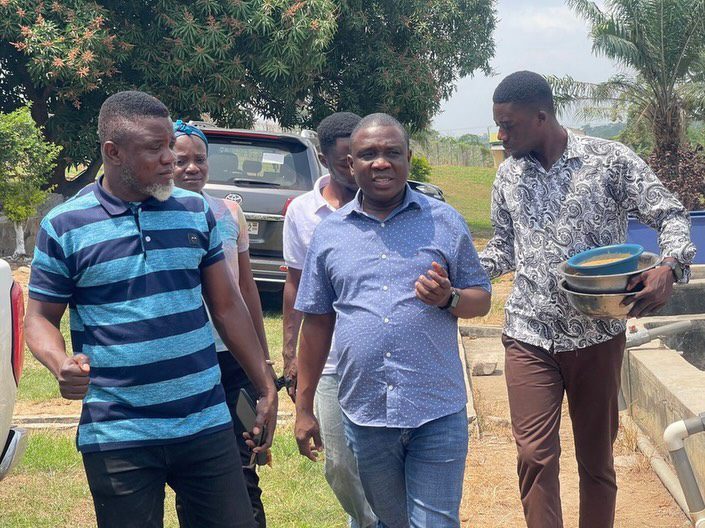
The findings from this three-day audit will now be used to inform the Commission’s 2026-2027 budgetary priorities, with a clear focus on procuring the logistics and equipment necessary to turn these facilities into high-performance hubs.
The message from the Fisheries Commission is clear: the path to a self-sufficient Ghana leads through the modernization of its waters.
READ ALSO: Secondary Bond Market Weakens Despite Investor Demand