
In a massive liquidity injection aimed at stabilizing Ghana’s vital cocoa sector, the Ghana Cocoa Board (COCOBOD) has announced the disbursement of GHS 4.2 billion to Licensed Buying Companies (LBCs).
According to Jerome Sam, the Head of Public Affairs at COCOBOD, this capital release is specifically earmarked to settle outstanding payments owed to cocoa farmers, many of whom have been waiting for their dues since November 2025.
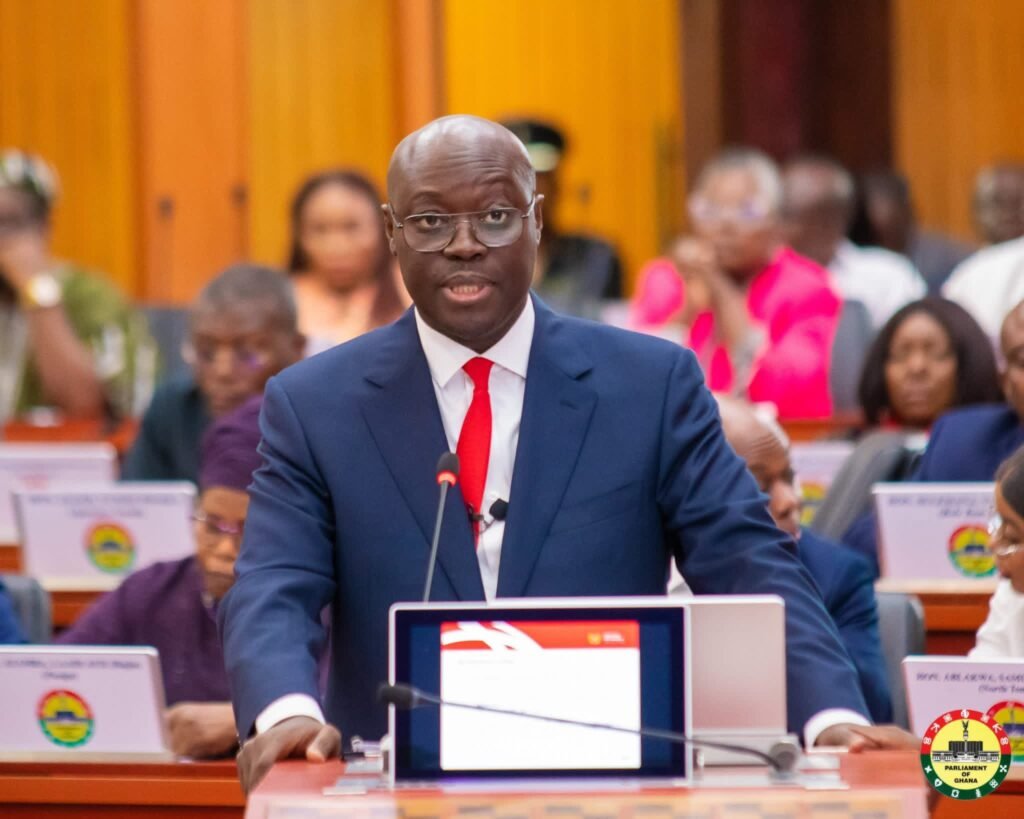
“The disbursement forms part of COCOBOD’s ongoing efforts to clear outstanding debts within the cocoa sector and restore confidence among farmers and other stakeholders. The disbursement is the first major financial milestone following the radical industry reforms announced in February 2026 by the Minister for Finance, Dr. Cassiel Ato Forson”
Jerome Sam, Head of Public Affairs at COCOBOD
These reforms were designed to address the structural bottlenecks that have plagued the sector’s financing model, particularly the delays in the traditional syndicated loan system.
By injecting GHS 4.2 billion directly into the purchasing system, COCOBOD is signaling a shift toward a more agile and responsive financial framework, ensuring that the “liquidity crunch” of previous years does not become a permanent fixture of the industry.



The move represents a critical victory for the government’s effort to secure the cocoa value chain and ensure that the primary producers – the farmers – remain incentivized to sustain production levels ahead of the 2026/2027 season.
Jerome Sam clarified that the funds have already been funneled through the LBCs, who act as the intermediaries between the board and the farmers, noting that the complexity of the payment backlog stems from a period beginning in 2023 when challenges with the international syndicated loan forced a change in how cocoa was purchased.
During that time, several LBCs had to step in with their own capital to “pre-finance” cocoa purchases at the farmgate. The current GHS 4.2 billion release is partly a reimbursement to these companies and partly a direct payment for pending deliveries.
Mr. Sam emphasized that while some farmers have already seen their accounts credited, others are in the process of verification. The board’s objective is to achieve a “Zero Arrears” status before the current 2025/2026 season officially closes between August and September.“We are working tirelessly to ensure that every cedi owed to the LBCs is paid so they can also settle any outstanding debts with their farmers,” he added.
Structural Reforms
The intervention is deeply rooted in the broader economic strategy of the current government. When Dr. Cassiel Ato Forson took over the steering of the country’s financial reforms, the cocoa sector’s debt was identified as a primary threat to macroeconomic stability.
The February reforms introduced a more diversified funding strategy, moving away from a total reliance on external offshore borrowing toward a hybrid model that includes domestic capital markets and increased transparency in the cocoa marketing process.
These reforms were also intended to combat the “side-selling” and smuggling that often occur when farmers are not paid on time. When liquidity is high and payments are prompt, farmers are less likely to seek unofficial channels to sell their beans.

COCOBOD is now effectively protecting the national treasury from the losses associated with the illegal cross-border trade of cocoa by clearing the GHS 4.2 billion backlog. This focus on Industrialization and value chain protection is essential for maintaining Ghana’s status as a top-tier global cocoa producer.
“Our focus is on improving liquidity within the cocoa purchasing system to ensure prompt payments and sustain production,” Mr. Sam said, noting that when farmers are paid on time, they have the capital to invest in labor, fertilizers, and the maintenance of their farms, creating a continuous cycle of economic activity.
Furthermore, this liquidity allows for the protection of Ghana’s food banks, as cocoa farmers often engage in inter-cropping with food staples. A well-funded cocoa farmer is a more productive farmer across the board, contributing to the nation’s overall food security and agribusiness growth.
Mr. Sam revealed that at the headquarters in “Cocoa House,” the mood is one of cautious optimism. The management understands that the release of GHS 4.2 billion is a significant step, but it must be followed by consistent financial discipline.
Looking ahead, COCOBOD’s strategy involves more than just clearing arrears; it is about building a “revolving fund,” that can weather the volatility of global cocoa prices. As the August deadline approaches, the eyes of the nation remain on COCOBOD.
The successful disbursement of this GHS 4.2 billion will be the ultimate test of the reforms. If the board can maintain this pace of payment, it will not only clear the debt but also secure the future of the millions of Ghanaians who depend on the sector.
READ ALSO: StanChart Crowned Cash Management Leader In Ghana