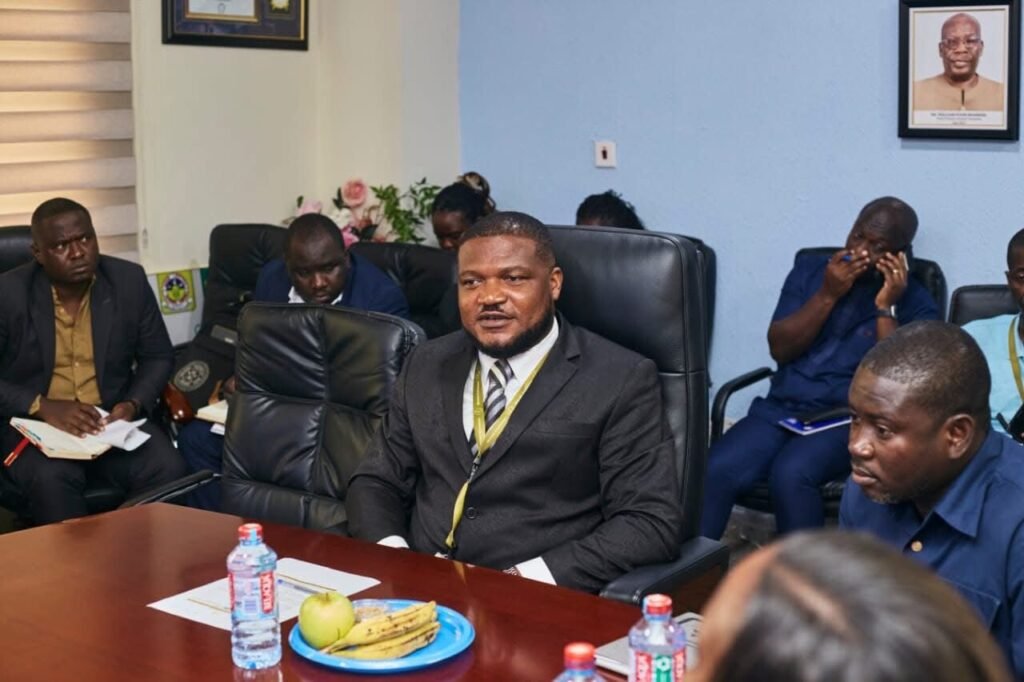
A renowned academician and educationist, Prof. Samuel Lartey, has called for a radical shift in Ghana’s extractive sector, advocating for a collaborative governance model that moves beyond mere licensing and revenue collection toward a shared development strategy.
This appeal centers on the premise that the prosperity of the gold mining industry depends not only on the volume of extraction but on the strength of the partnerships formed between the government, host communities, and mining companies.
By aligning corporate goals with cultural realities and regulatory oversight, Prof. Lartey suggests that gold can be transformed from a simple export commodity into a sustainable platform for national transformation and inclusive economic growth.
“Gold mining in Ghana sits at the intersection of economic opportunity and social responsibility. Prosperity depends not only on extraction, but on collaboration. When government works in partnership with communities and companies, mining can be governed transparently and managed responsibly.”
Prof. Samuel Lartey

The proposed framework emphasizes that the government’s role must evolve to include active engagement with local stakeholders to shape responsible outcomes.
This involves empowering institutional actors like the Minerals Commission (MINCOM) and the Environmental Protection Agency (EPA) to facilitate structured Community Development Agreements (CDAs).
These agreements, when embedded directly into mining leases, create legally recognized commitments for essential infrastructure, health, and education.
Furthermore, by implementing decentralized benefit-sharing mechanisms, a defined portion of mineral royalties can be funneled directly into host districts, ensuring that the wealth generated beneath the soil is visibly reflected in the clinics, schools, and roads built above it.
Strengthening the Social Licence through Customary Inclusion
In the Ghanaian practice, where mineral-bearing lands are typically held under customary tenure, Prof. Lartey argues that cultural legitimacy is as critical as legal licensing. He notes that “engagement must move beyond symbolic meetings toward structured participation” in every stage of a project’s lifecycle, from planning to grievance resolution.
This transition from consultation to co-ownership is vital for reducing operational risks and improving project stability. When traditional authorities, youth groups, and women’s associations are treated as partners rather than passive observers, the frequent friction between mines and their hosts begins to dissipate, replaced by a mutual interest in the project’s success.
A practical manifestation of this partnership is the enforcement of local procurement quotas. Prof. Lartey highlights that if a significant percentage of exploration and operational budgets potentially 30% to 40% is spent within the host economy, it stimulates a powerful cycle of small business growth and income retention.
For instance, in a major exploration project, this could result in tens of millions of dollars circulating directly within local enterprises.
This “shared monitoring” approach extends to environmental performance as well, where community oversight committees work alongside companies to ensure compliance, thereby reducing the likelihood of costly disputes or regulatory sanctions.
Corporate Governance and the War on Galamsey

Responsible mining is anchored in robust corporate governance and disciplined supply chain management.
Prof. Lartey pointed out that operational delays caused by community disputes or compliance failures can cost companies hundreds of thousands of dollars per day in equipment standby fees.
To mitigate these “preventive governance” risks, companies are encouraged to integrate digital procurement systems for better traceability and to invest in training local contractors.
This capacity building ensures that the technical standards and safety protocols of the mining industry permeate the broader domestic economy, creating a legacy of skill that outlasts the life of a single mine.
Furthermore, the academician stressed that a united front is the only effective way to combat the menace of illegal mining, or galamsey.
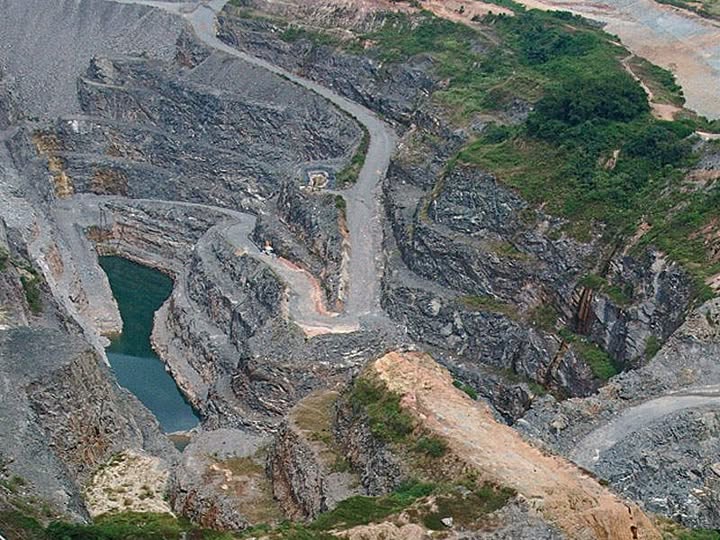
These unauthorized operations have caused “severe environmental degradation,” particularly to vital river systems that provide drinking water and irrigation.
By coordinating enforcement efforts with local chiefs and civil society, the government can strengthen monitoring and deterrence.
Prof. Lartey advocated for joint environmental monitoring teams and the use of reclamation bonds to ensure that land restoration is funded from the outset, protecting public health and the long-term viability of the agricultural sector.
Quantifying the Dividends of a Collaborative Model
The financial and social implications of this collaborative model are cumulative, offering measurable outcomes for every stakeholder involved.
For the government, it translates into stable royalty flows and reduced costs for environmental remediation.
For investors, it builds a “stronger social licence to operate,” which enhances the long-term value of their assets and reduces the threat of disruption.
Meanwhile, the national economy gains through foreign exchange stability and the creation of broader industrial linkages that diversify the country’s wealth beyond raw mineral exports.
Ultimately, the vision shared by Prof. Lartey is one where transparency and shared responsibility act as the catalysts for fiscal predictability.
As production levels rise and global gold prices remain buoyant, the opportunity to formalize these partnerships has never been more pressing.
By fostering a culture of shared oversight and disciplined environmental stewardship, Ghana can ensure that its mineral endowments serve as a bridge to sustainable regional development rather than a source of contention.
READ ALSO: Scotland Marks Three Decades Since the Dunblane Massacre