Scotland has marked three decades since the Dunblane massacre, reflecting on the tragedy that continues to haunt many and remains difficult to comprehend even today.
Scottish Secretary Douglas Alexander described the Dunblane school massacre as a tragedy that “haunts many of us to this day.”
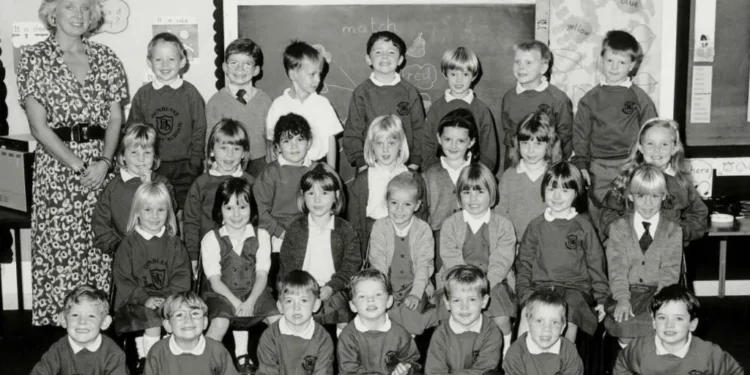
On the morning of 13 March 1996, Thomas Hamilton, a 43-year-old former scout leader, entered Dunblane Primary School armed with several handguns and hundreds of rounds of ammunition.
Hamilton opened fire on a class of young children and their teacher, killing sixteen children aged five and six, as well as their teacher, Gwen Mayor. Several others were injured before Hamilton took his own life.
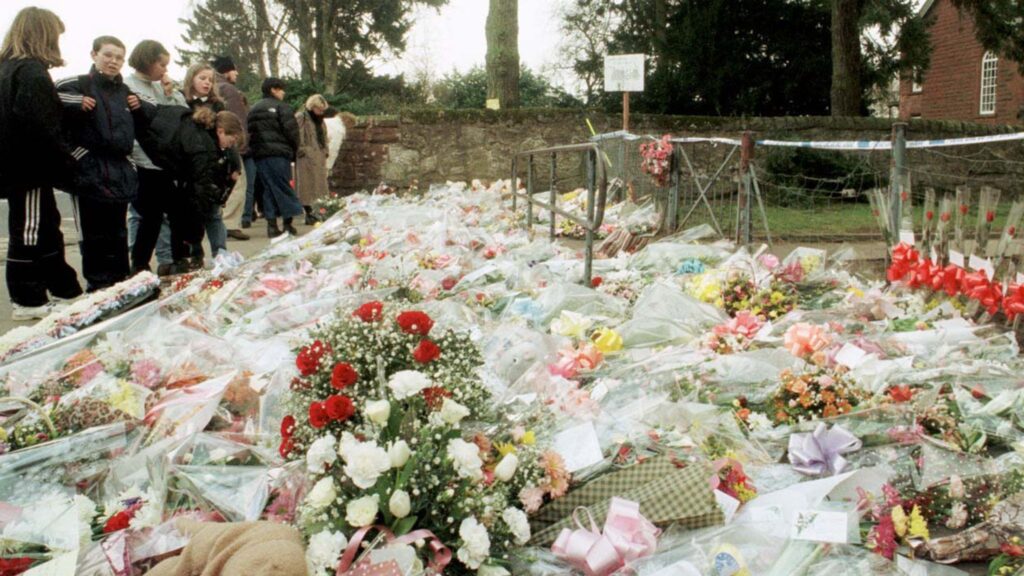
The attack in the school gymnasium shocked both the local community and the entire United Kingdom. Dunblane, with about 7,000 residents, became the center of national grief.
According to reports, Hamilton became an assistant Boy Scout leader at age 20 but soon came under suspicion for his behavior toward boys. Following further complaints, he was required to leave the Boy Scouts, which angered him. He repeatedly requested to return, wrote protest letters to authorities claiming persecution. He then became a gun collector and organized boys club where he taught shooting, gymnastics, and other sports.
On the day of the massacre, as children gathered for physical education, this tragic event occurred. Eileen Harrild, the PE teacher, recounted, “I was aware of the gym door being banged open and a man came in, dressed in combat gear with earmuffs on, and immediately started to shoot.”
“He targeted the adults first, shot me, turned his gun on the two other adults in the gym, then started on the children. The shooting was continuous and rapid and about three or four minutes, there was just silence.”
Eileen Harrild
By the time the emergency services arrived at the scene, the damage was already done. News spread rapidly as parents rushed to the school. Hospitals were placed on high alert, emergency teams assisted victims and families, and flags lowered to pay tributes to the victims, the school and the affected families.
Mr. Alexander said those who remember that day “look back with horror at what happened,” recalling “parents running to the school gate and the horror that emerged.”
The Aftermath of the Dunblane Massacre
In the aftermath, Dunblane residents launched the Snowdrop Campaign named for the spring flower in bloom at the time to advocate for changes in British gun laws.
The government also ordered the Cullen Inquiry, led by Lord Cullen, to investigate how Hamilton legally owned firearms despite warnings and to review the licensing process.
The Cullen Report found serious flaws in the licensing system and concluded Hamilton should have been barred from owning firearms. This led to the passing of the Firearms Amendment Act in February 1997, banning private ownership of handguns above 22 calibre.
Later that year, the ban was extended to nearly all handguns, resulting in some of the strictest firearm regulations in the Western world. After these laws were enacted, gun-related killings in the U.K. dropped significantly.
People in Dunblane have remained committed to remembrance, establishing a memorial garden near the school to honor those lost.
Now, thirty years after the Dunblane massacre, the sister of one of the young victims describes her enduring grief as “a wound that’s there forever.”
Parent of one of the victims also described the situation when they got to the school gates, indicating that, “there was just panic and crowd of people” as the gravity of the tragedy began to emerge.“Nobody knew for a while anything at all,” the parent stressed.
Mr. Alexander also noted that those who remember the horror of that day share the commitment of parents and Scottish society to ensure effective gun control policies.
“I look back with a sense of deep admiration for the campaigning work of the affected parents, a deep sense of sorrow, both for the children who were lost, the teacher who was lost, and the parents who suffered an unimaginable loss on that day, I also feel a shared determination to honour their memory by continuing to uphold those tight gun laws which have been so critical to Scotland’s safety in the last 30 years.”
Douglas Alexander
13 March 1996 is therefore remembered as a day of unimaginable loss and also as a catalyst for change.
READ ALSO: Starmer Faces Backlash Over Mandelson Appointment